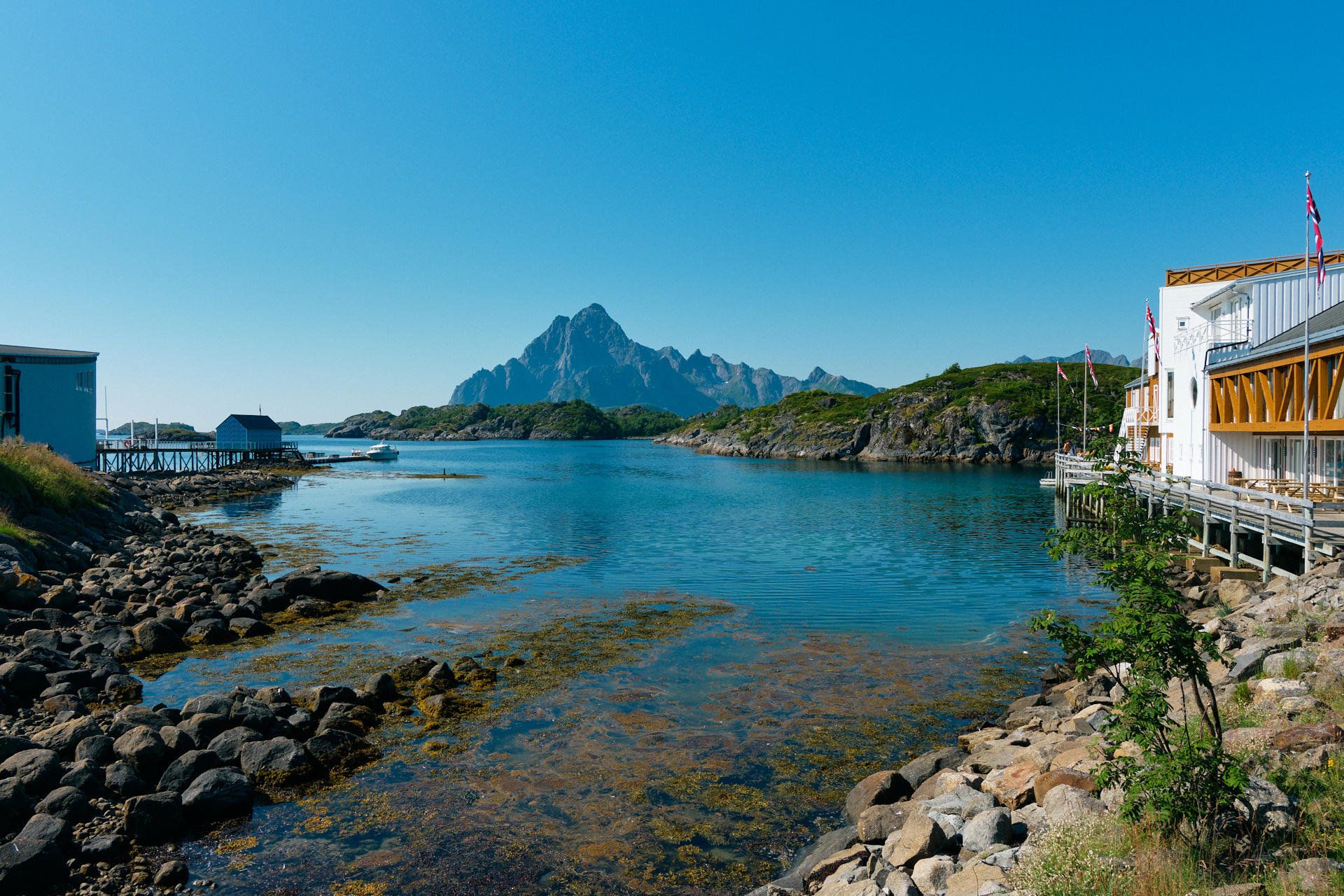
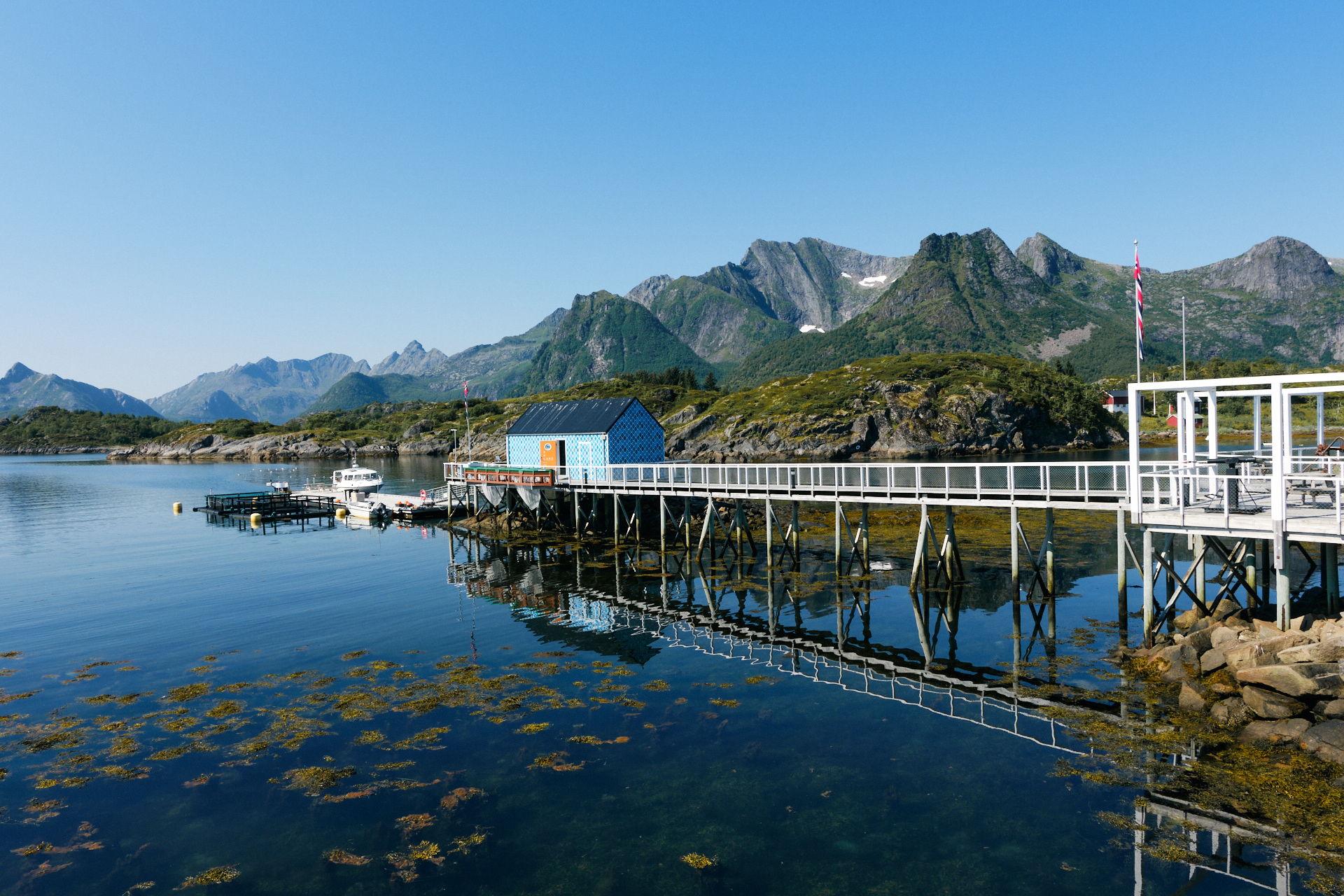
Norway is often cited as the country with the largest number of fjords in the world. Anyone who decided to visit them all would probably have enough to do for the rest of their life – and even then, it might not be enough. The combination of beautiful rugged landscapes, clean air, and a relatively mild climate creates ideal conditions for hiking, camping, and various outdoor sports. It is no wonder that millions of visitors from all over the world come here every year to experience this natural scenery for themselves.
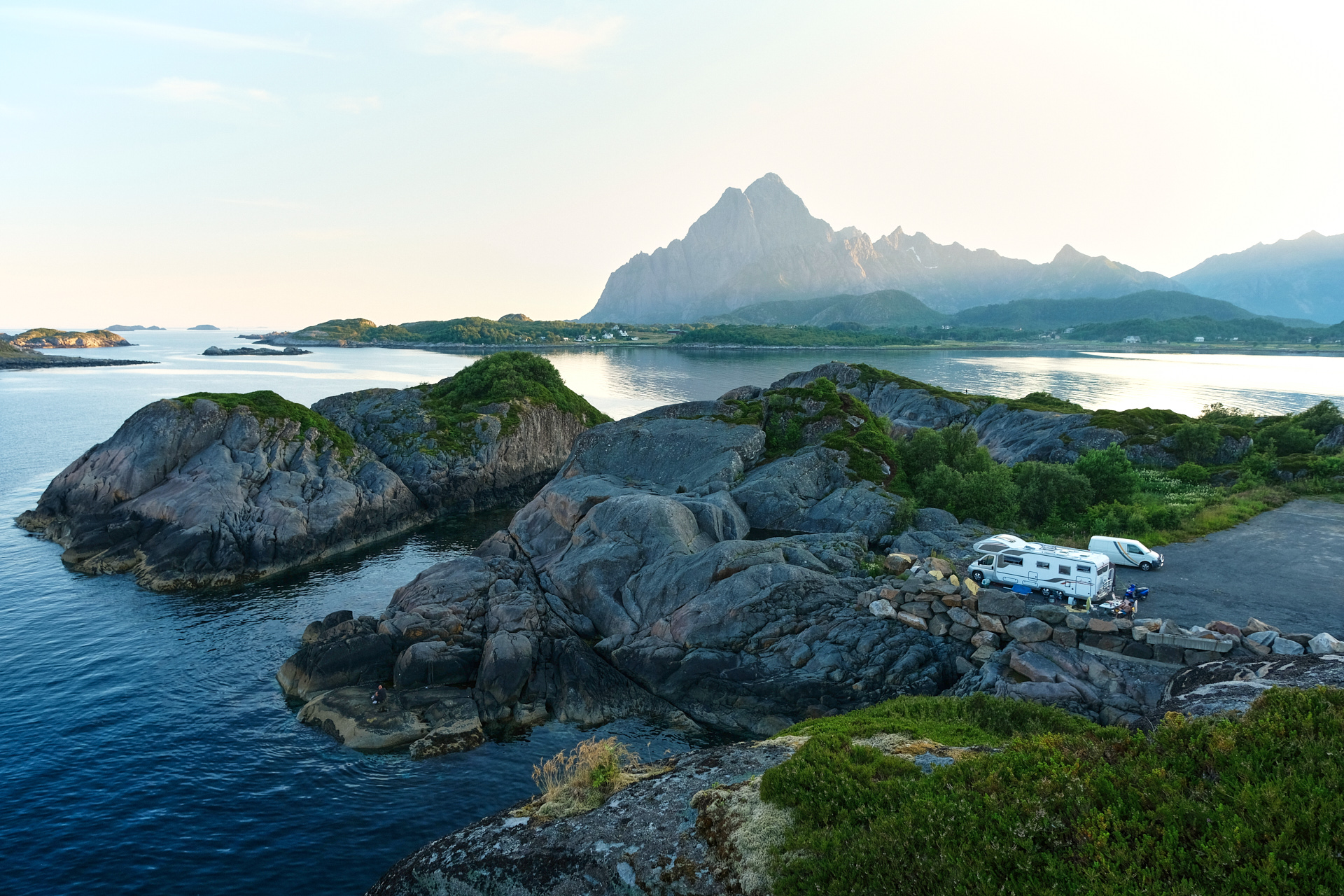
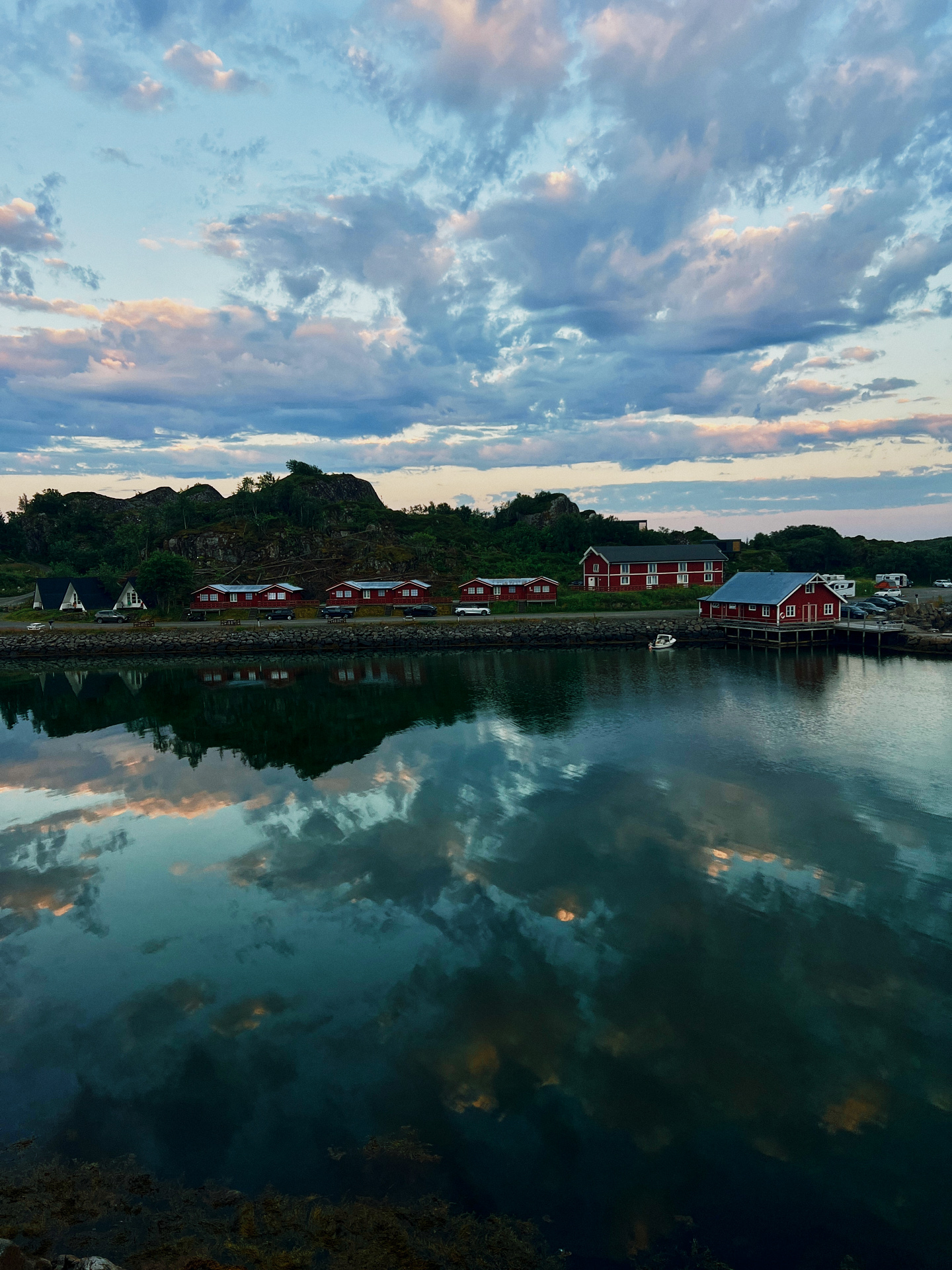
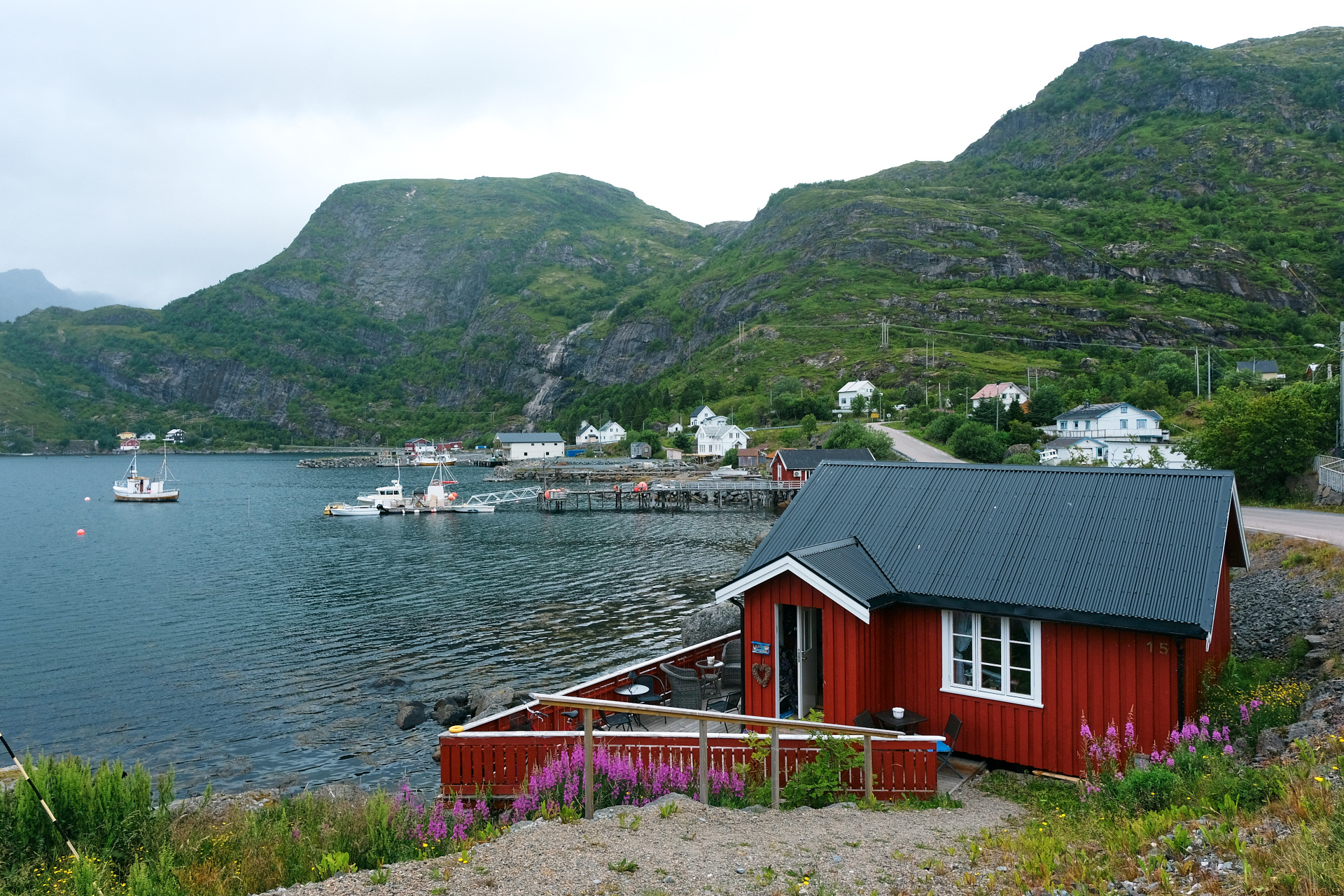
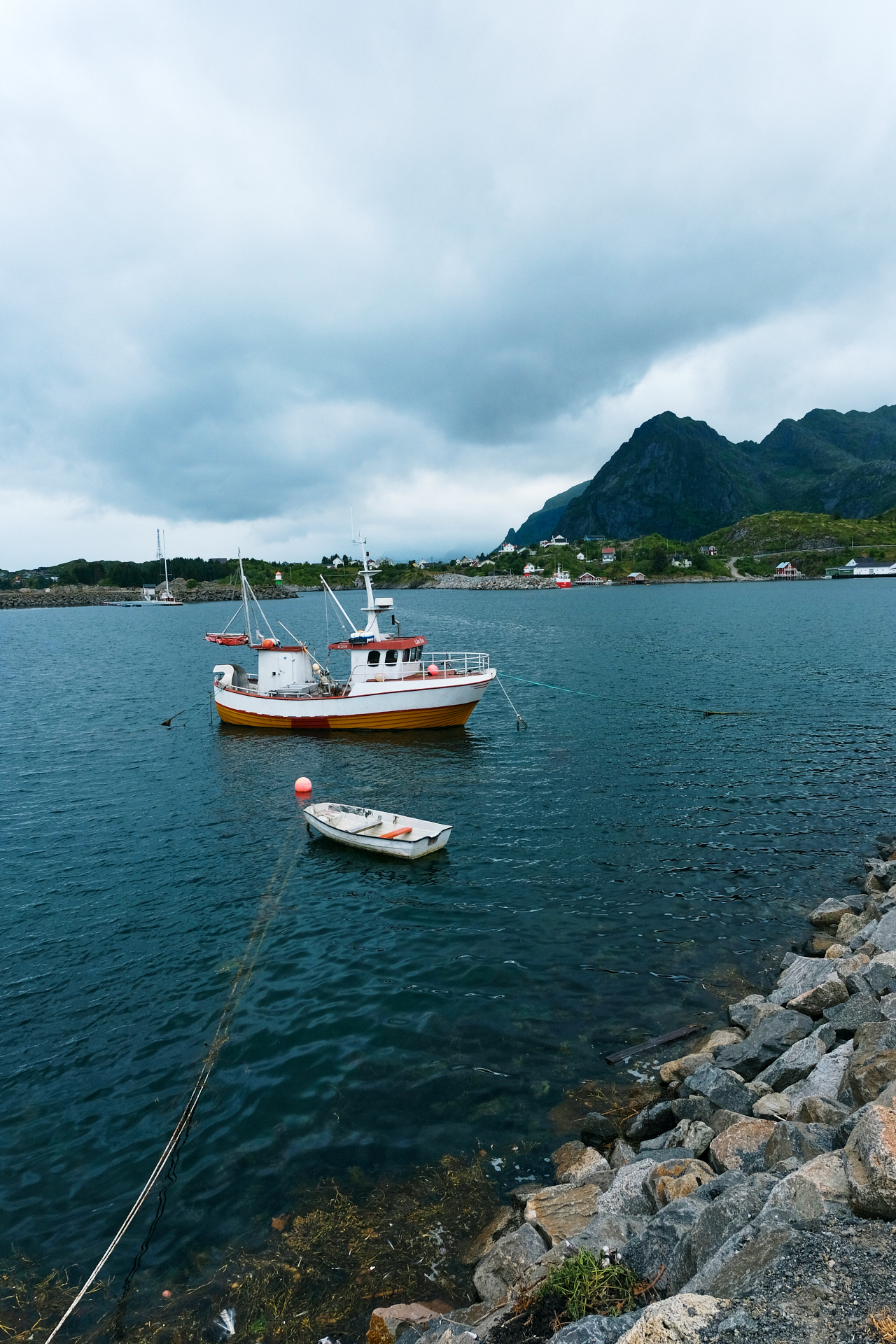
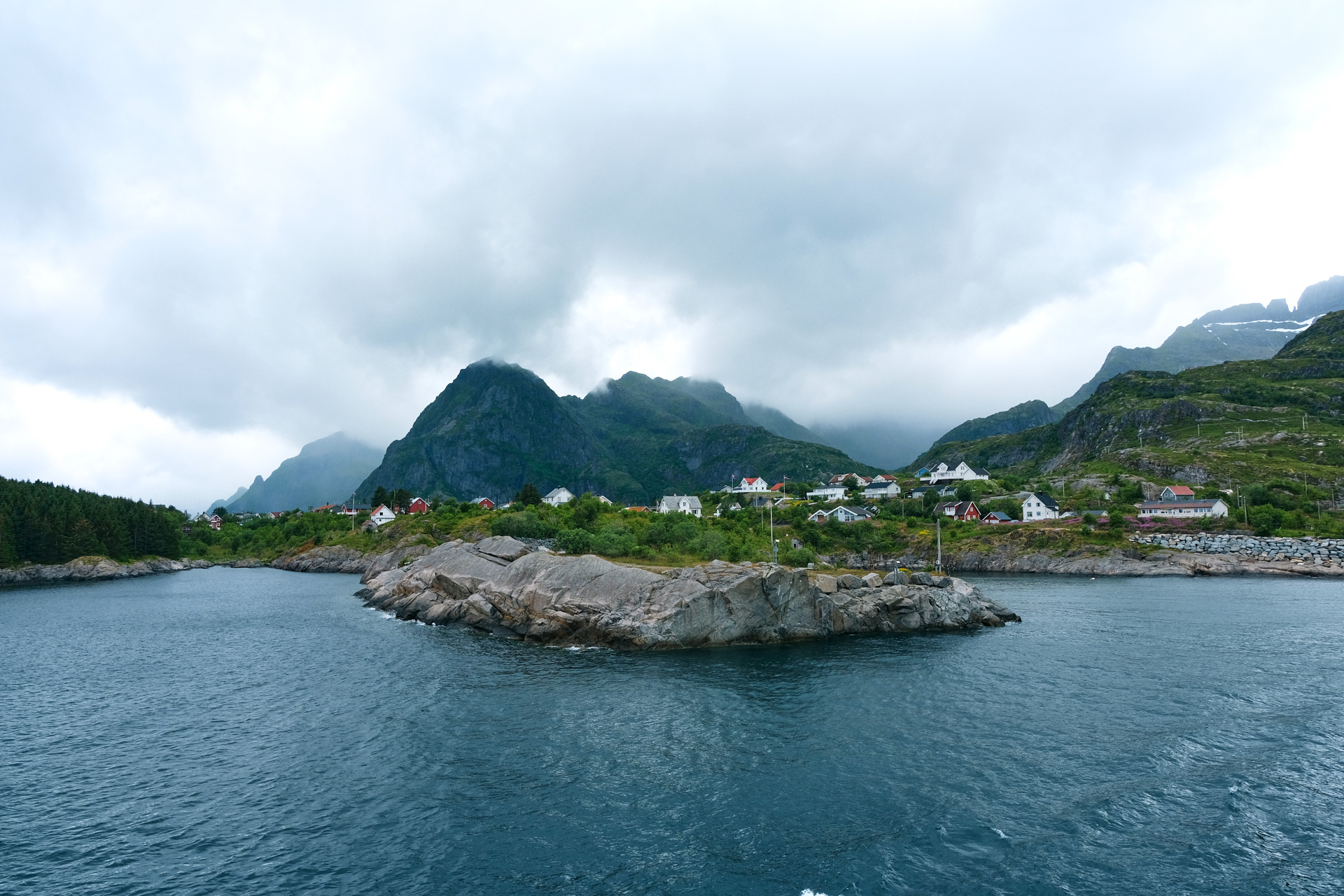
One of the best known and most famous areas of Norway is undoubtedly Lofoten – a picturesque archipelago in the north of the country. It is a place that is easy to fall in love with, and from where I brought back a wealth of experiences and pictures that remind me of the atmosphere there.
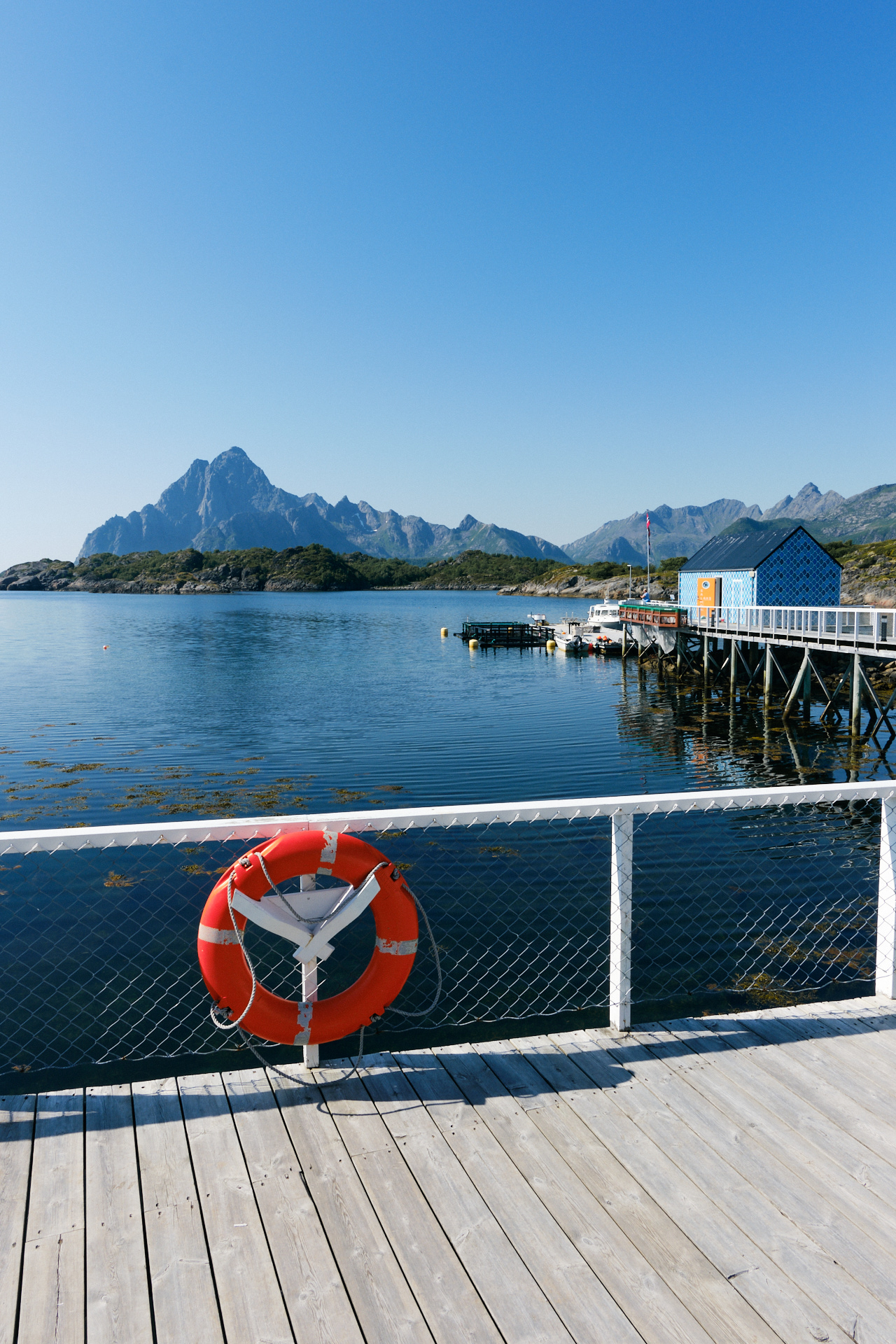
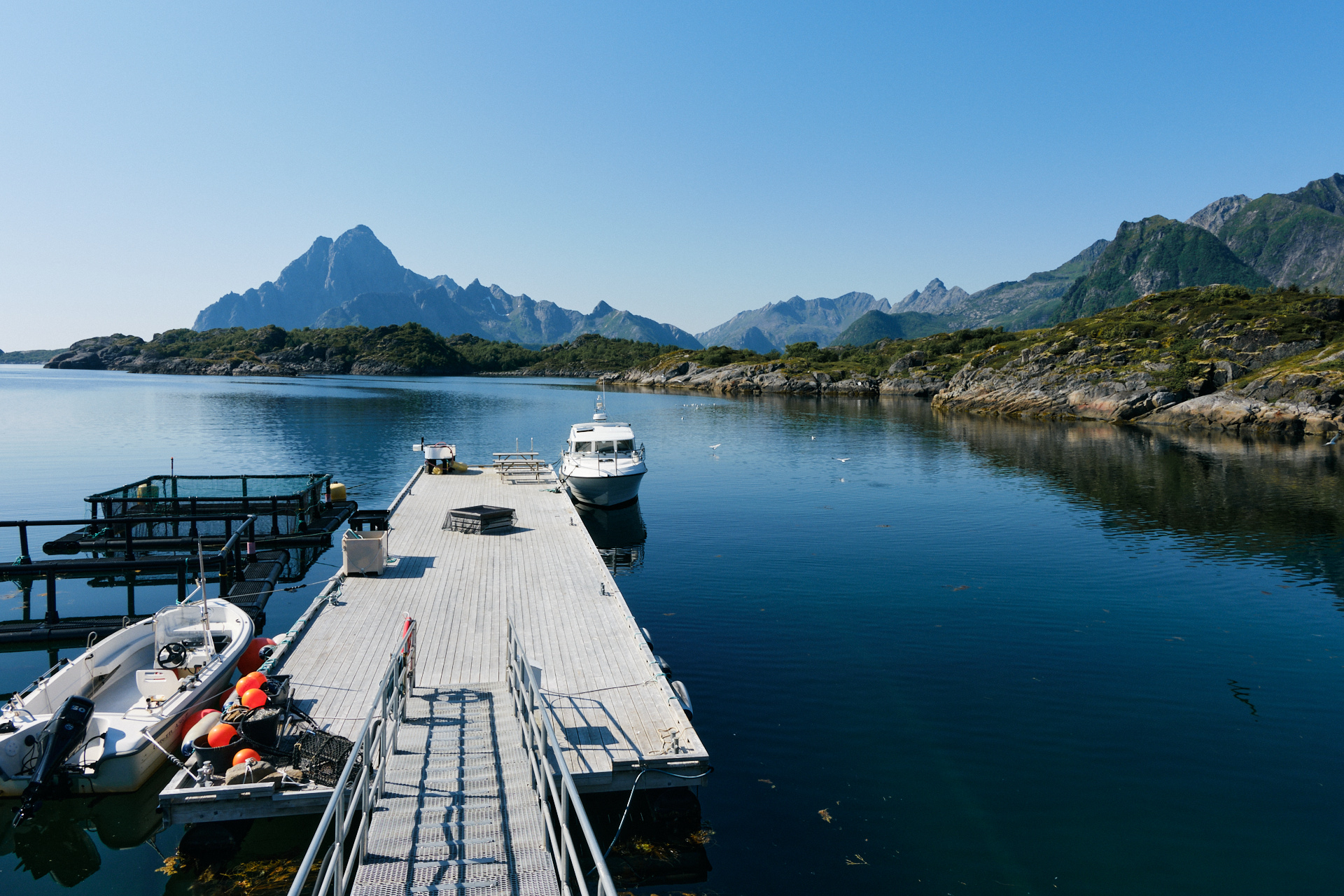
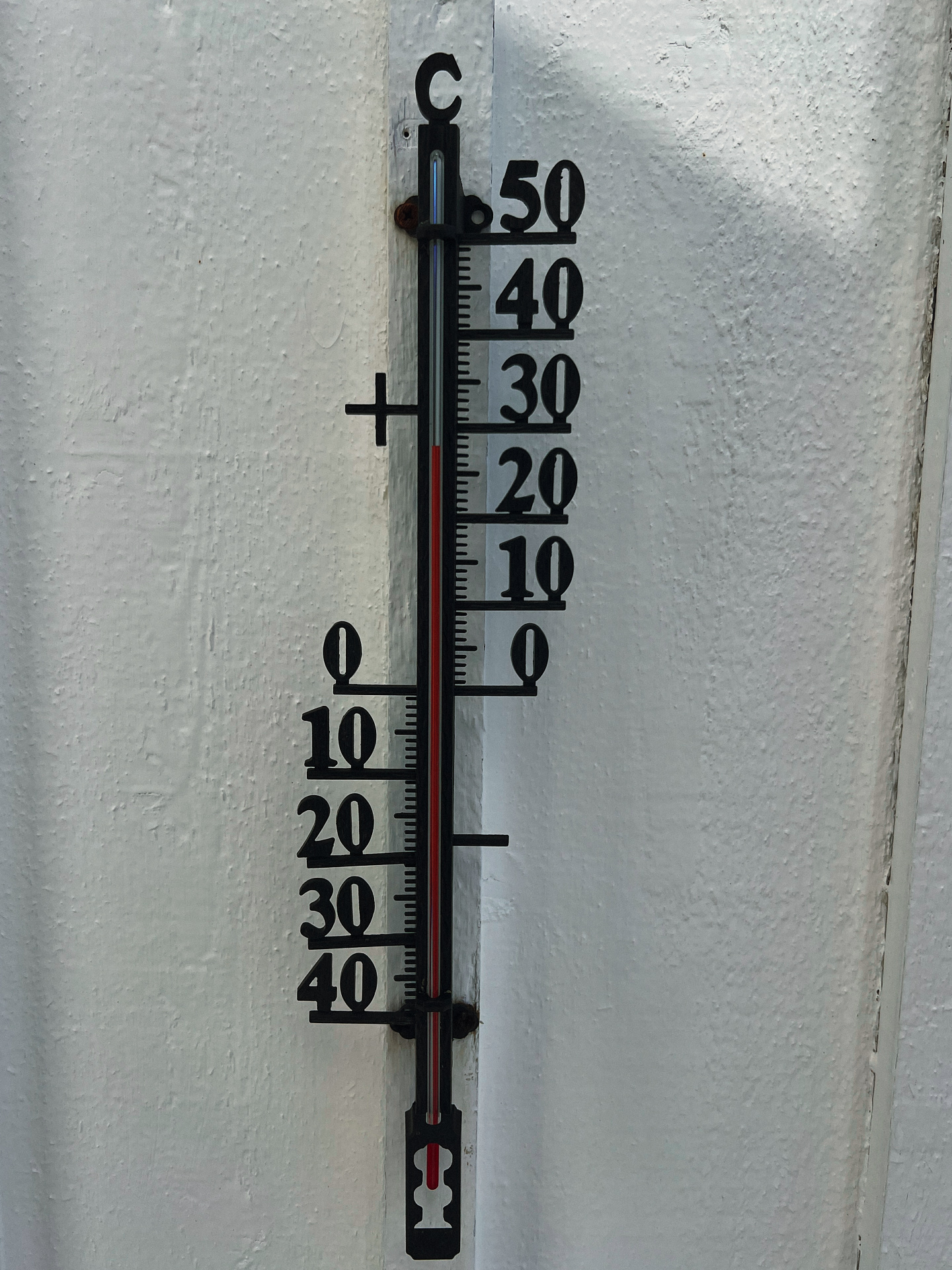
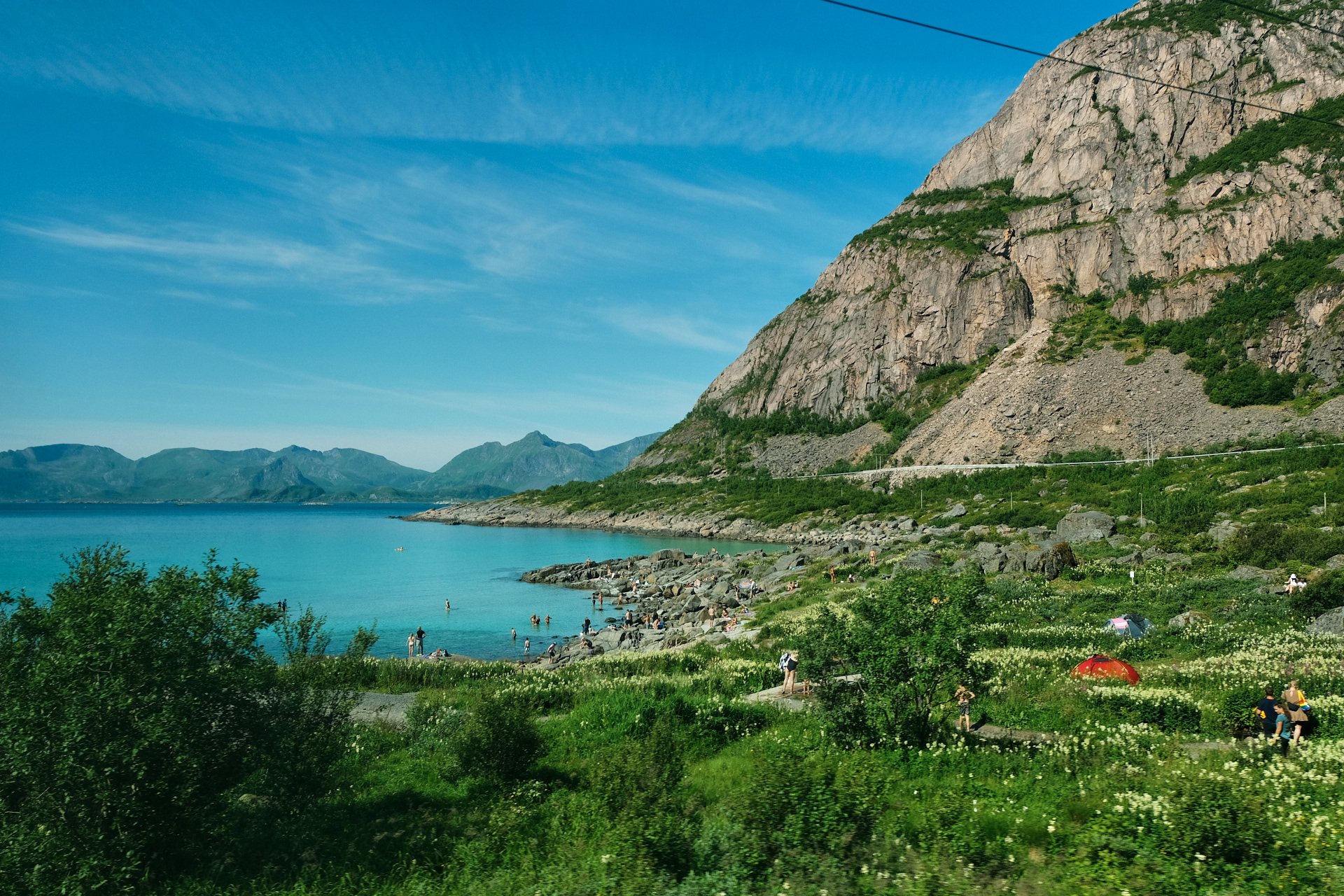
We arrived from the north after a long journey from Tromsø. There wasn't a cloud in the sky almost all week, it was incredibly hot for Norway, and thanks to the all-day sunshine, we enjoyed perfect weather for mountain hiking throughout the day. Sometimes we even went swimming and sunbathing, which was something we hadn't expected at all. In the end, I took my jacket back with me, which I didn't even take out of my backpack.
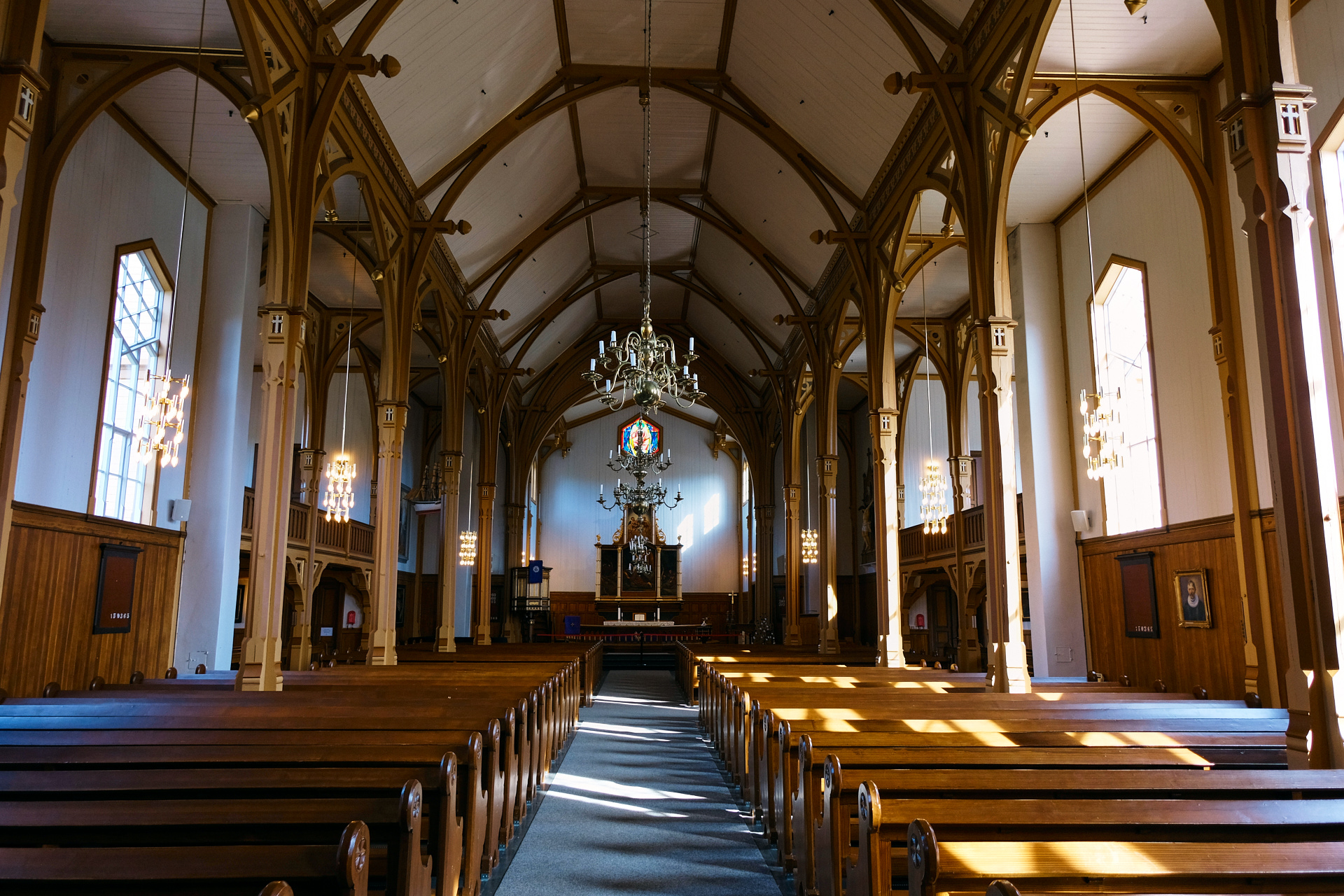
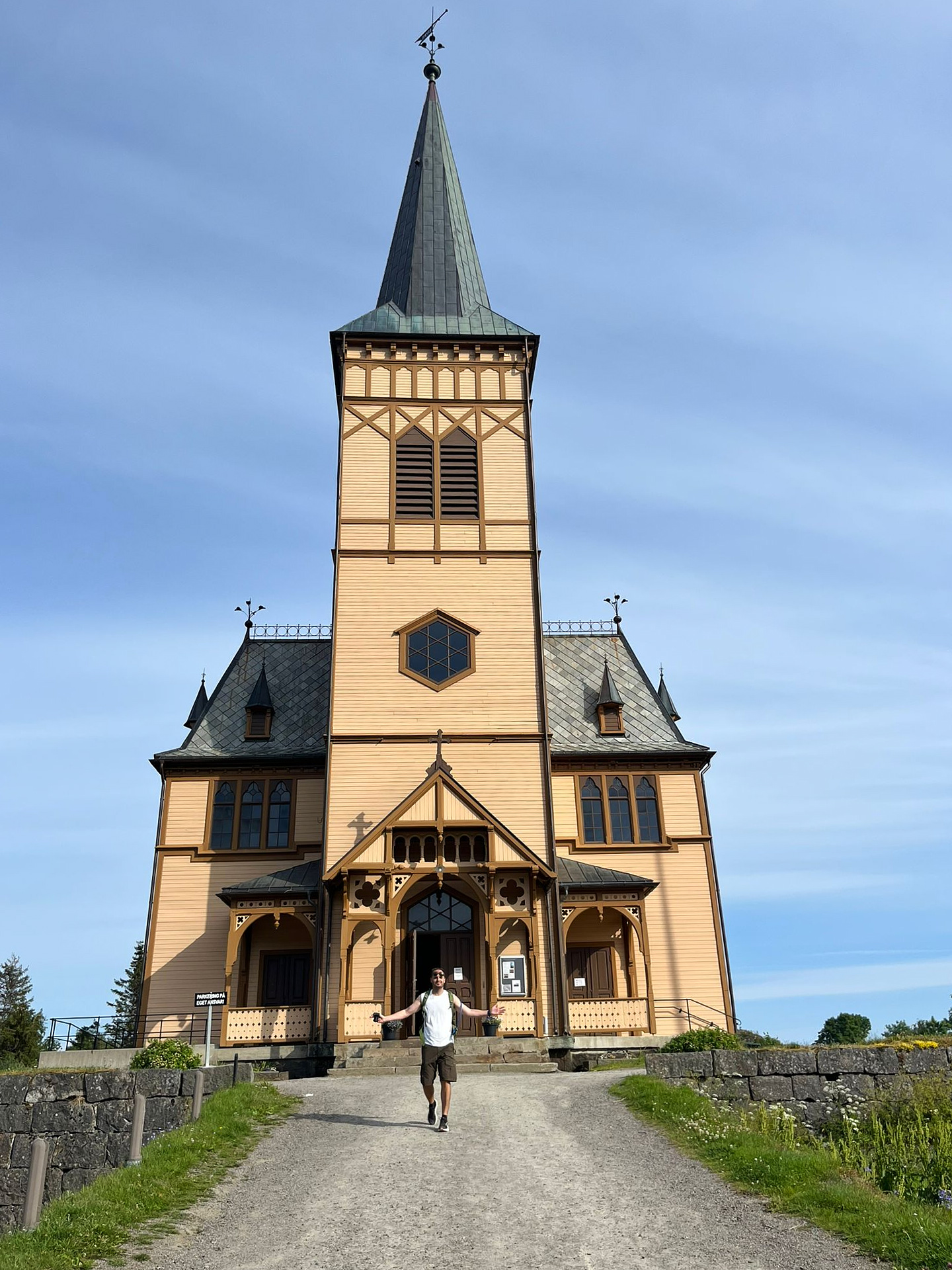
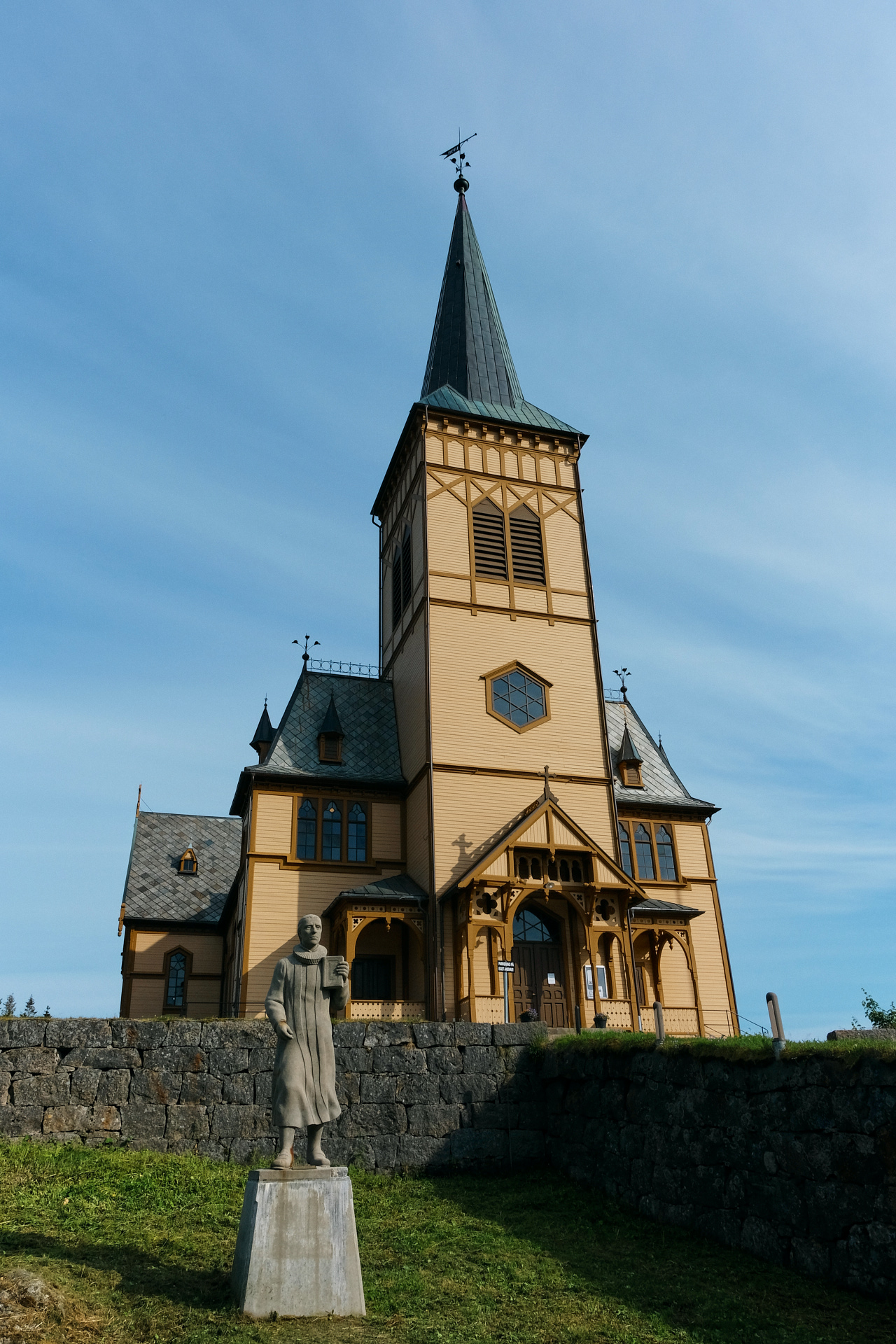
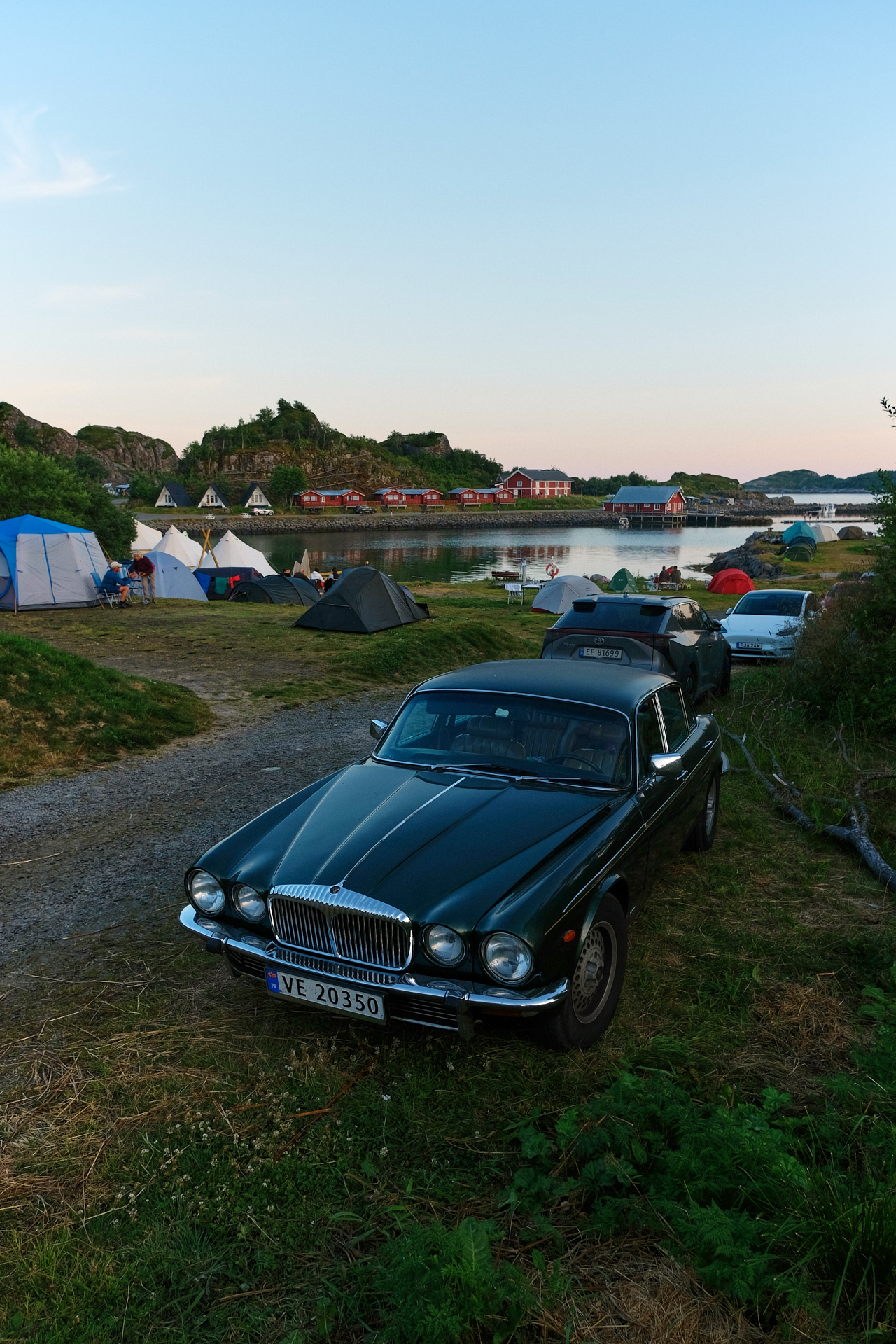
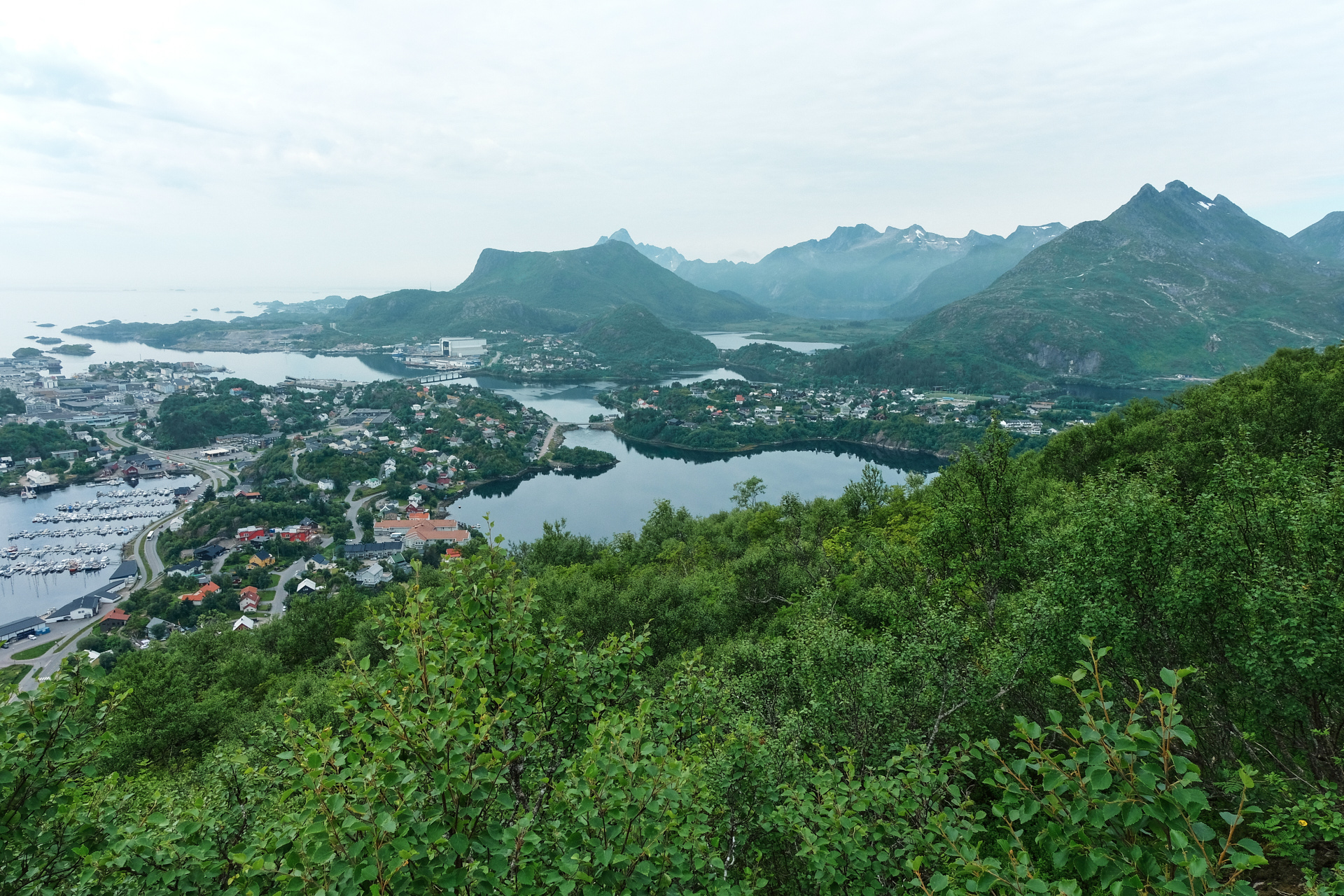
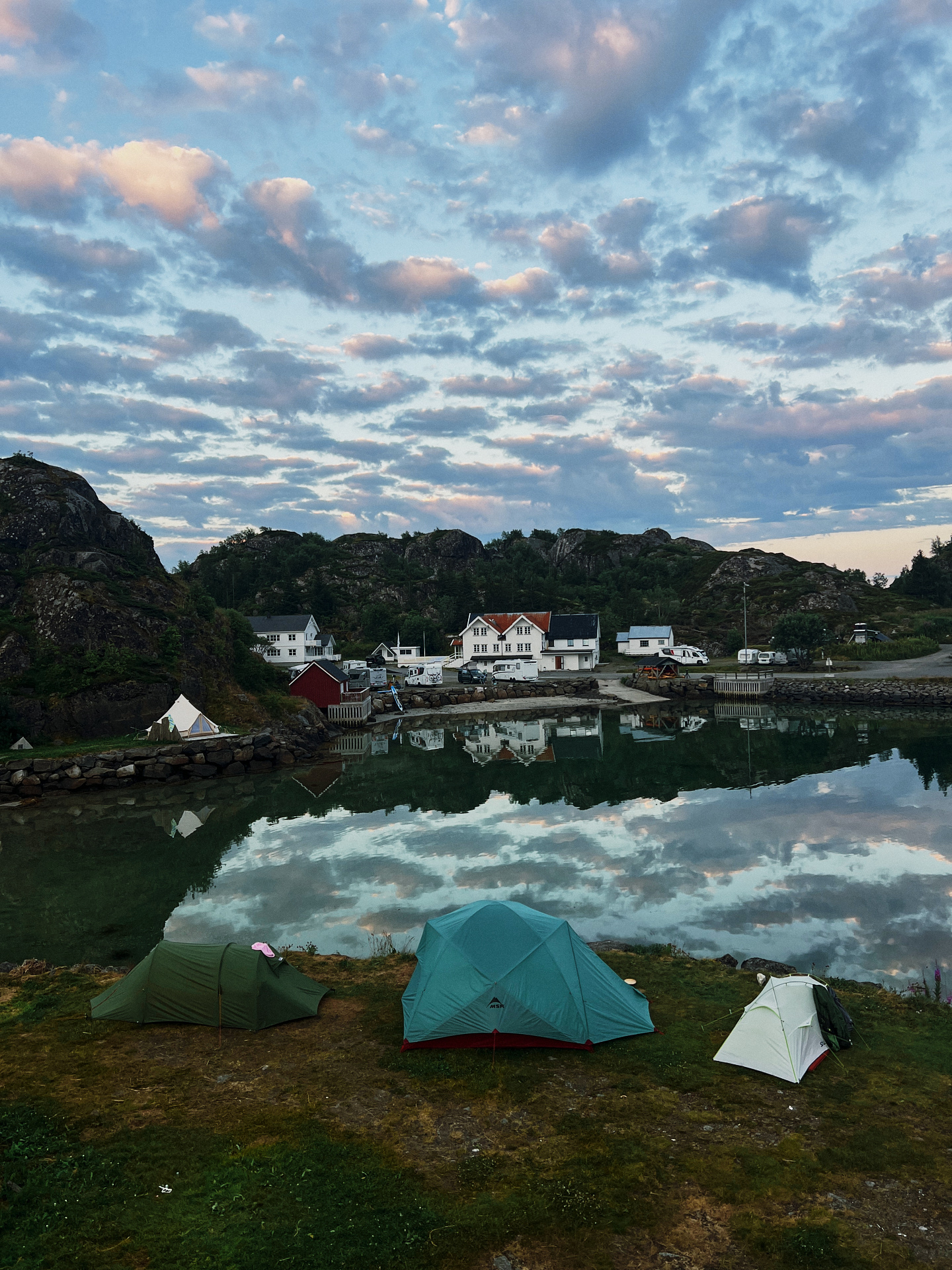
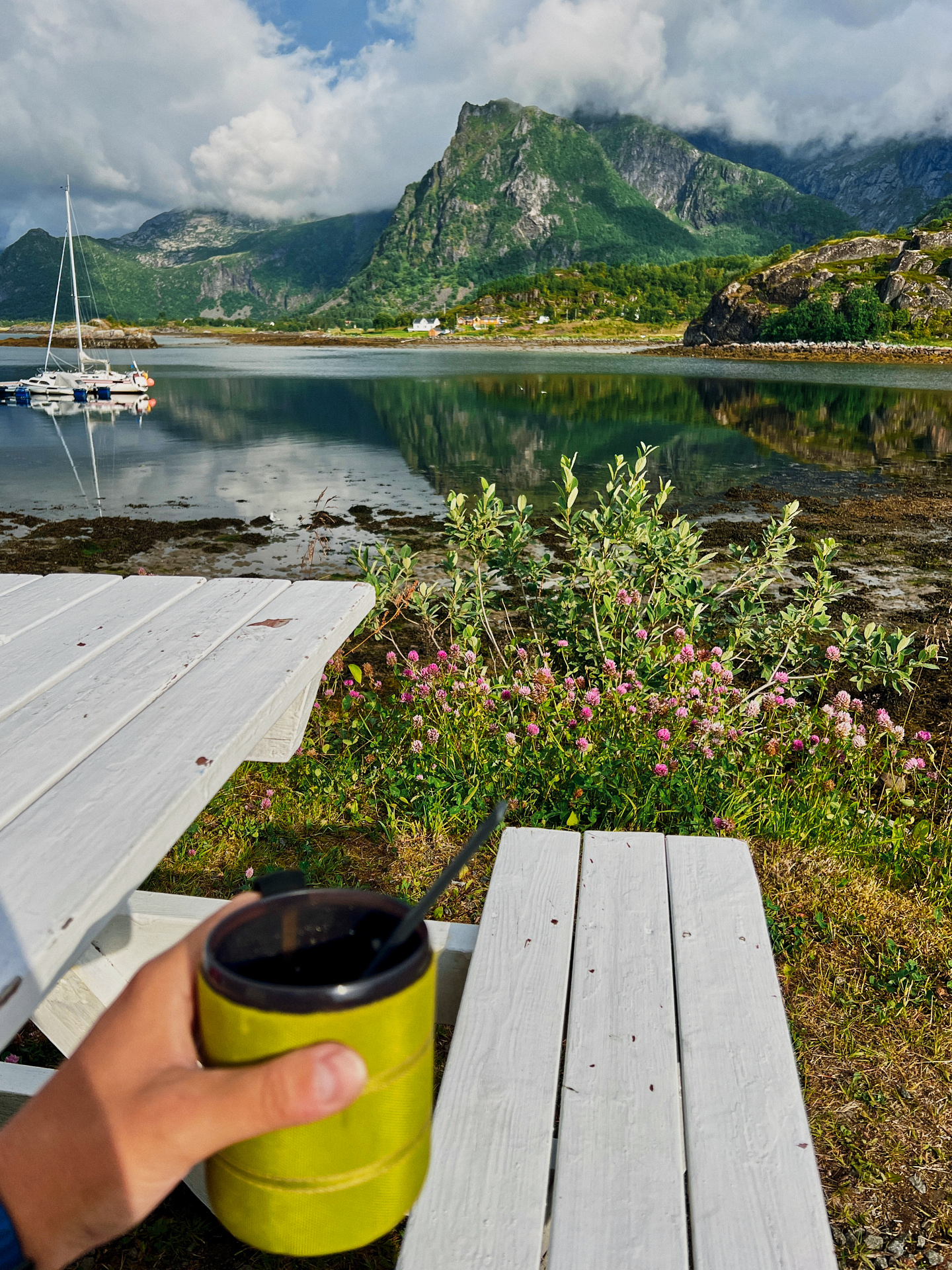
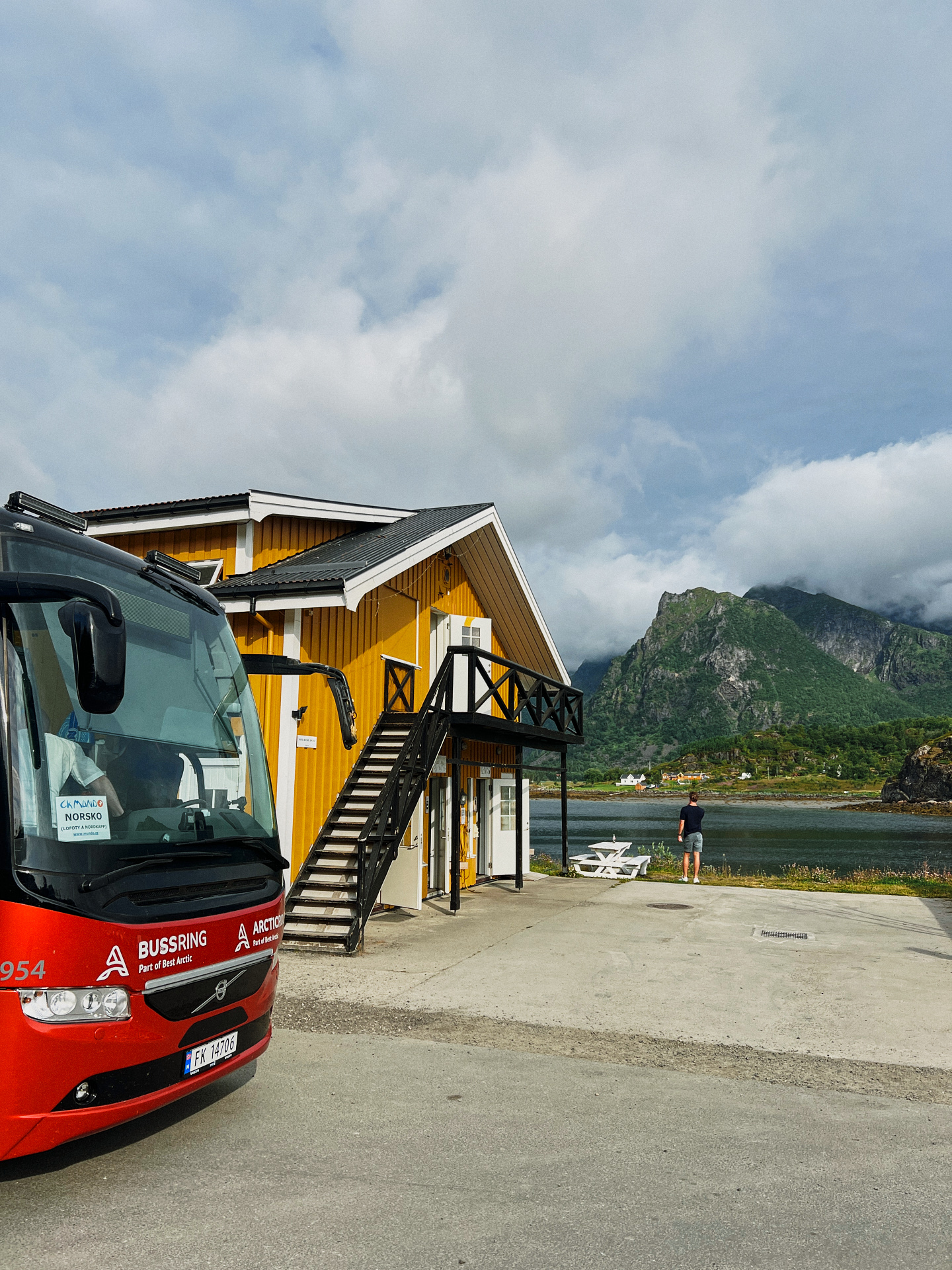
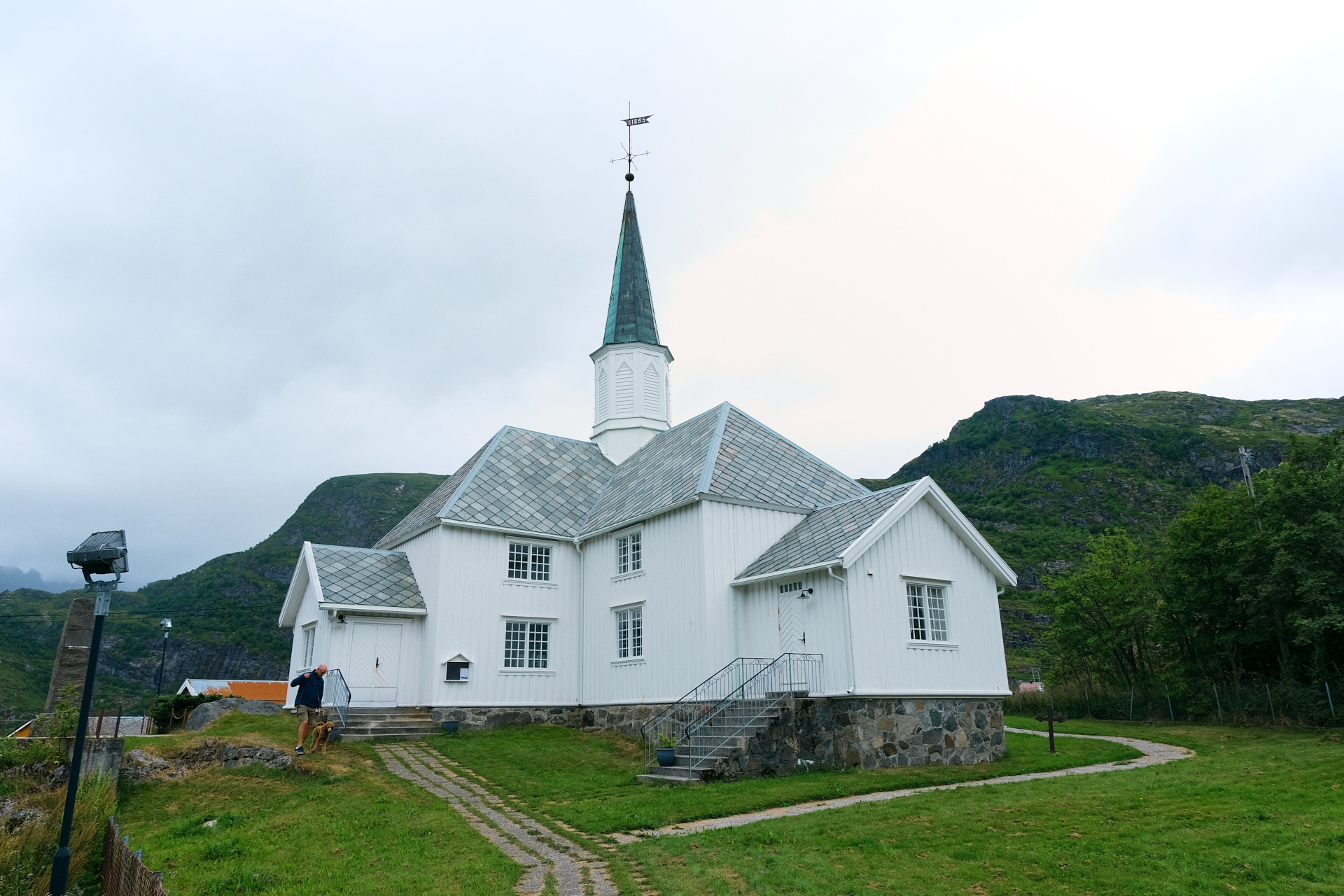
We made several short stops between Tromsø and Lofoten itself, but the first significant one in Lofoten was Kabelvåg. It is a small, quiet village, near which we anchored at a campsite for a few days. Historically, it is one of the most important places in the entire Lofoten Islands – Kabelvåg has been one of their main settlements since the Viking era. The dominant feature of the area is the Lofoten Cathedral, an impressive wooden structure.
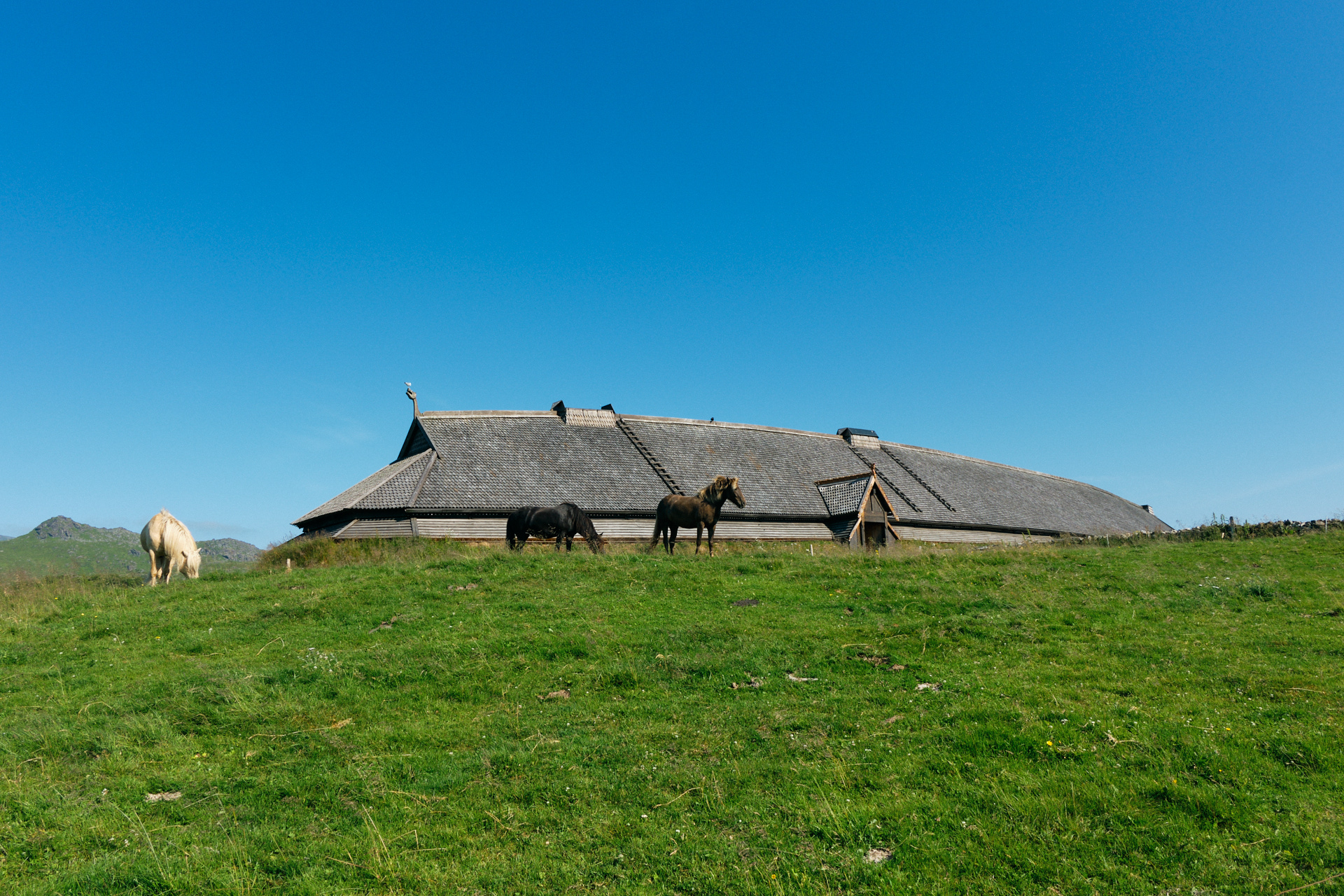
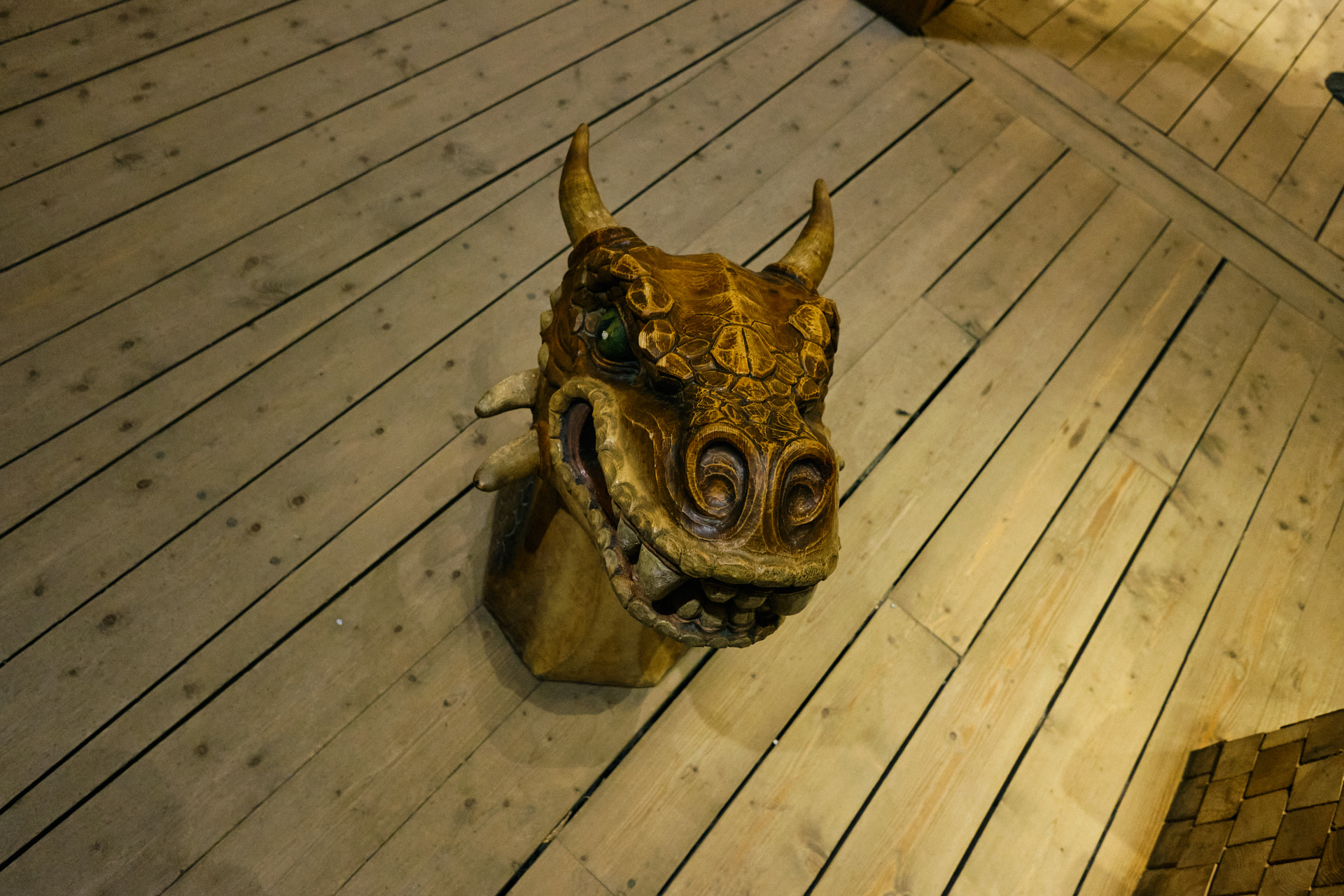
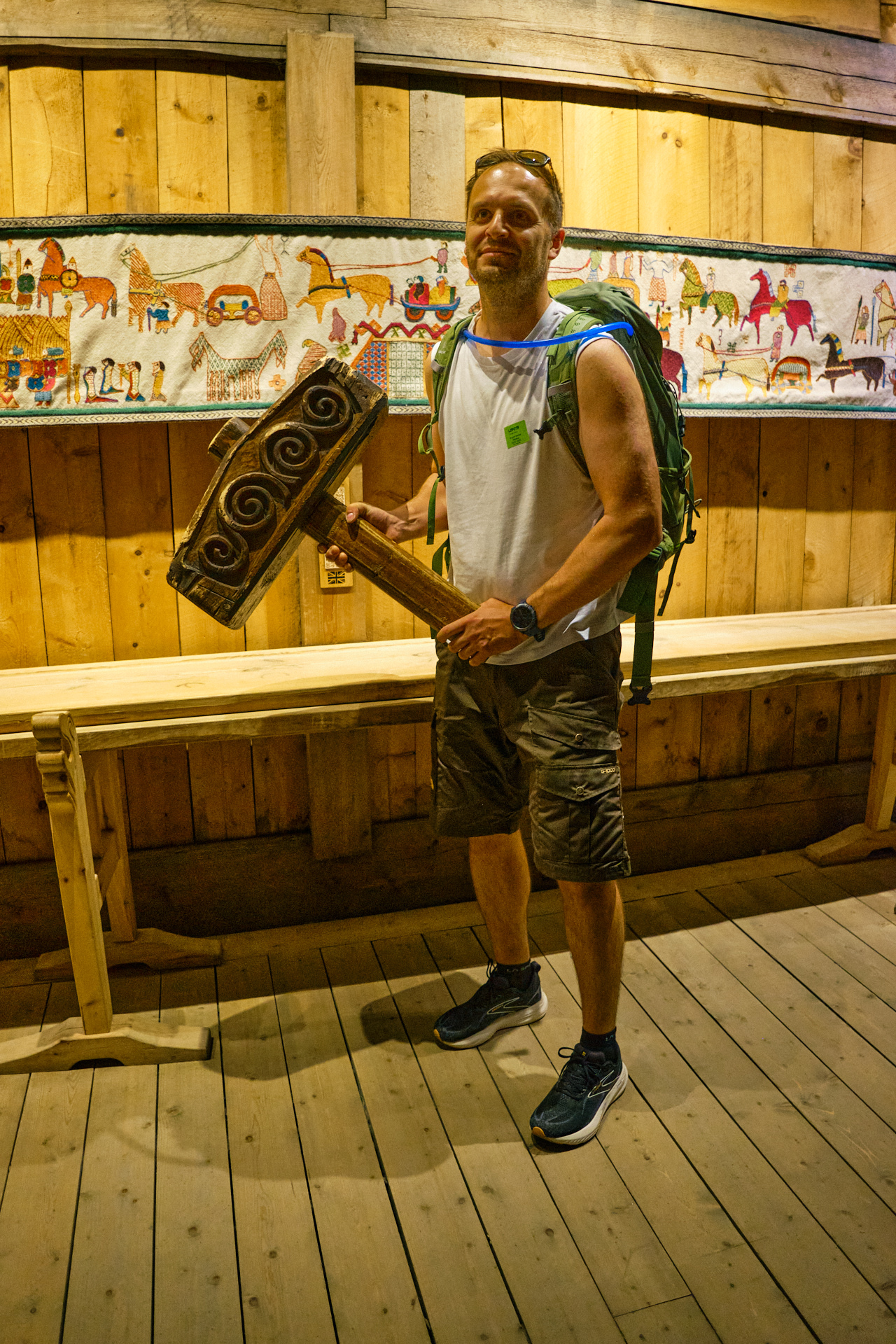
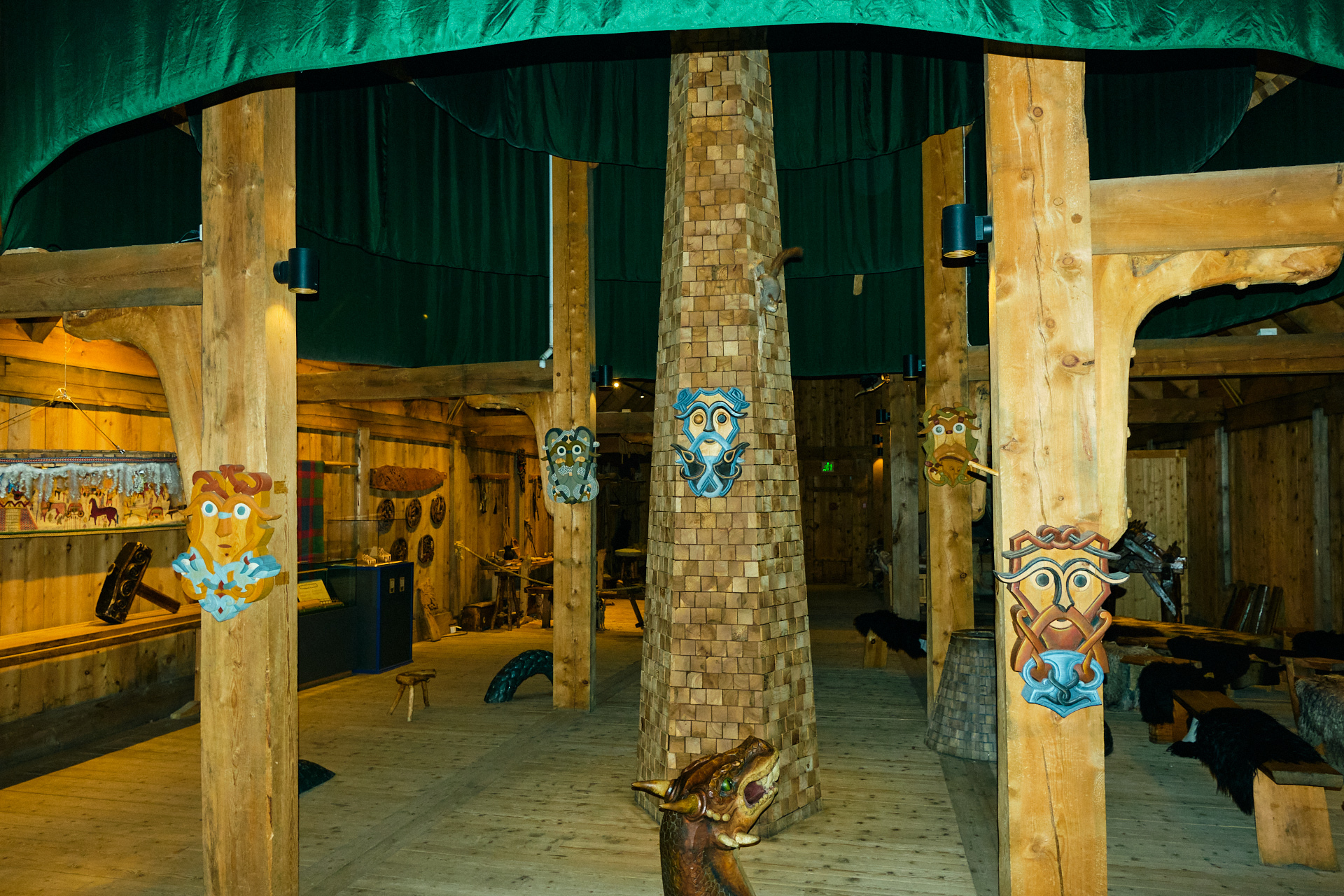
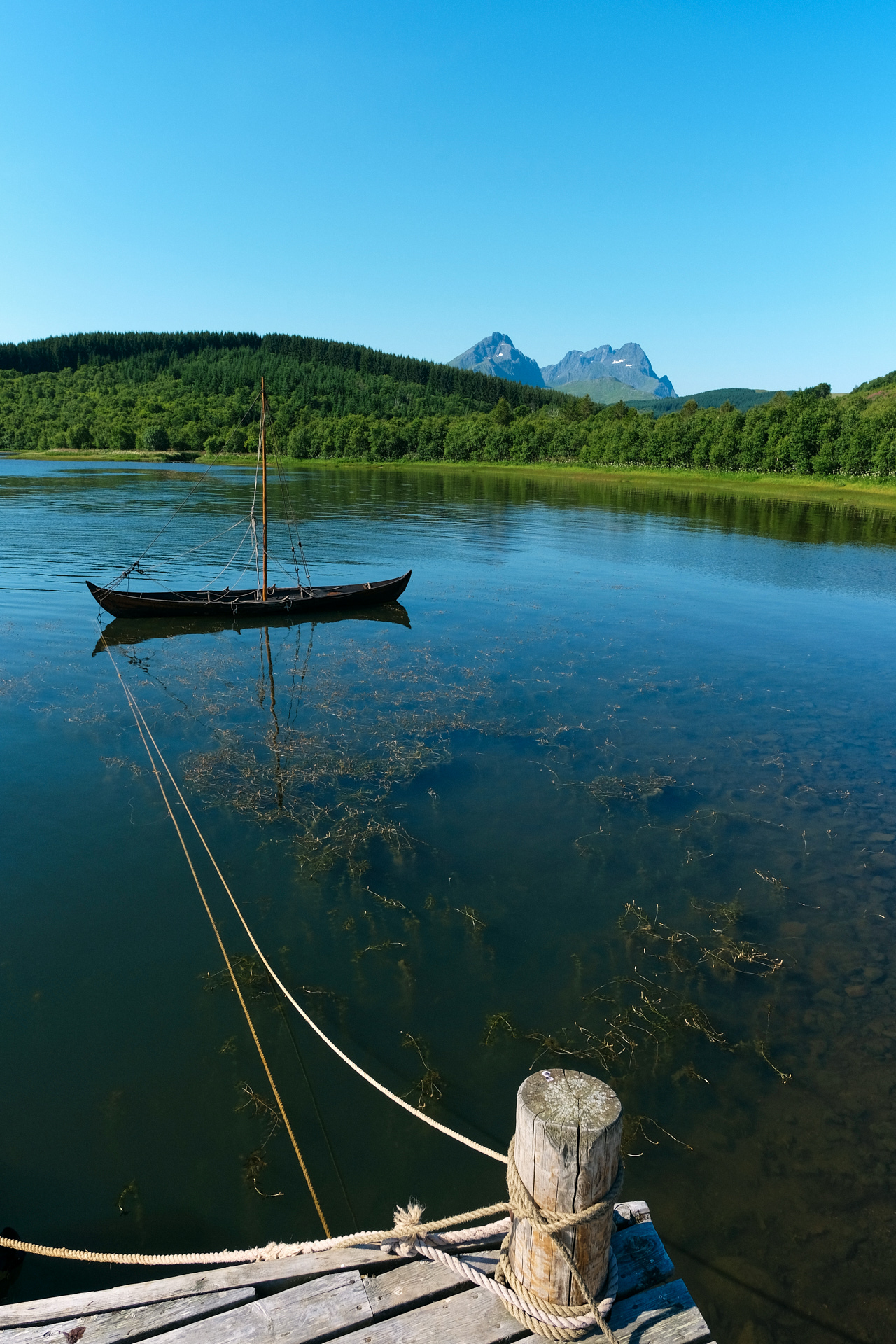
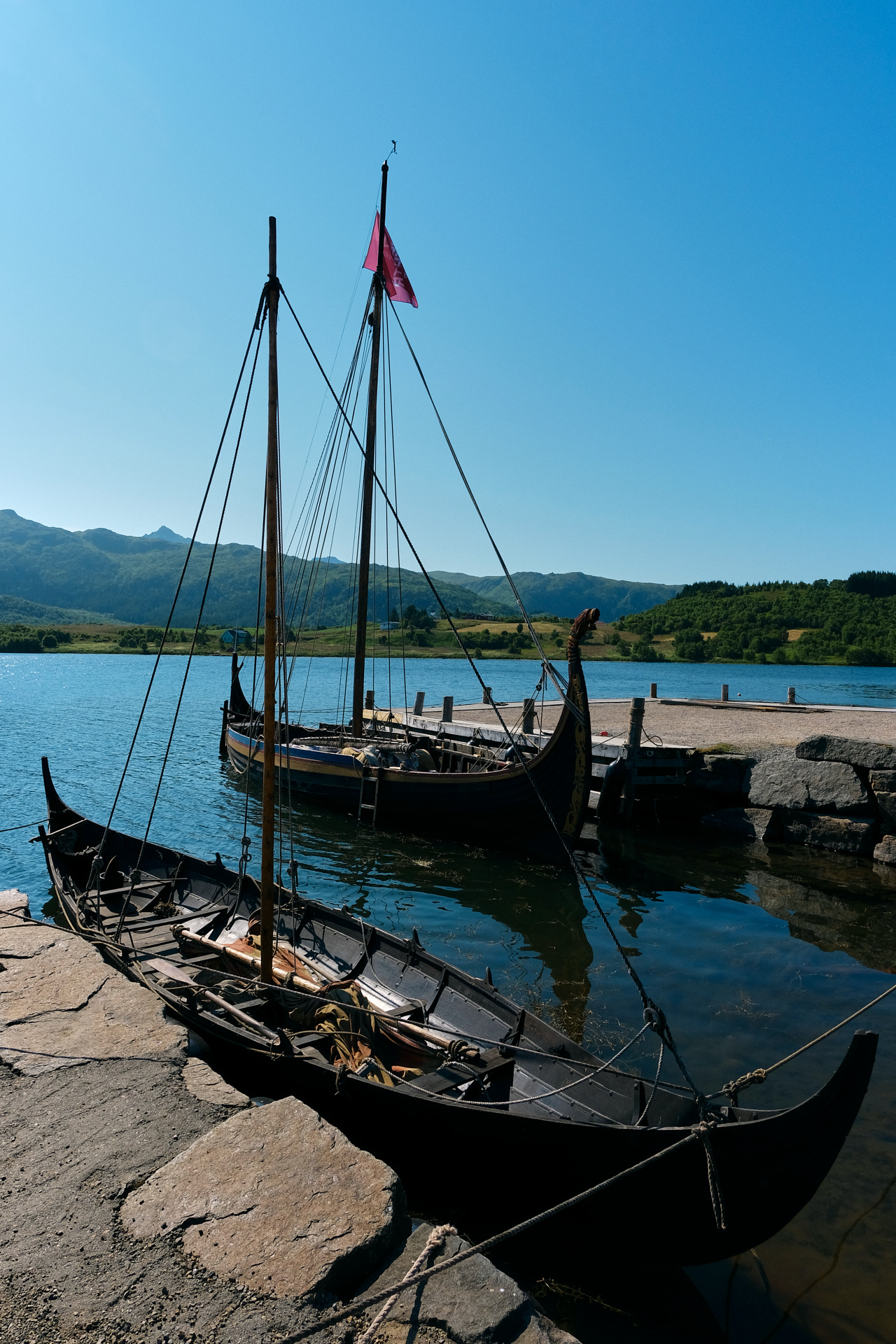
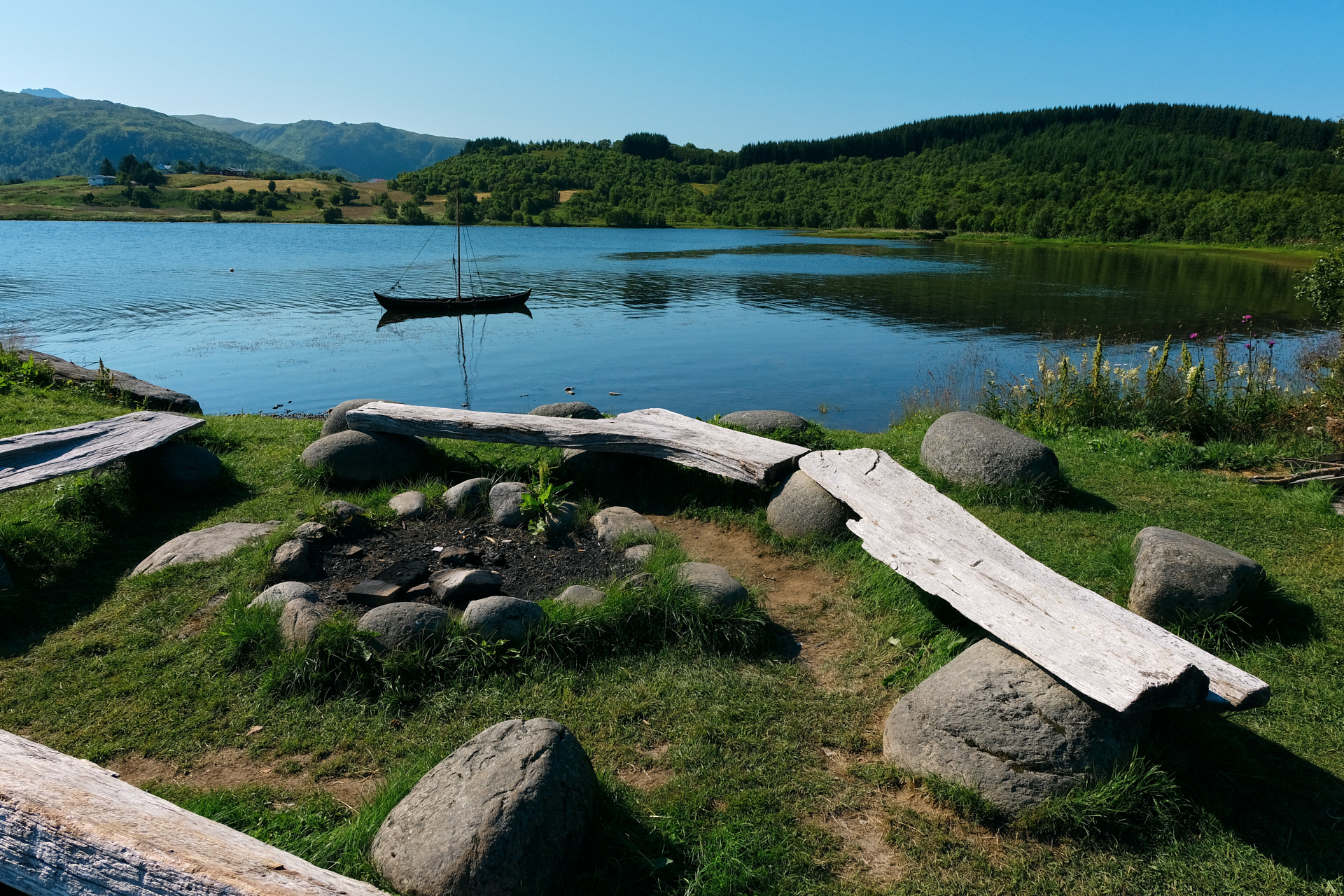
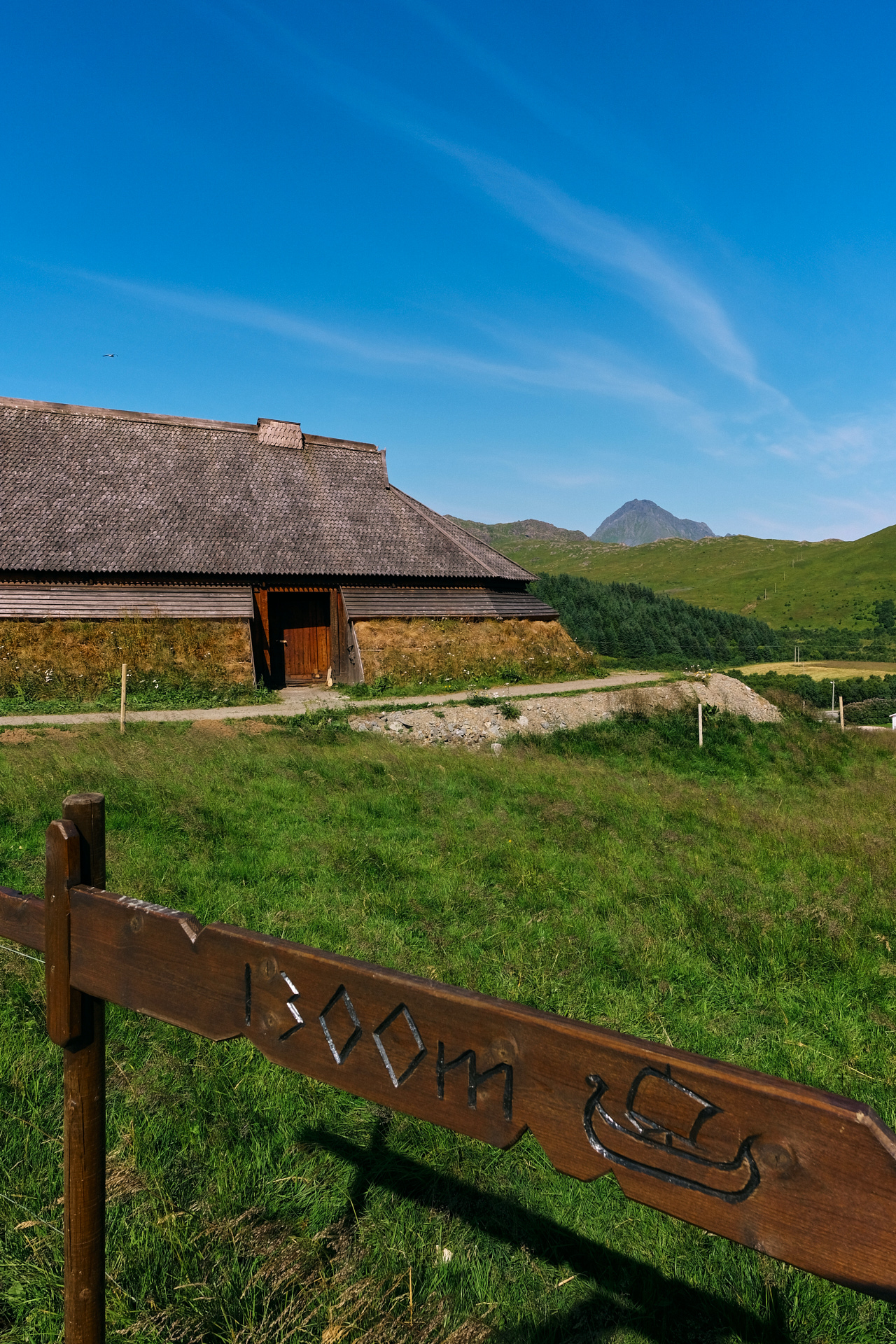
A short distance away is Lofotr, a Viking museum built on the site where the Viking chieftain's longhouse once stood. In the museum, you will find not only a reconstruction of the residence itself, but also a replica of a Viking ship and a number of interactive displays from the lives of the inhabitants of that time. If you want to experience the atmosphere of the old Nordic world for a moment, it is definitely worth a visit.
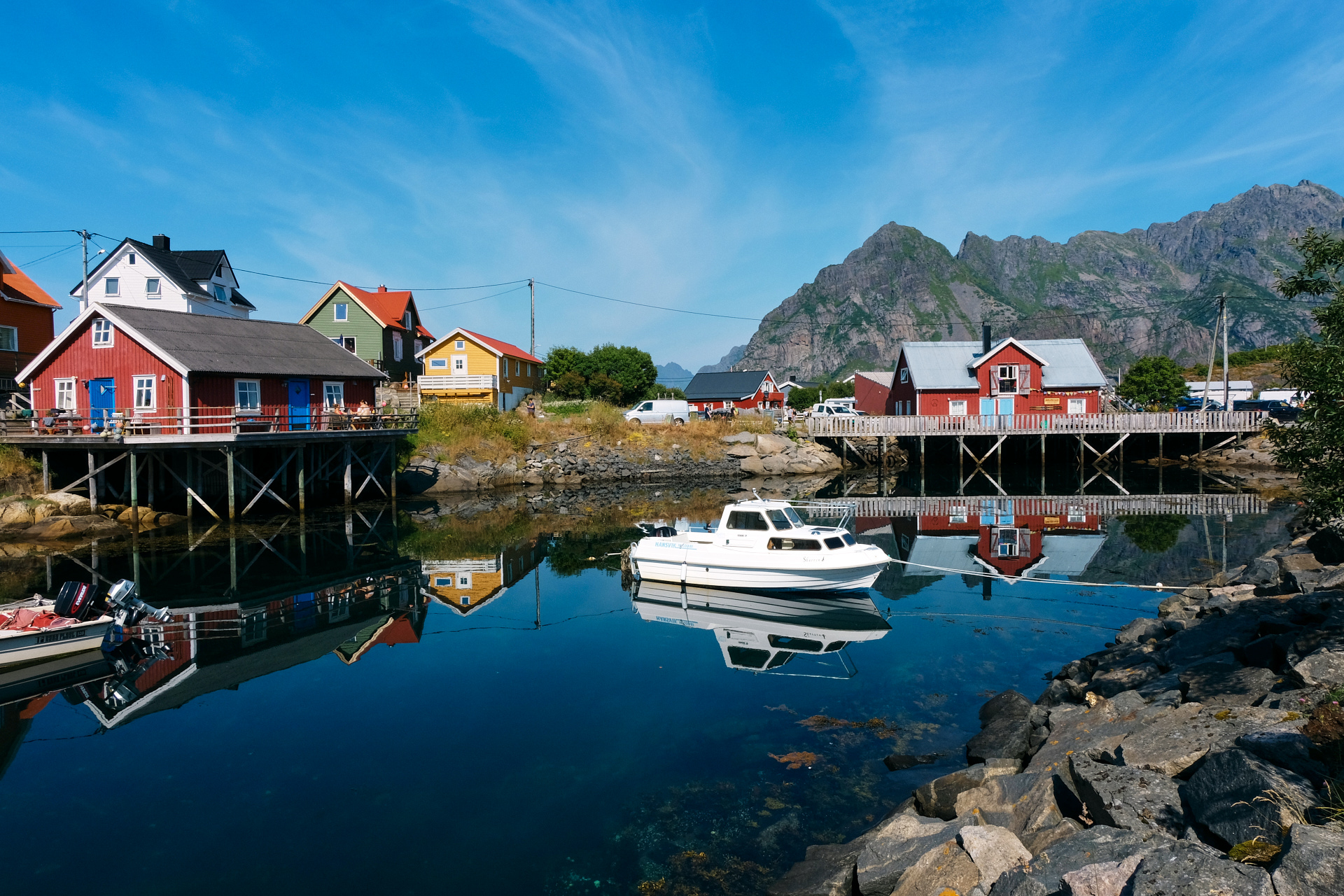
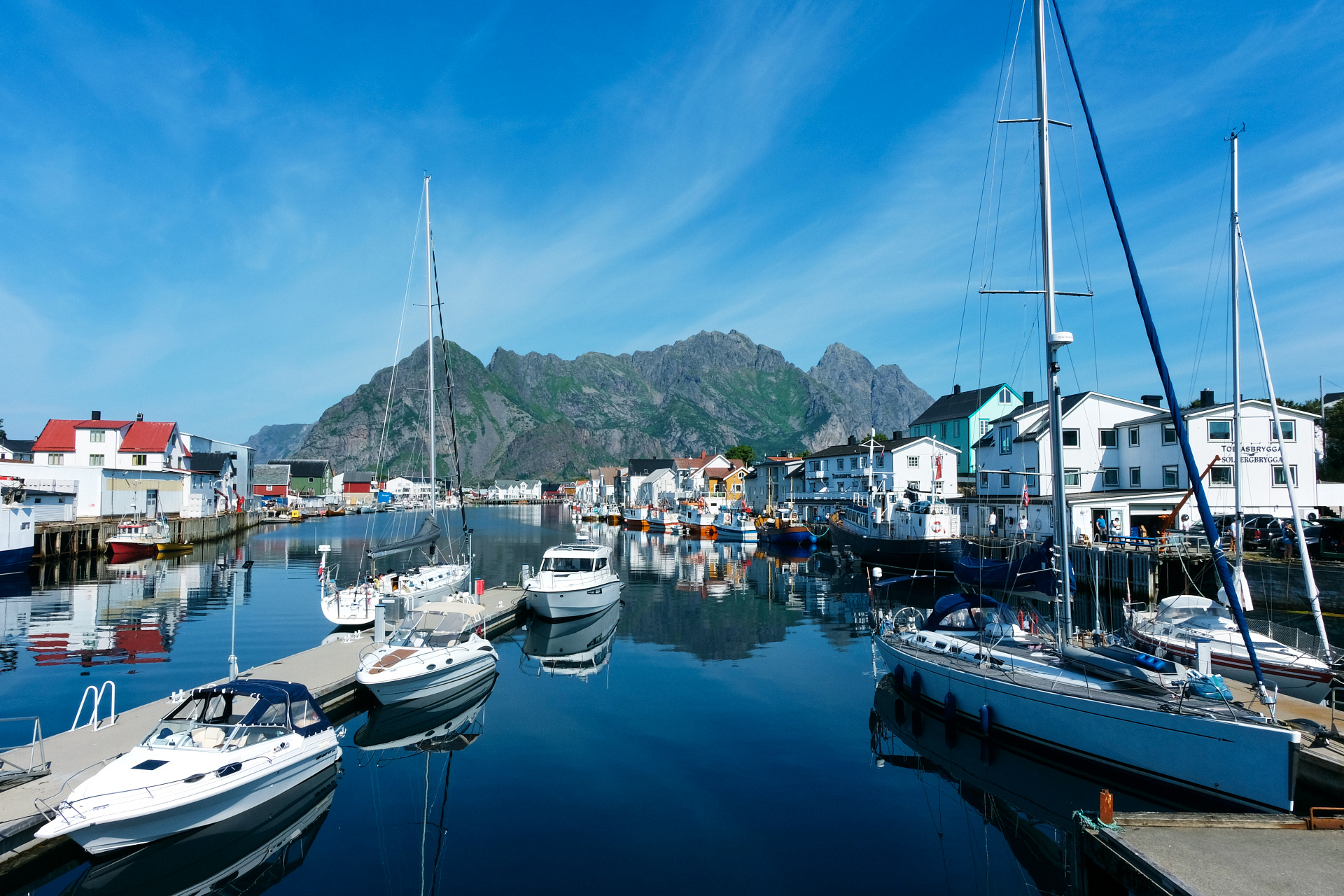
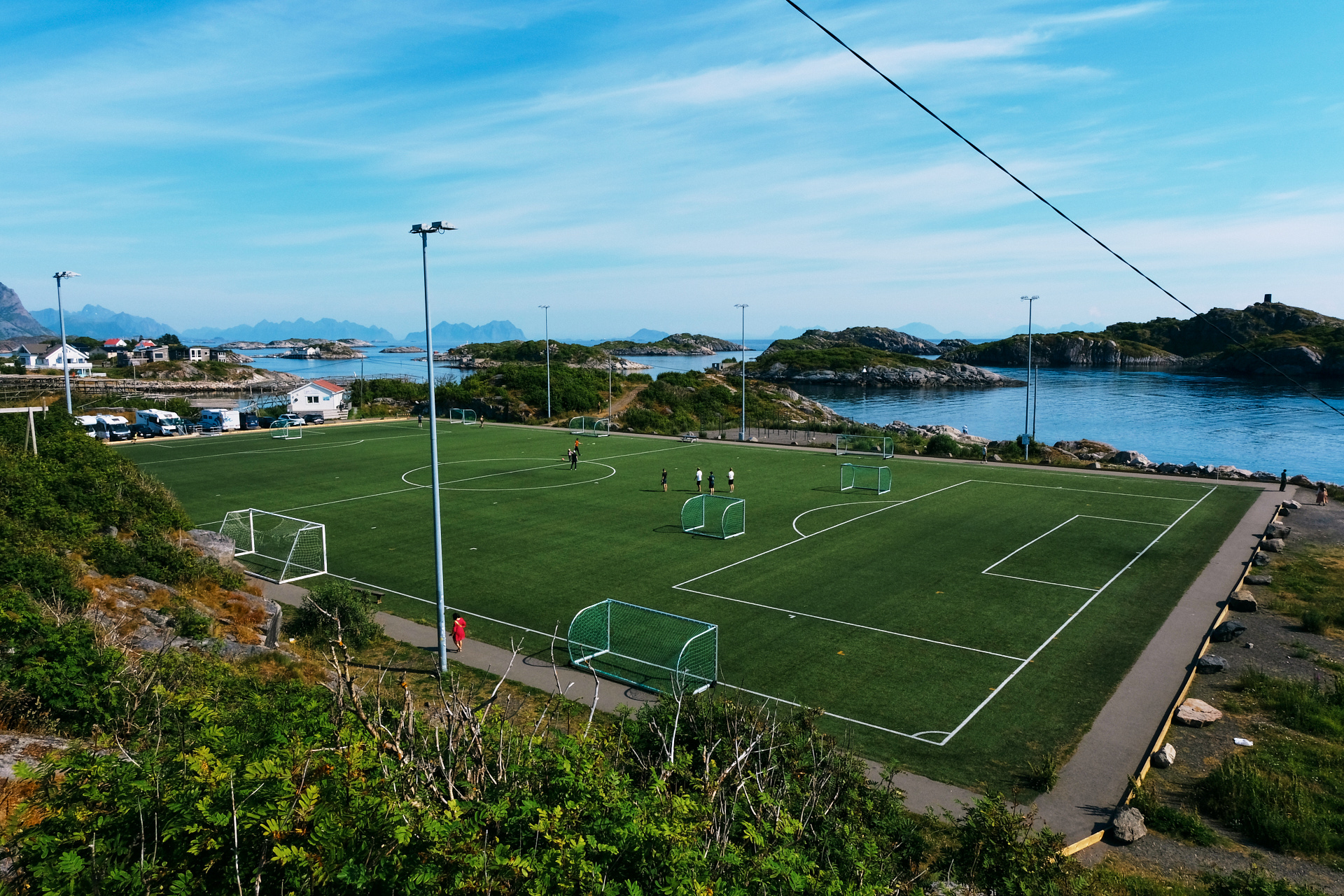
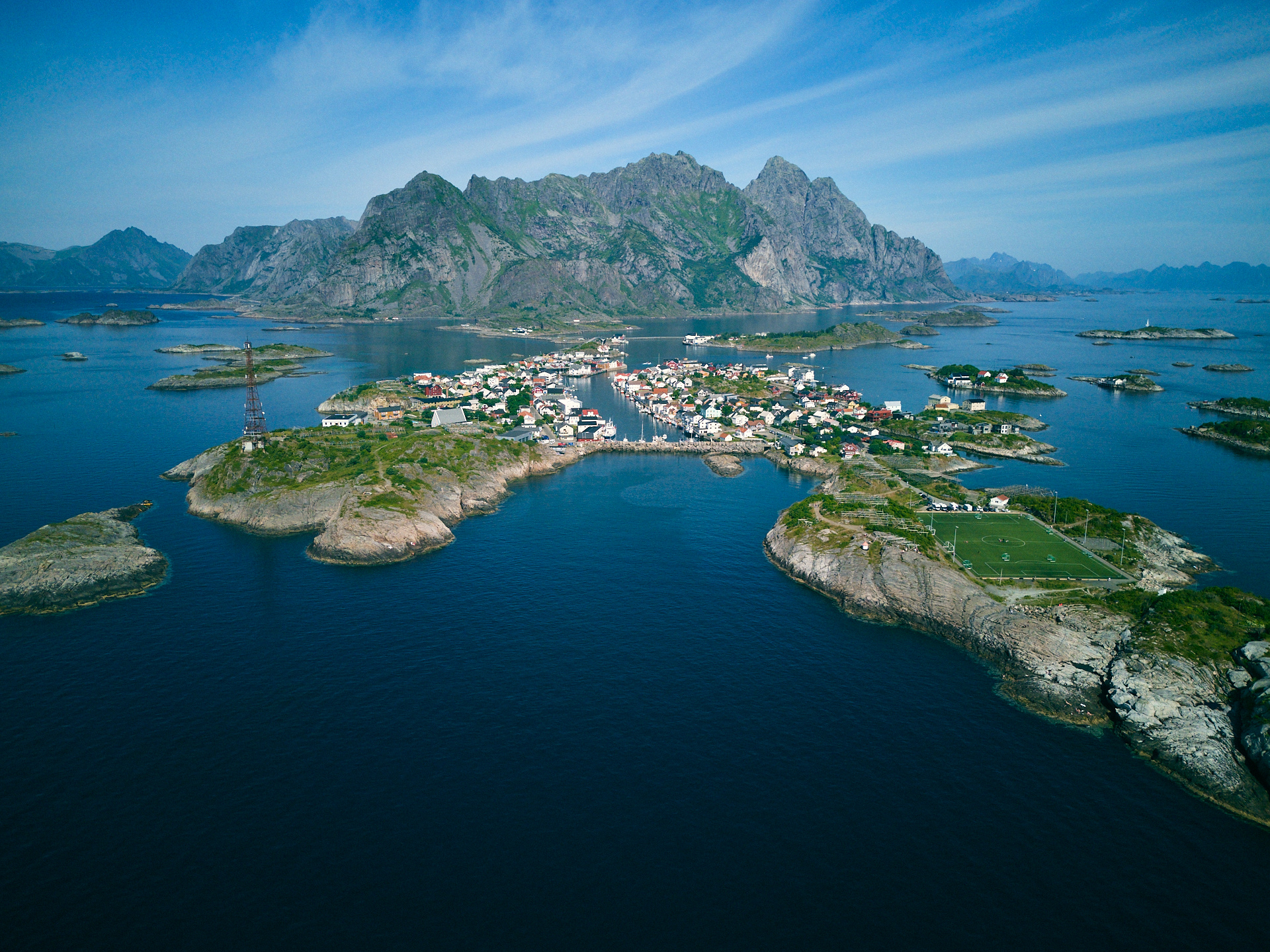
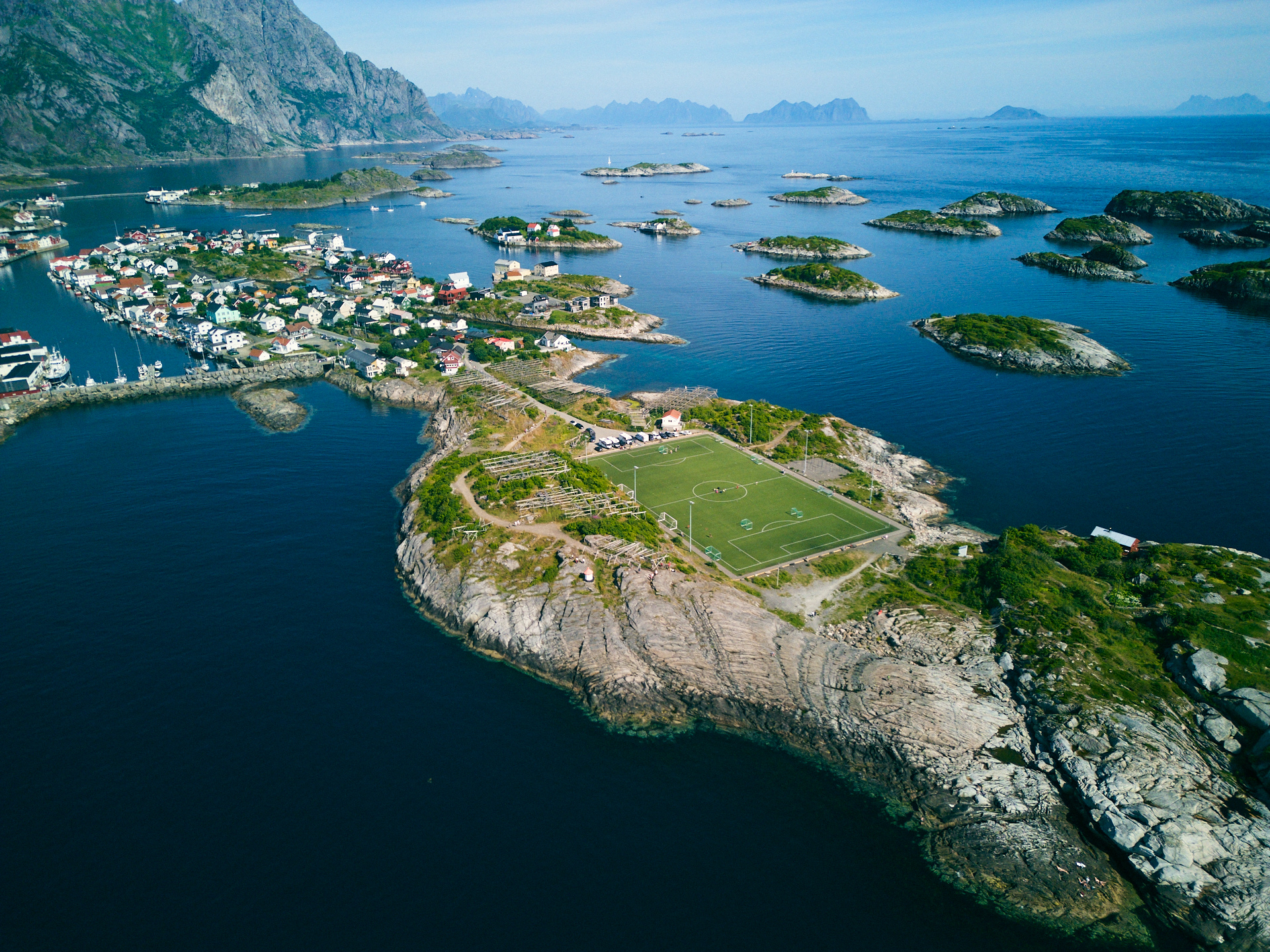
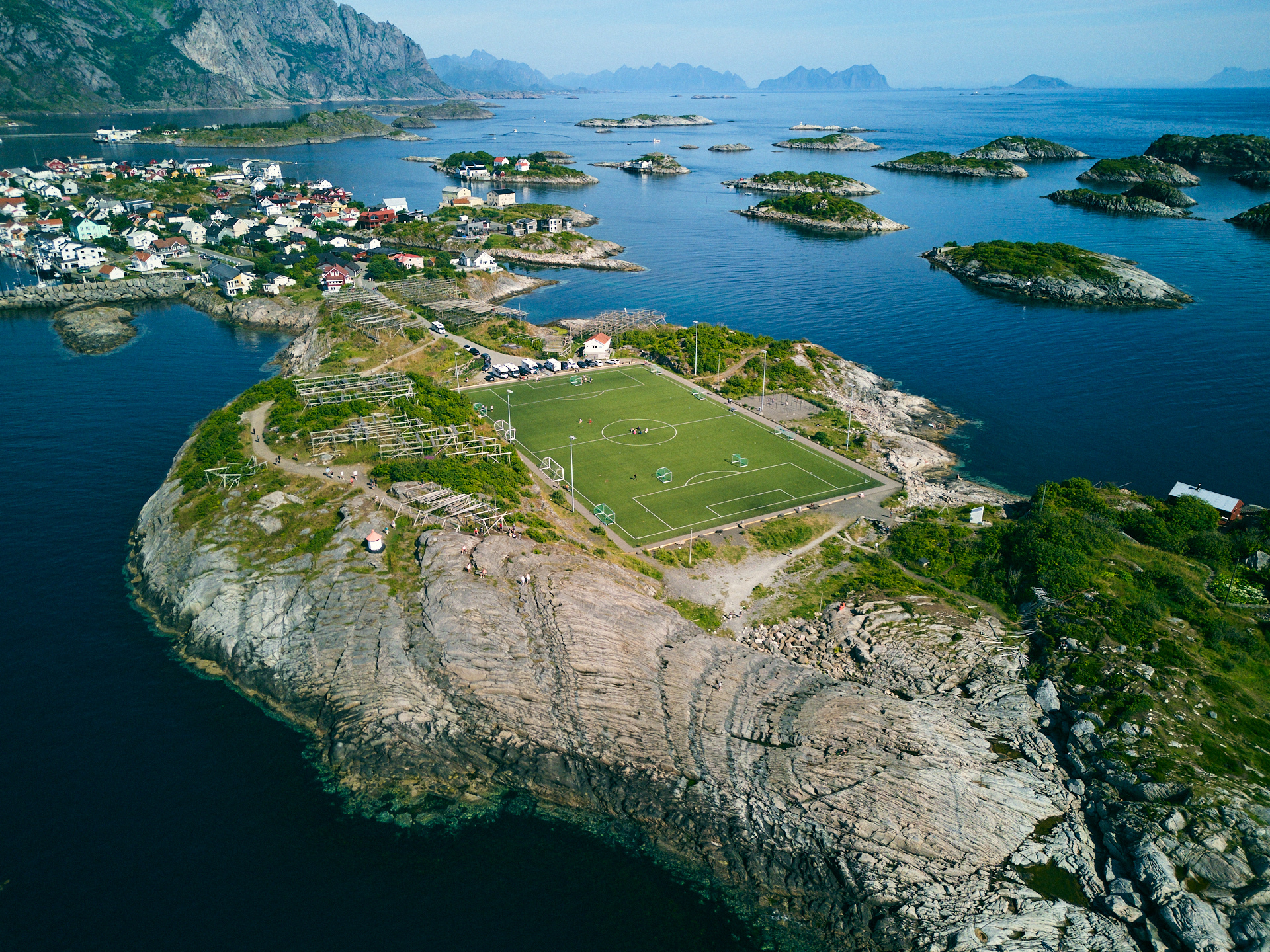
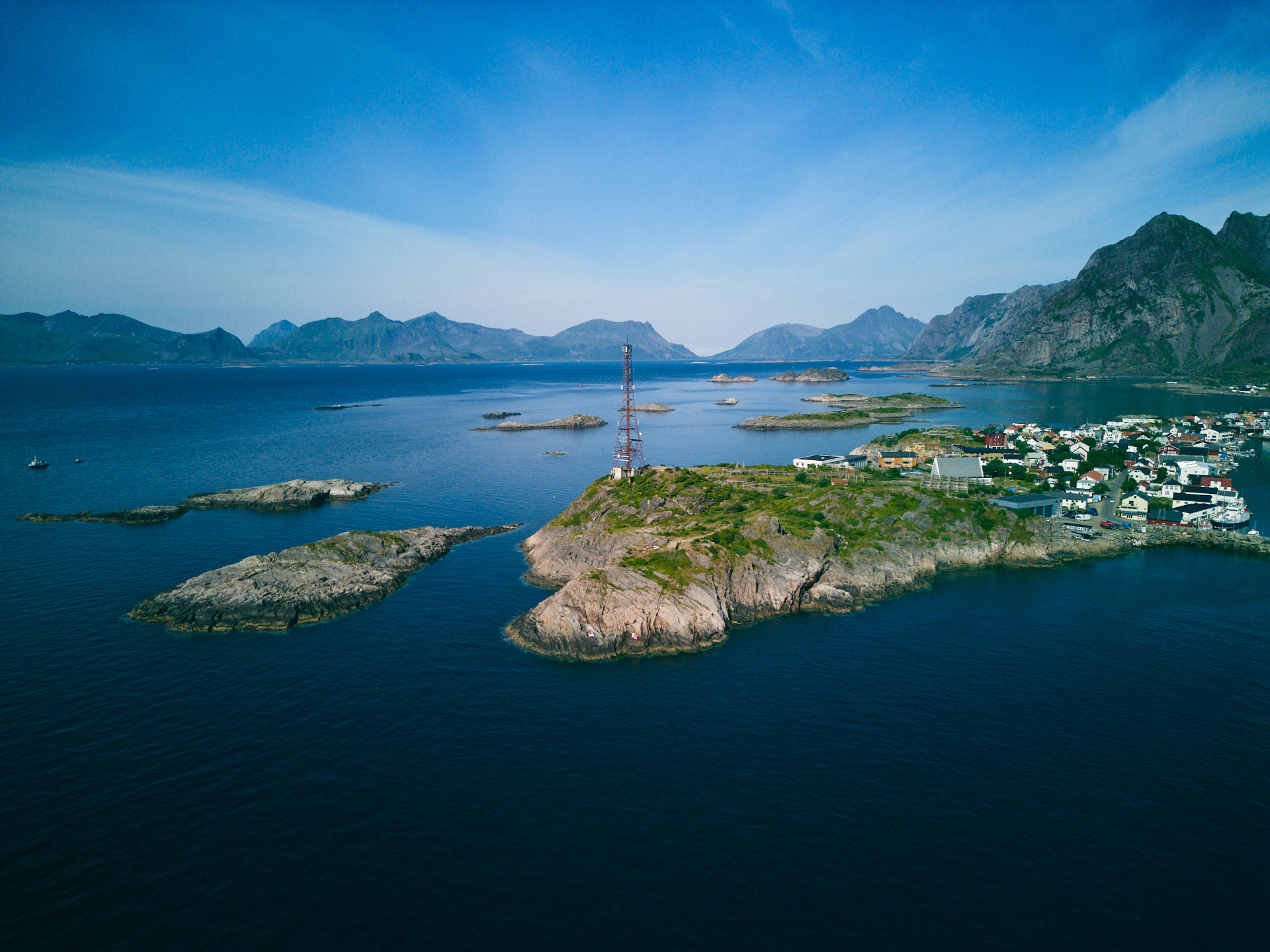
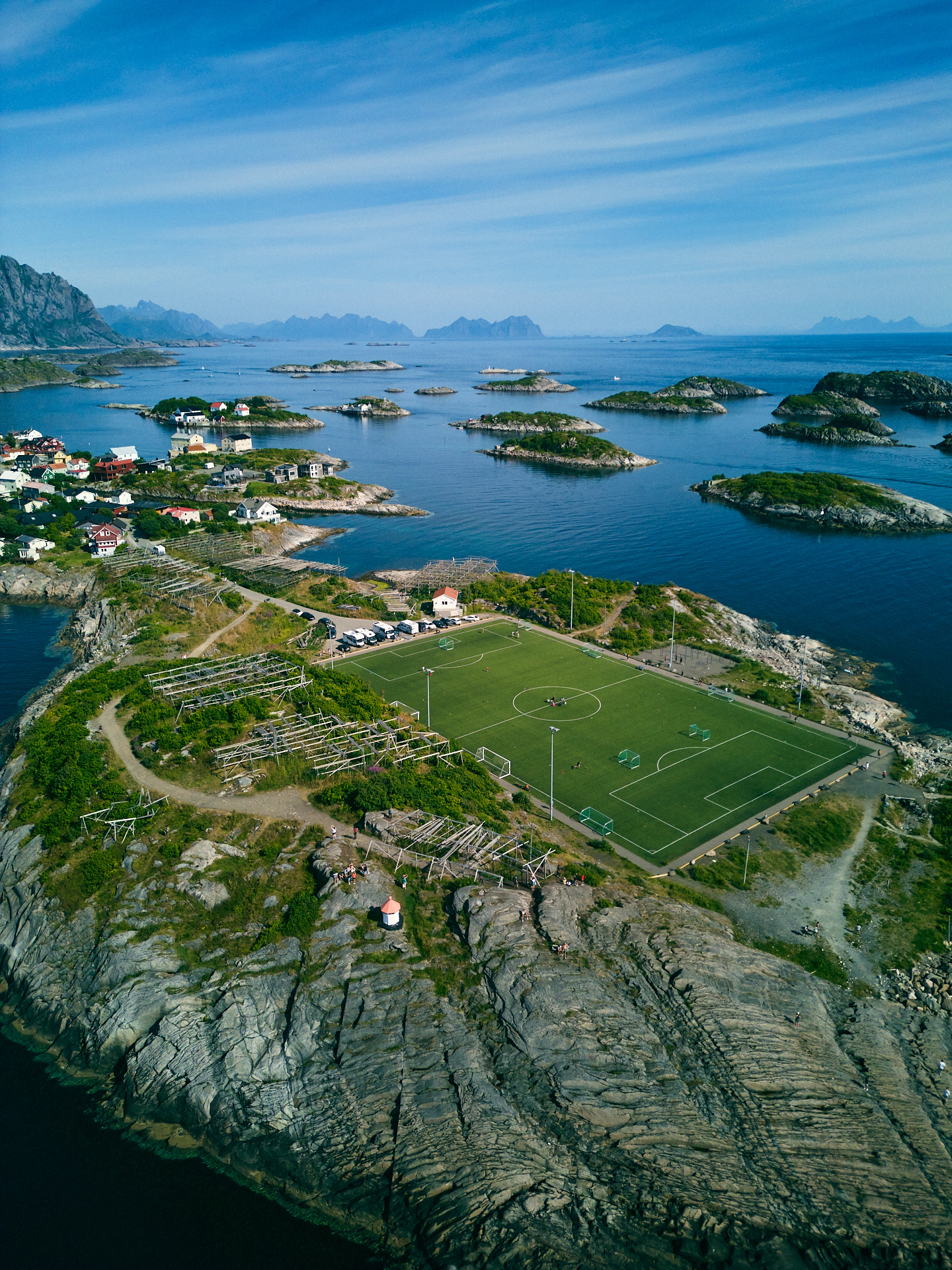
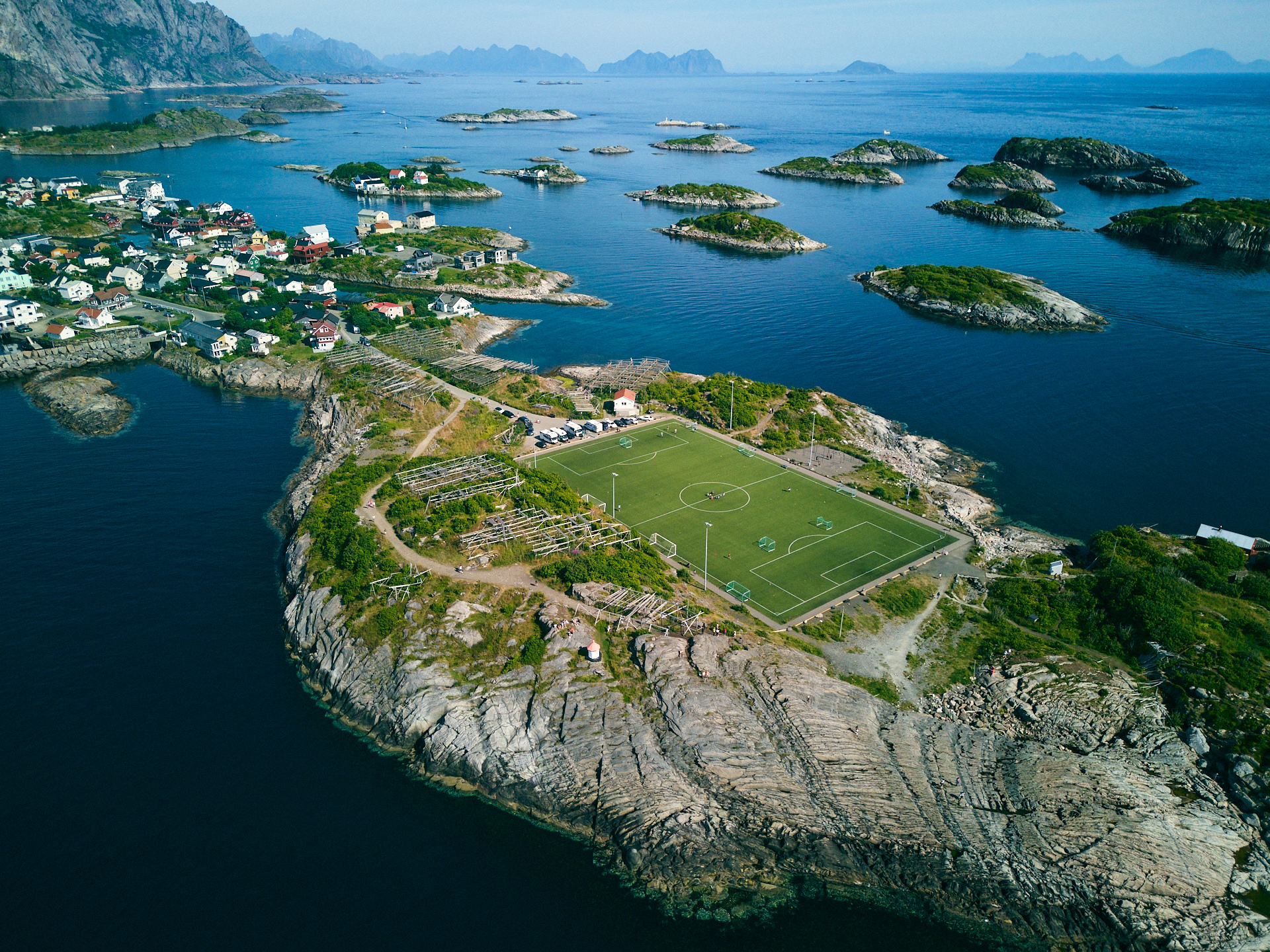
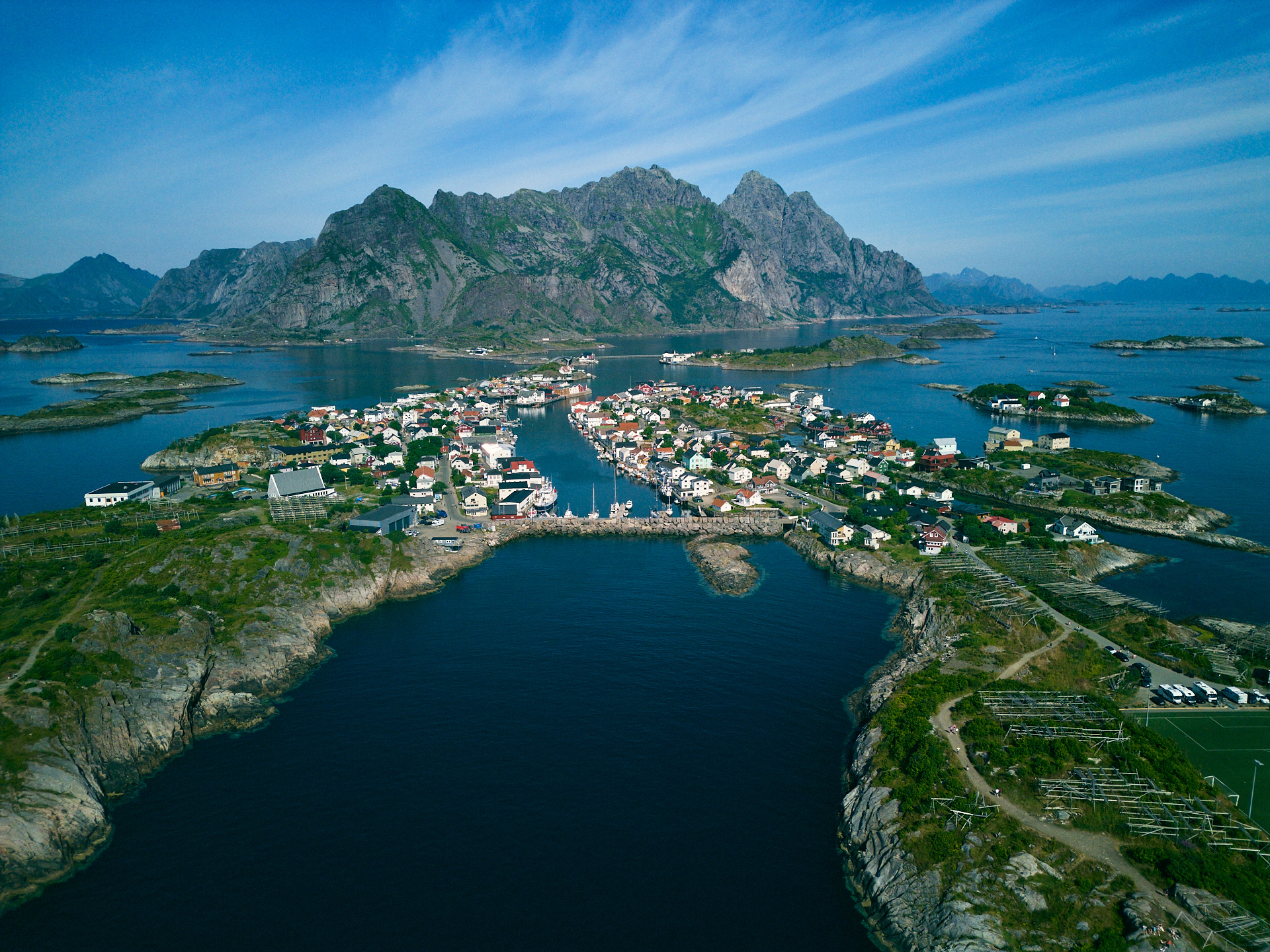
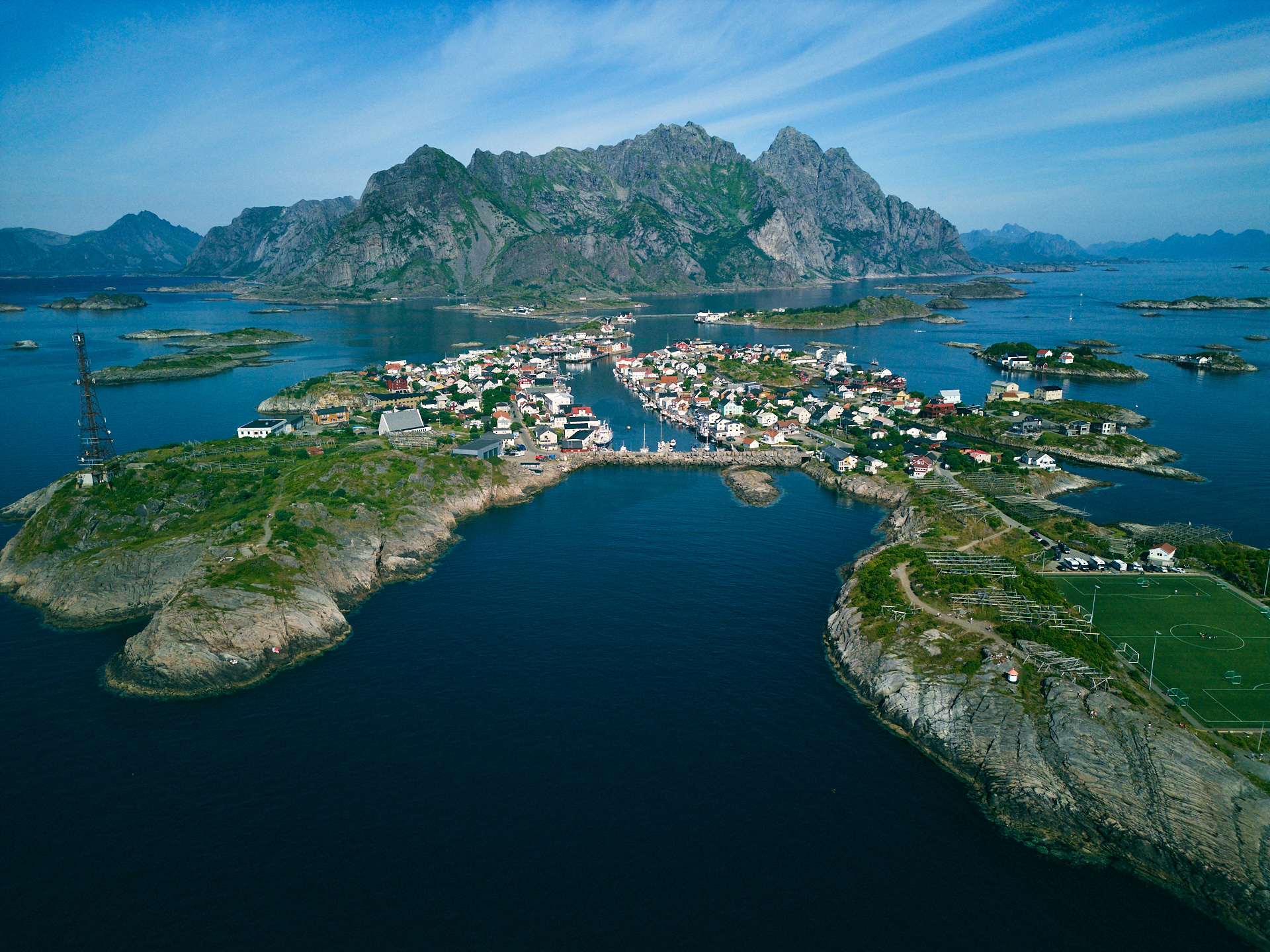
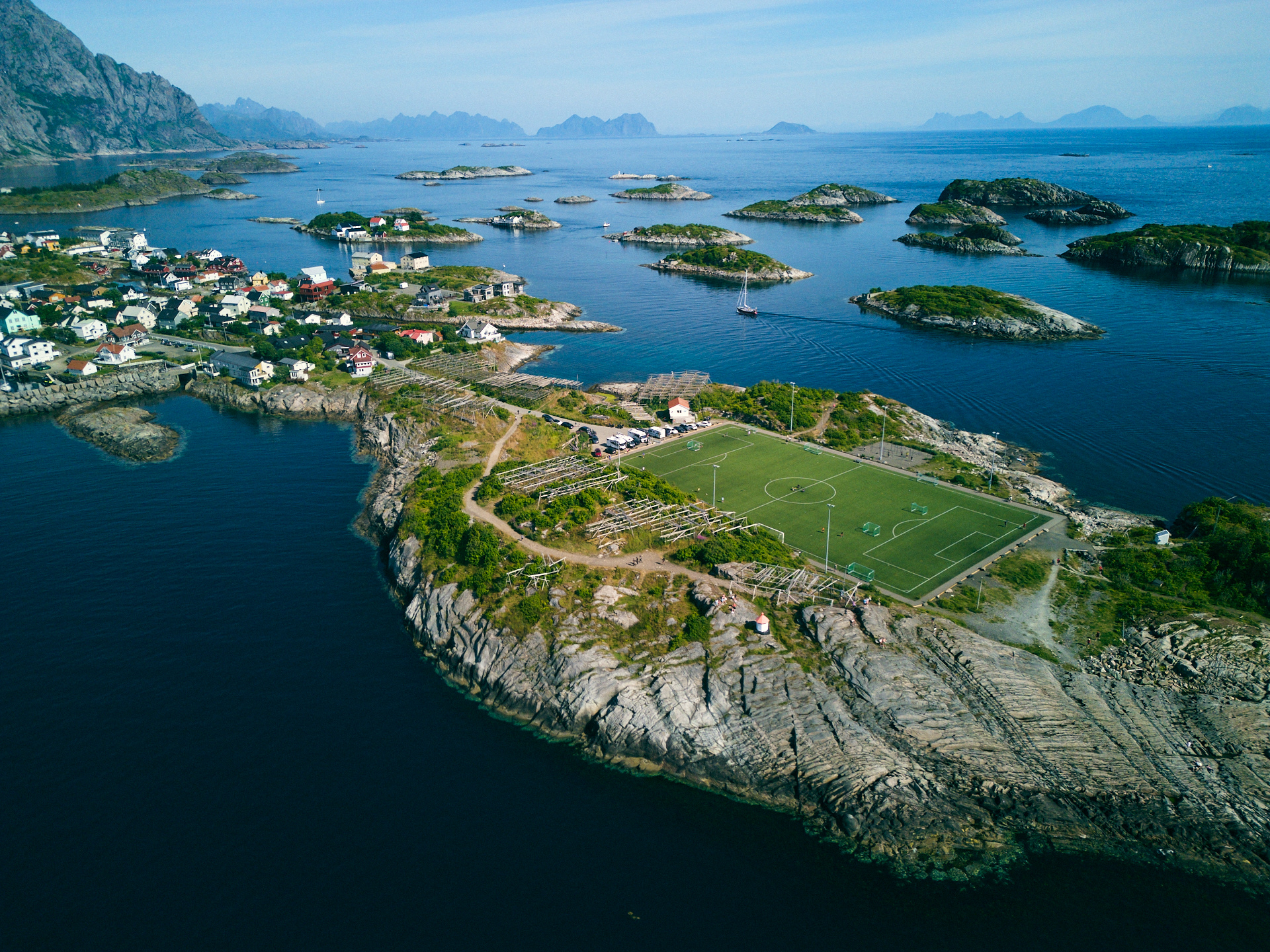
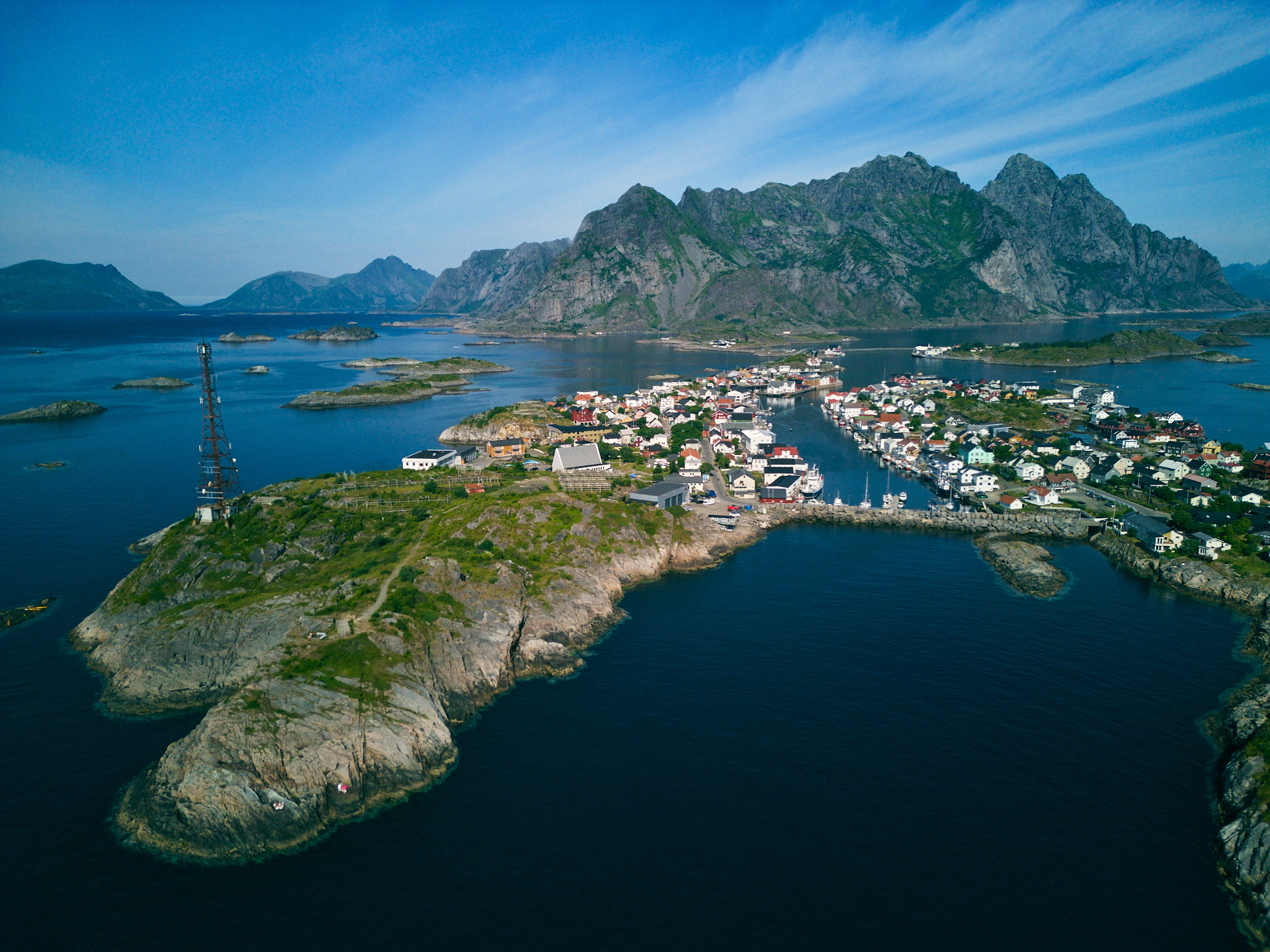
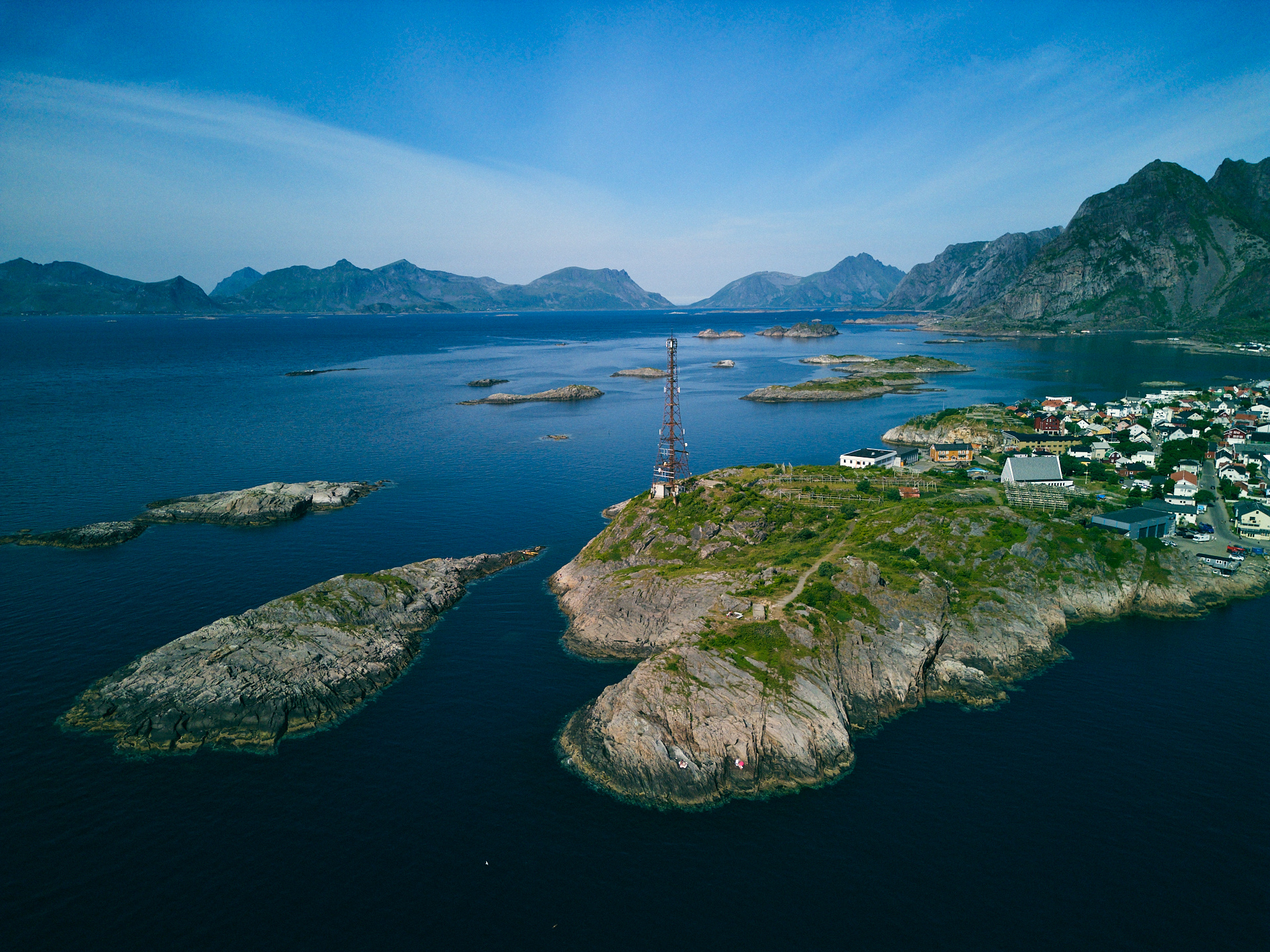
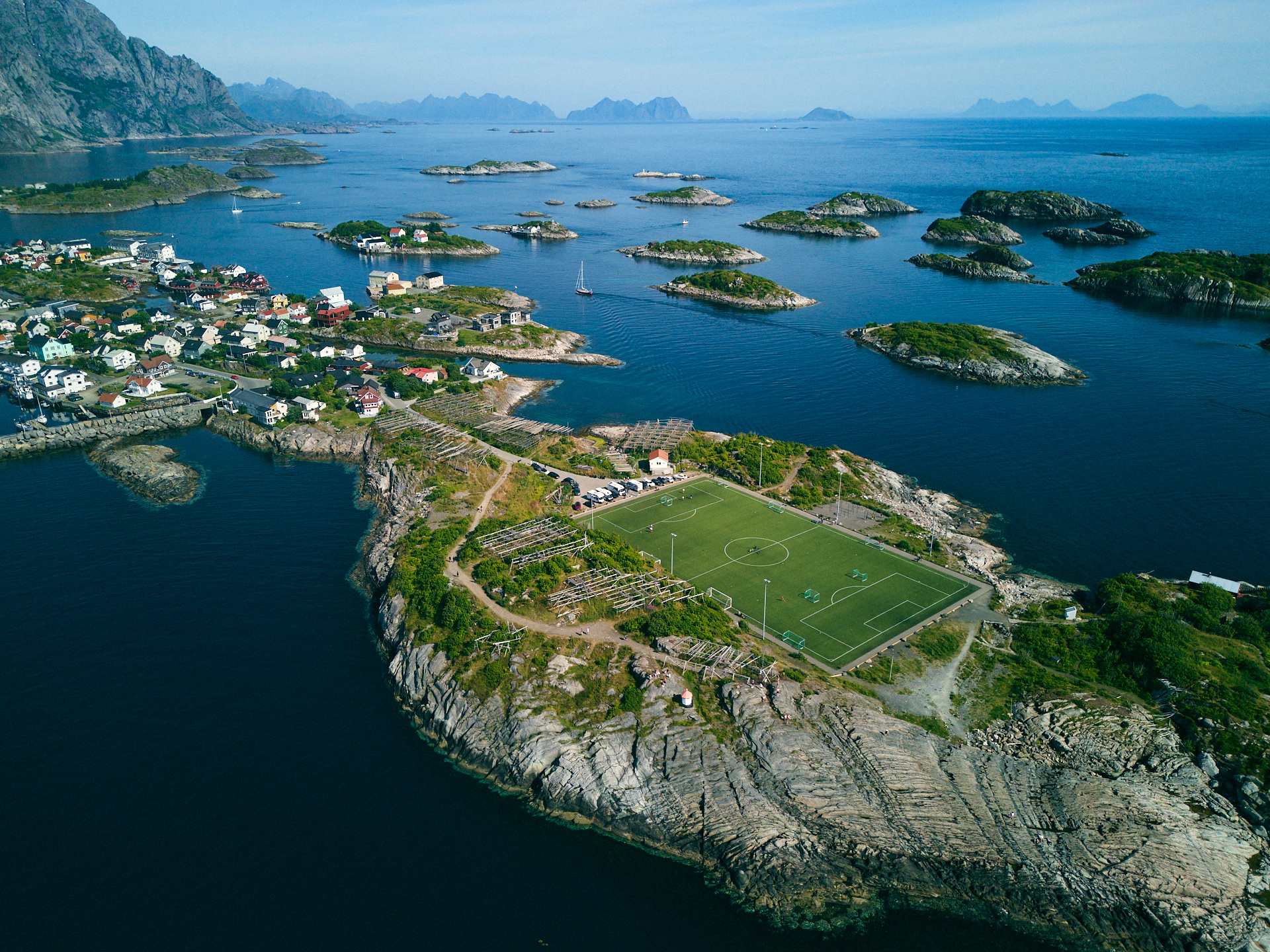
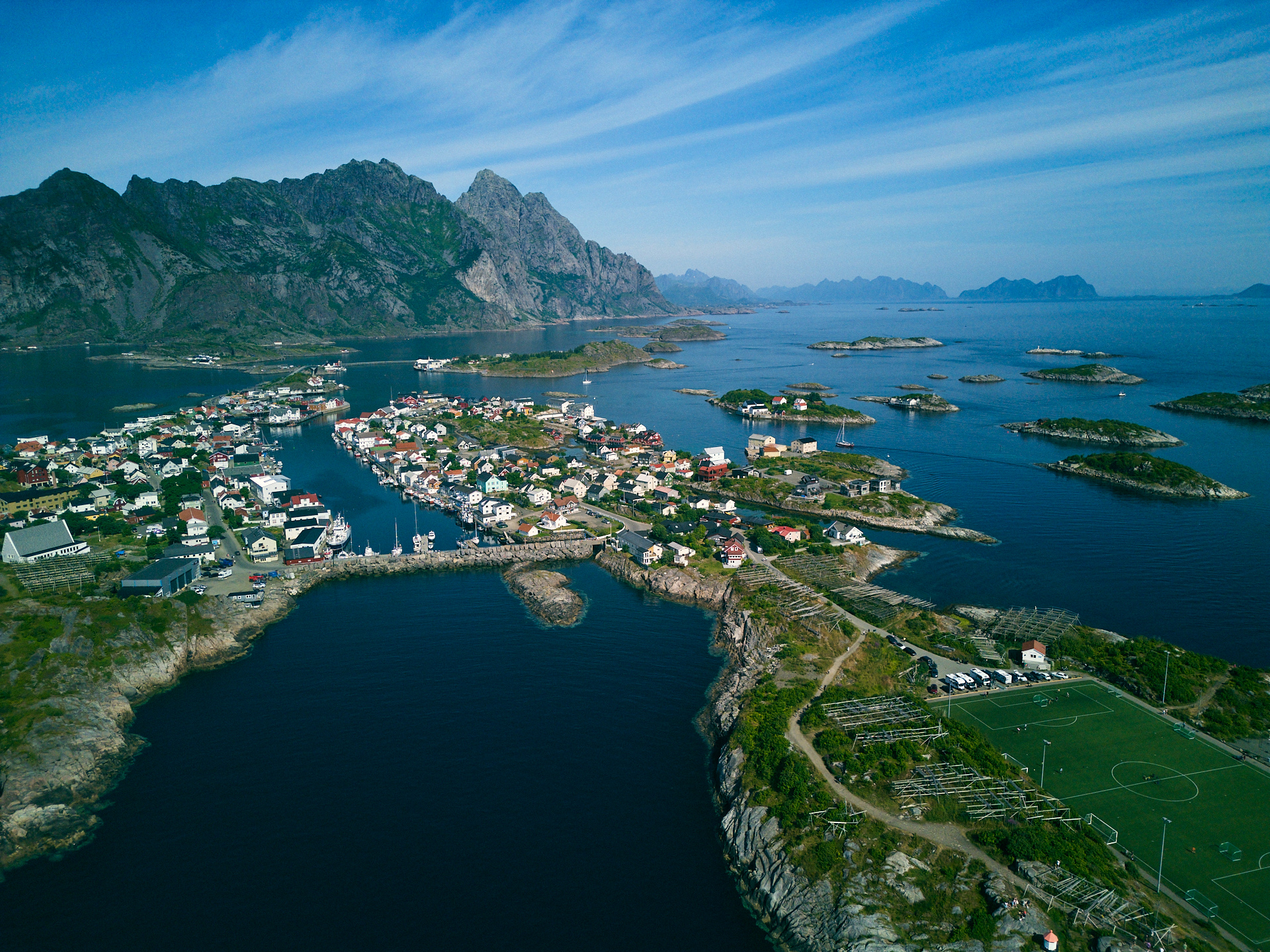
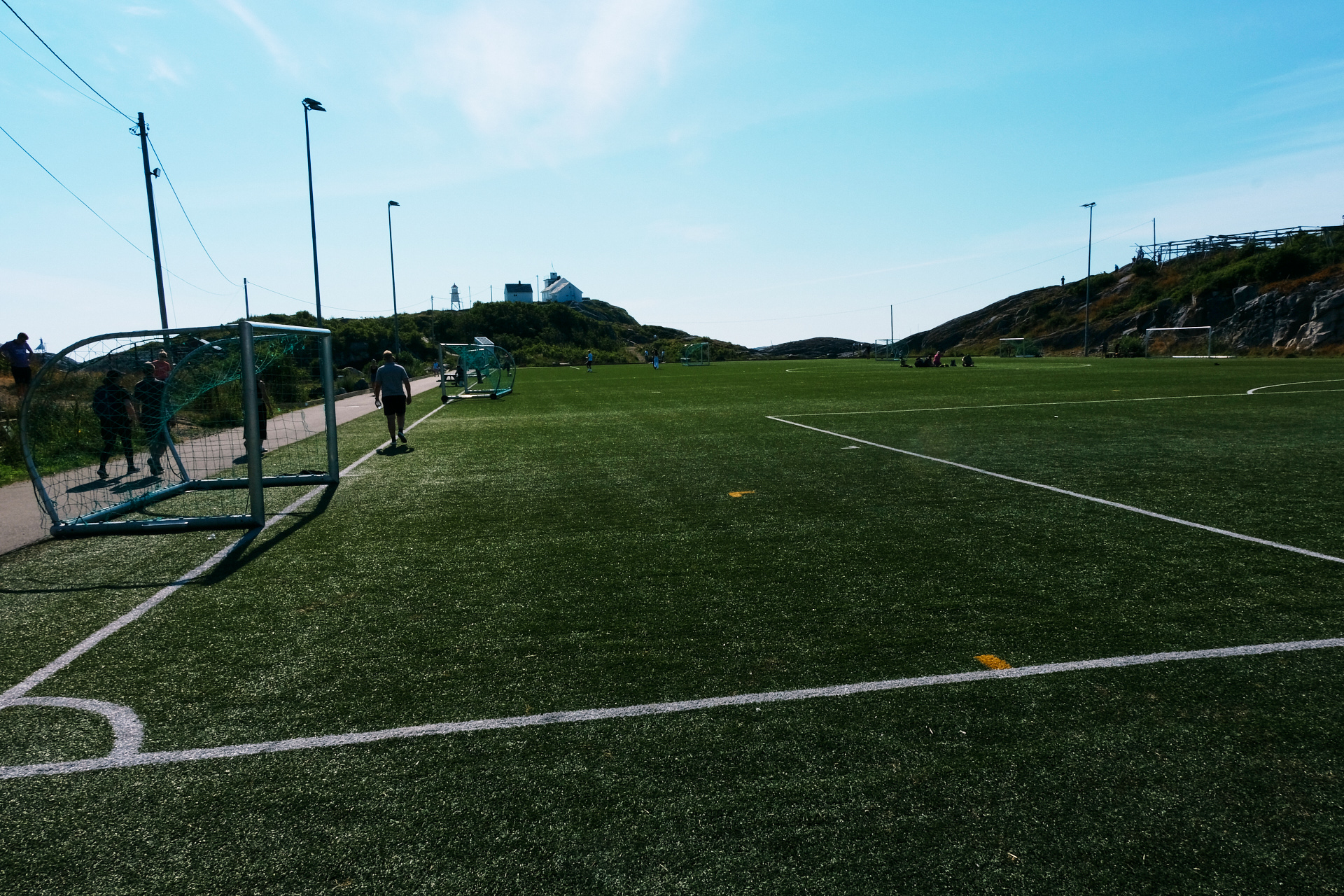
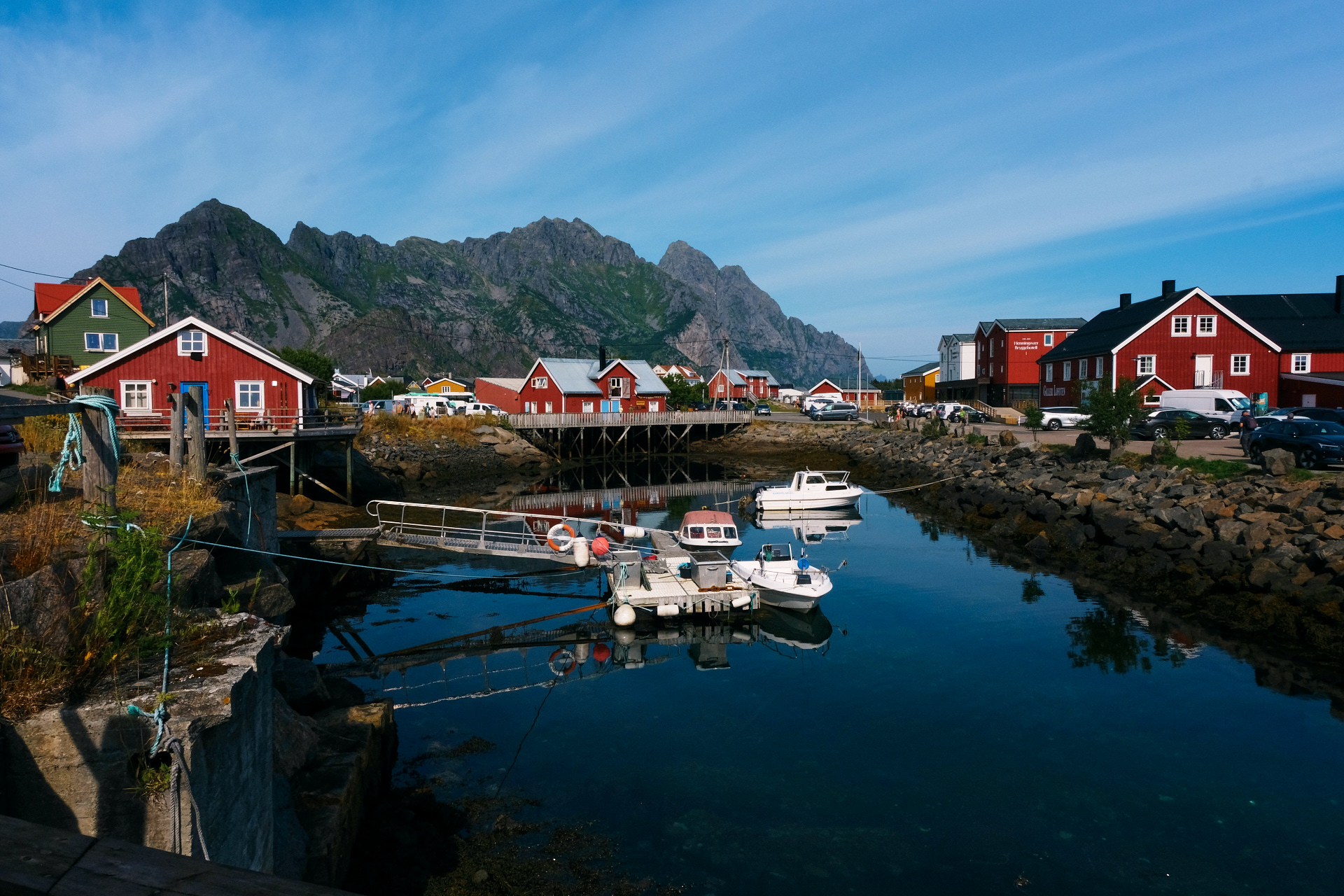
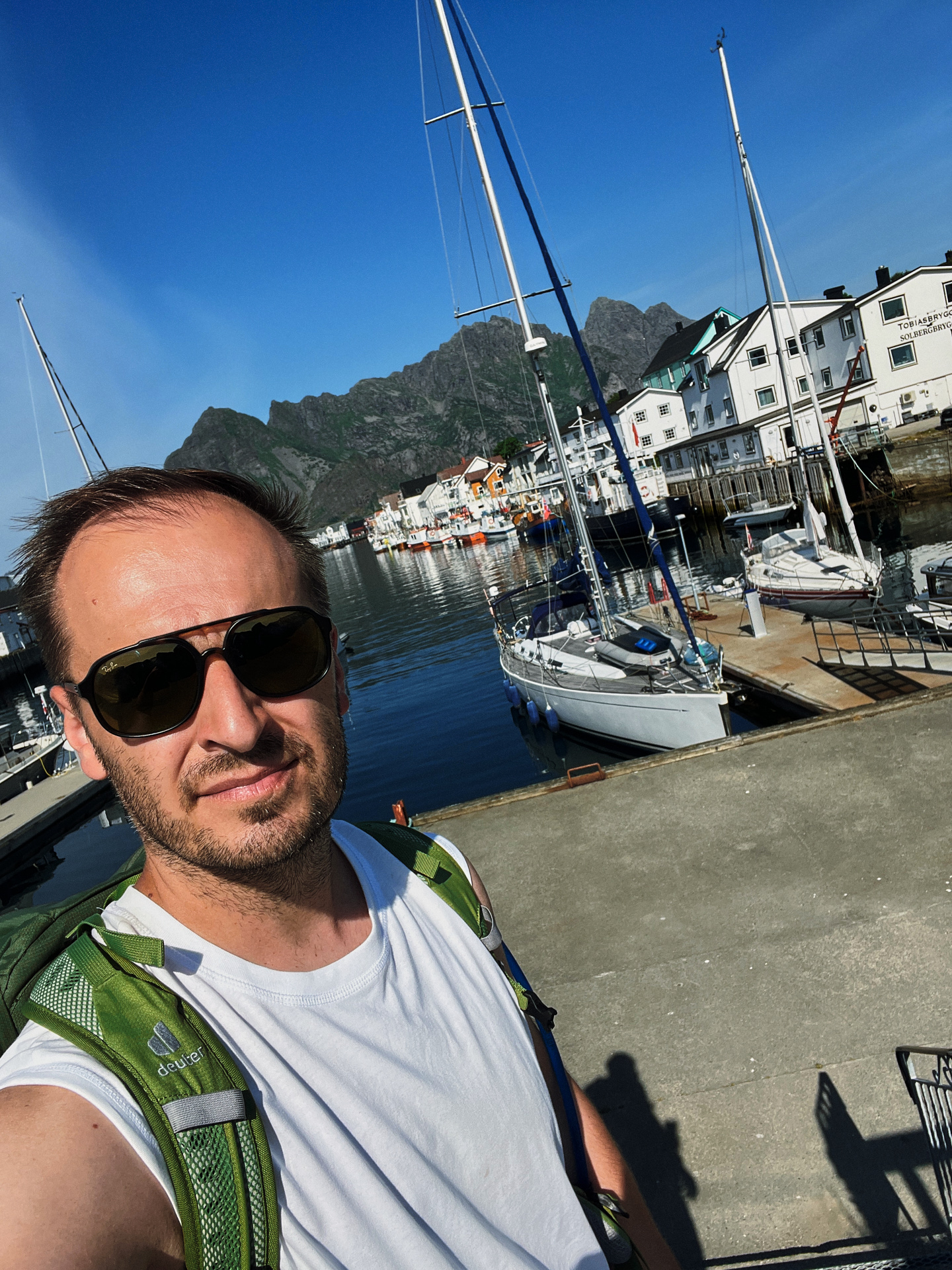
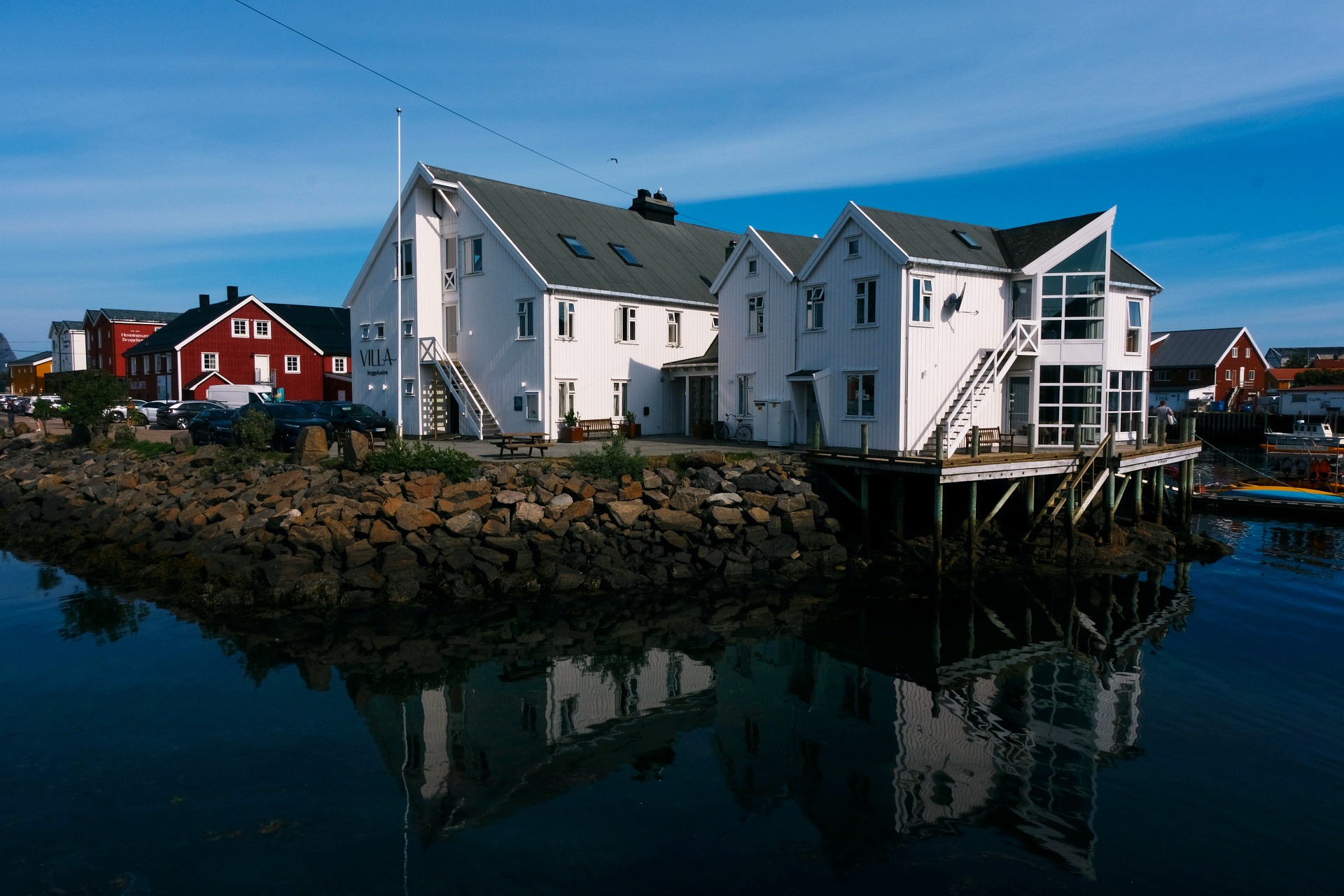
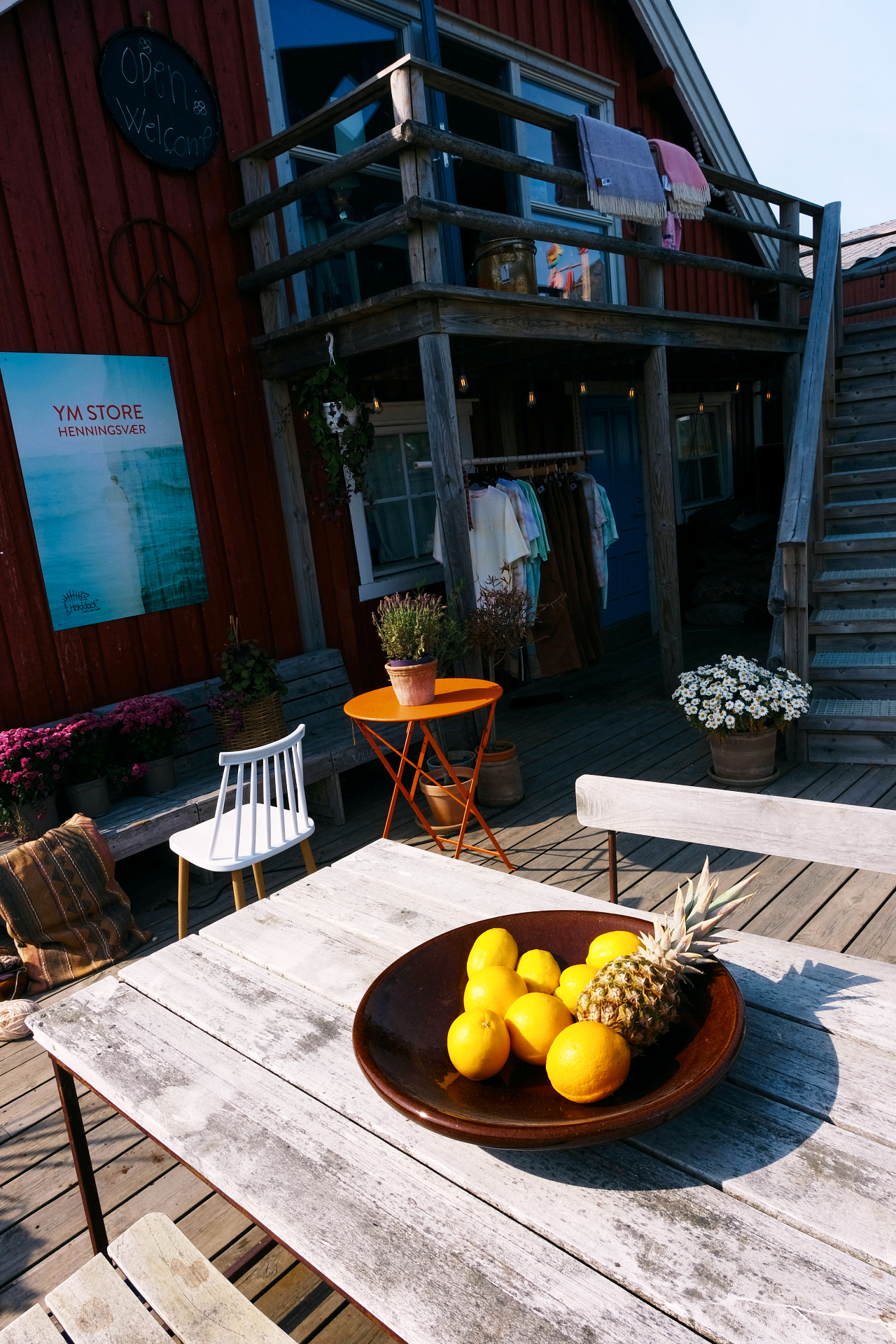
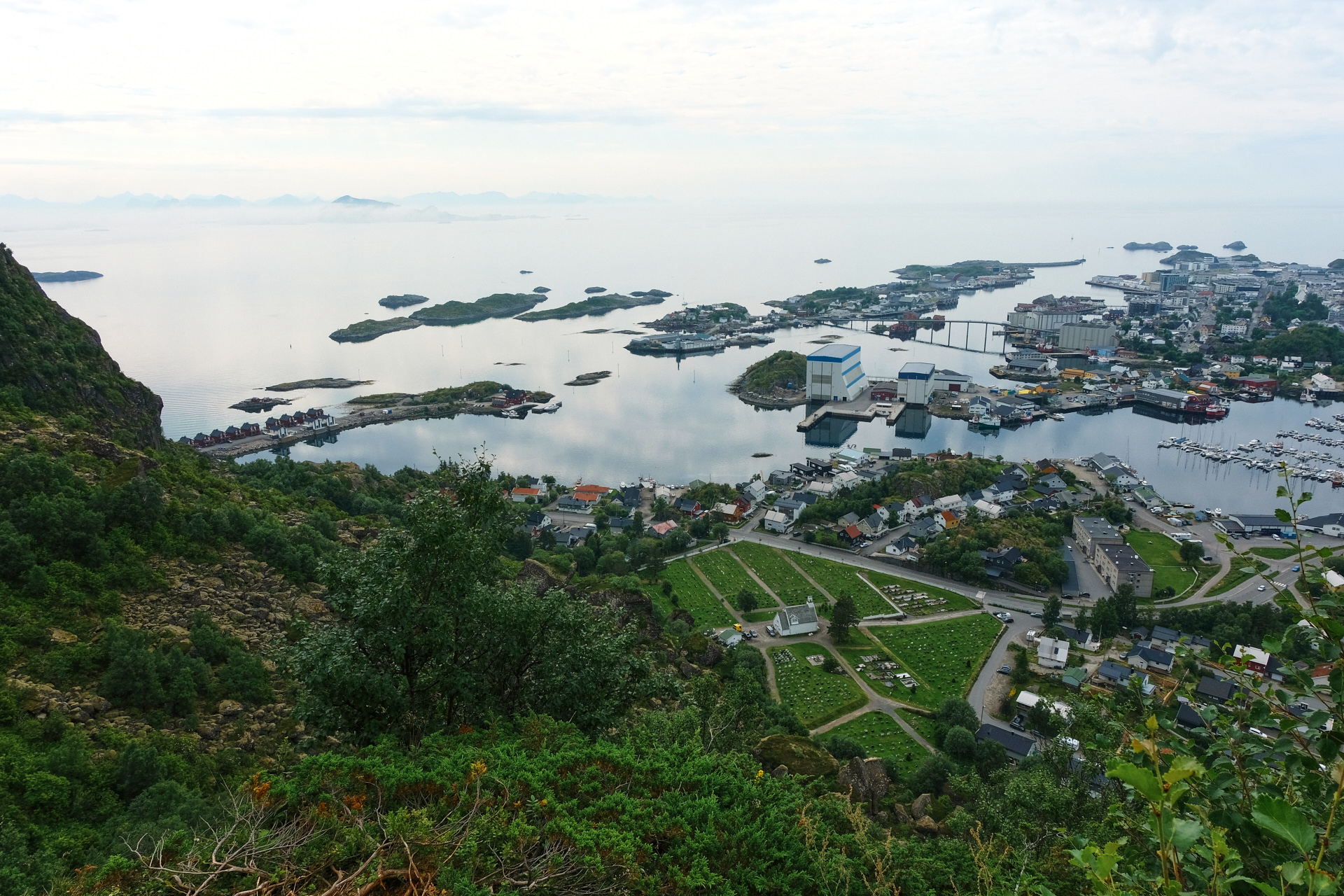
Another popular stop is Henningsvær – originally a fishing village, but now more of a tourist town, which has earned the nickname "Venice of Lofoten." It is spread across several small islands along the coast, connected by narrow bridges, giving it a truly unique atmosphere. You can see drone footage of Henningsvær on social media and in travel videos practically everywhere, so I couldn't resist flying over it myself. The most iconic shots are of the soccer field located at the very end of the islands, but the entire scenery of the archipelago will take your breath away.
Interestingly, this was the only place where I encountered people from the local Civil Aviation Agency. They were checking who was flying and whether tourists were complying with the regulations. There is a lot of interest in drone footage in Lofoten, and this is where it is most evident.
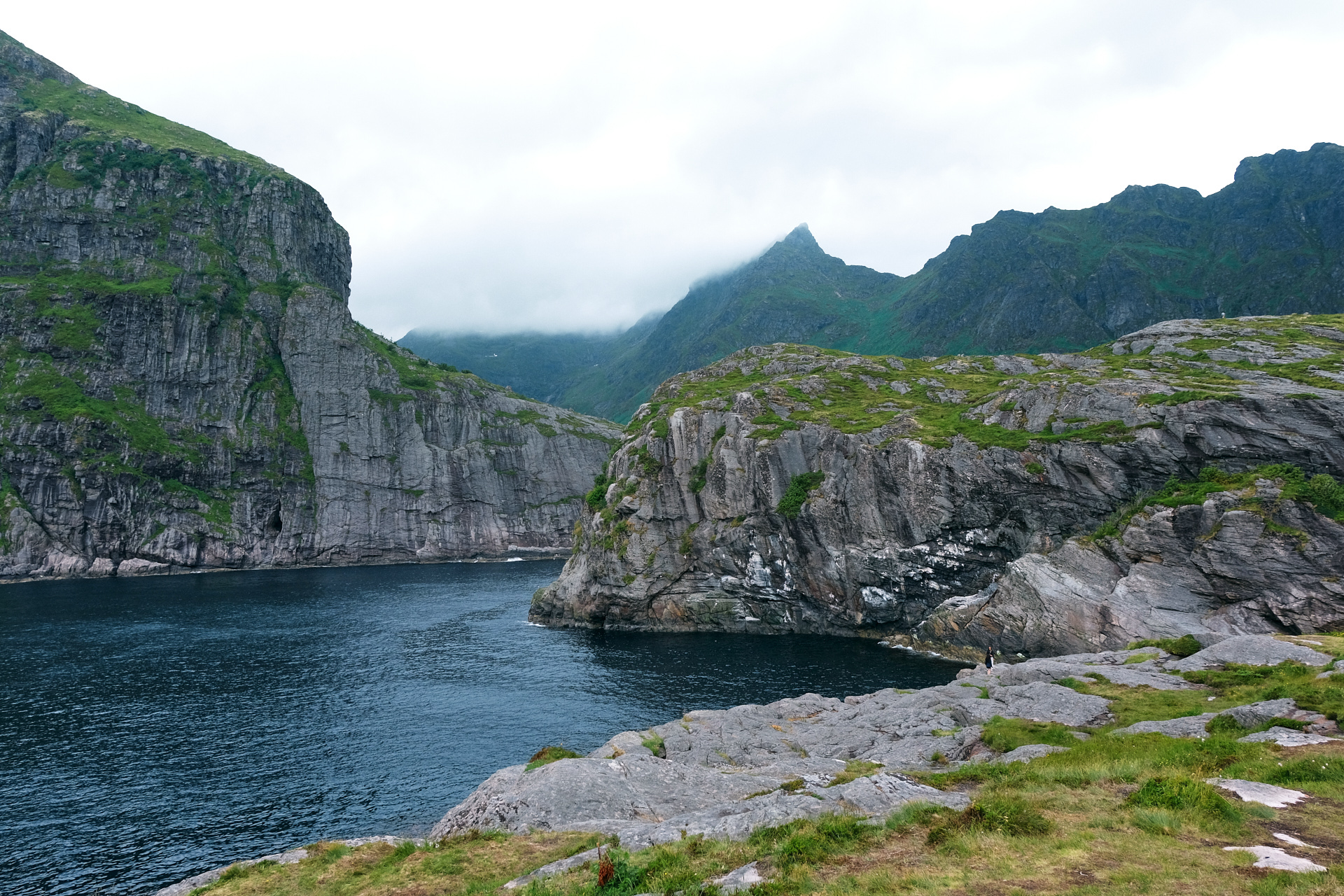
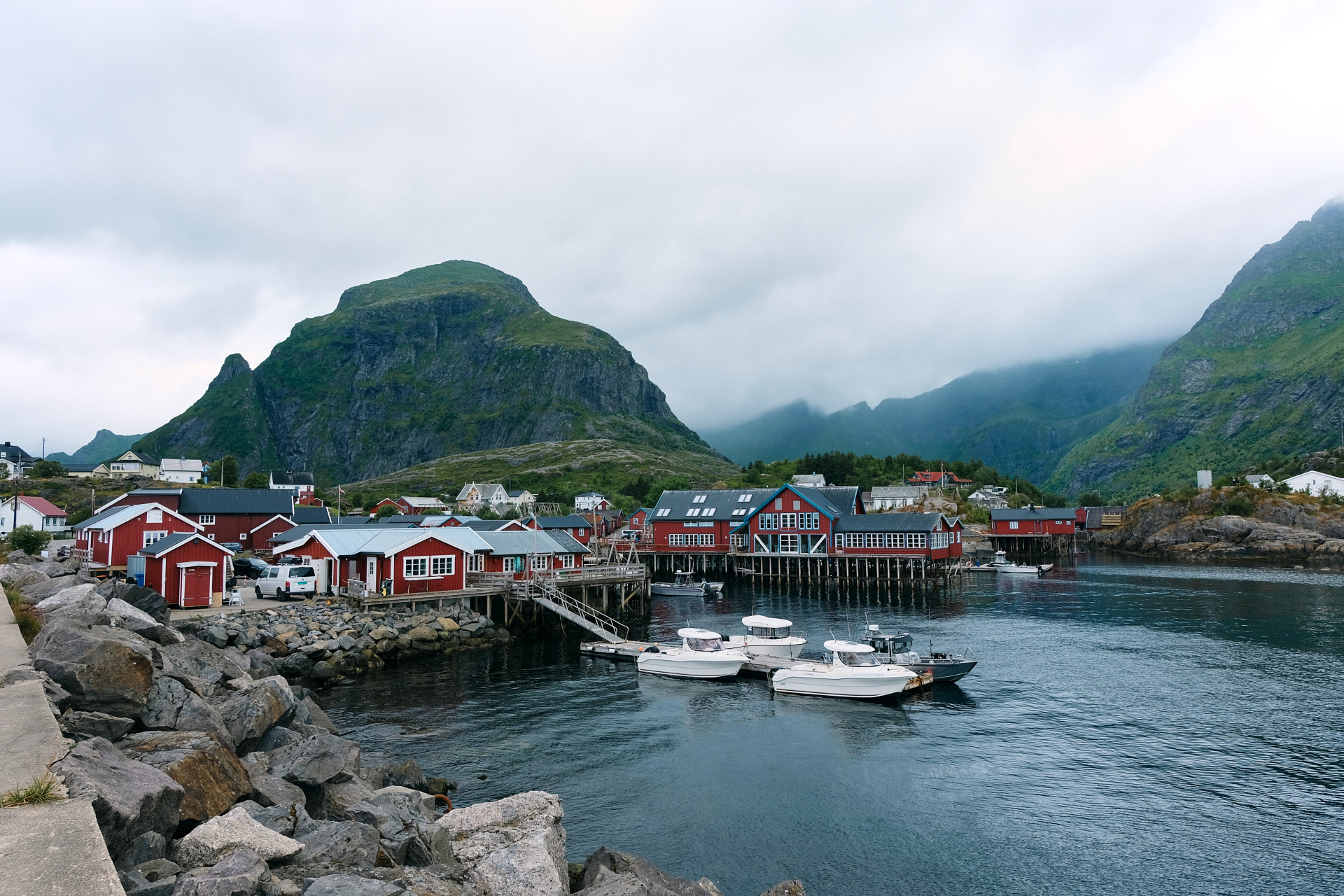
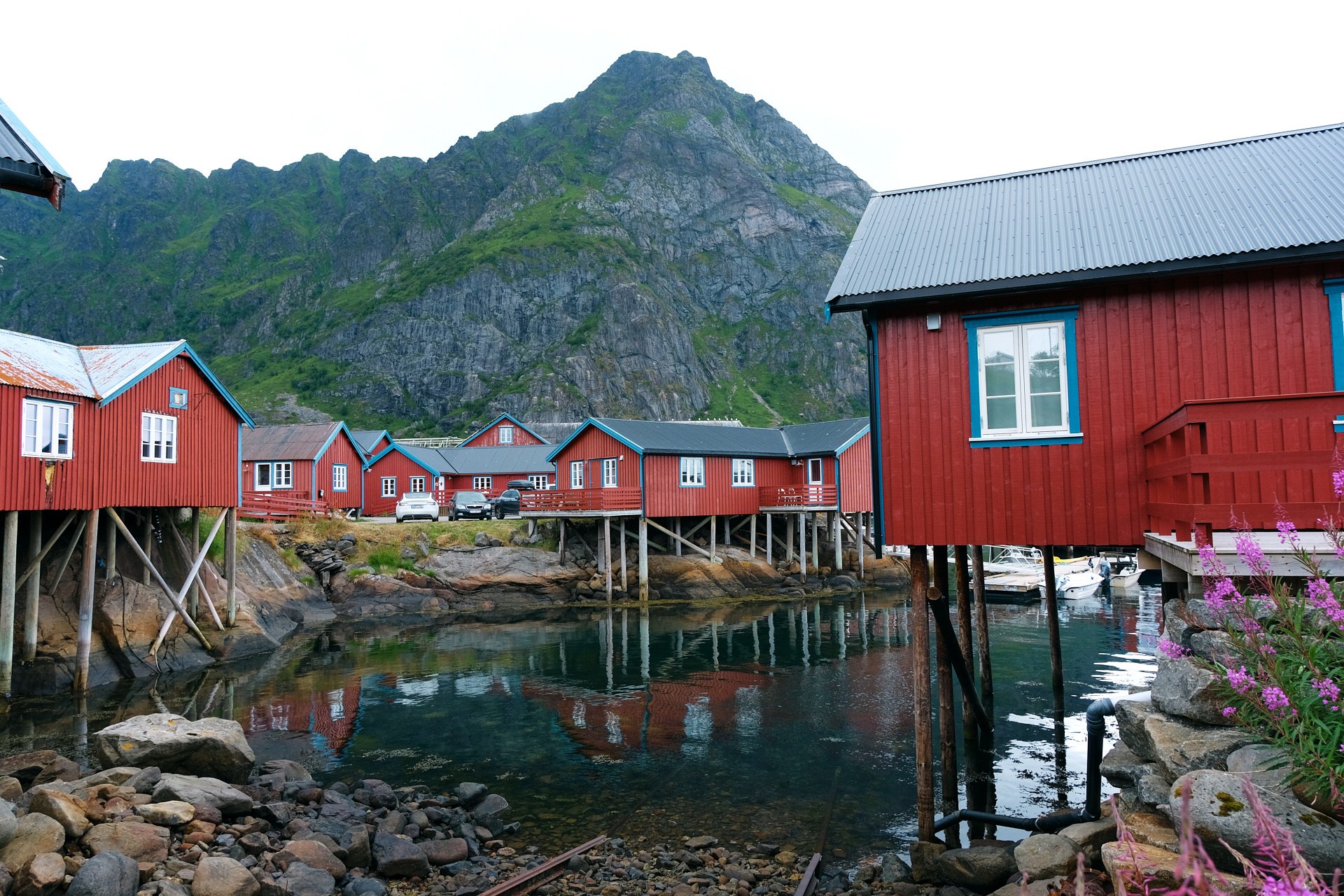
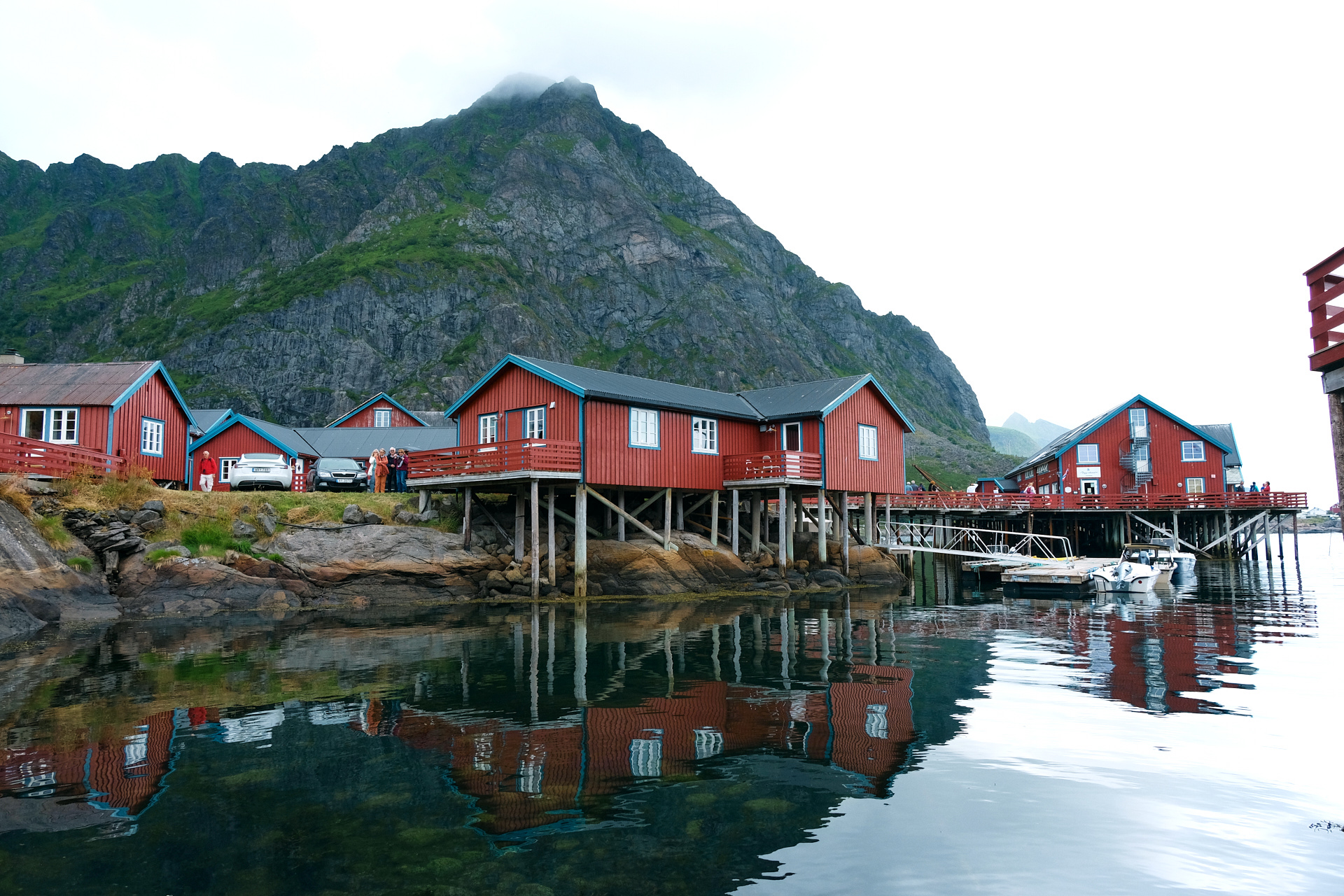
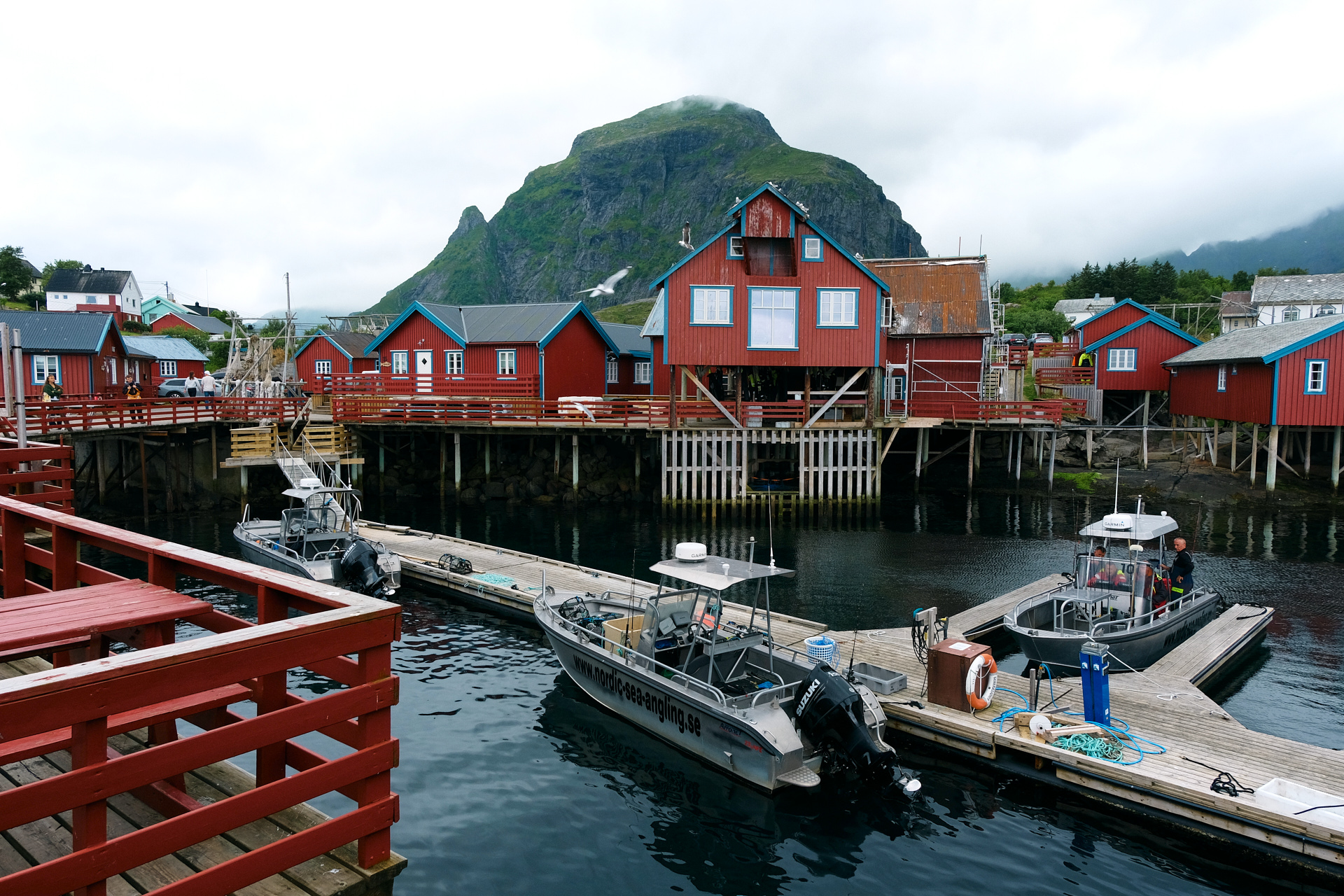
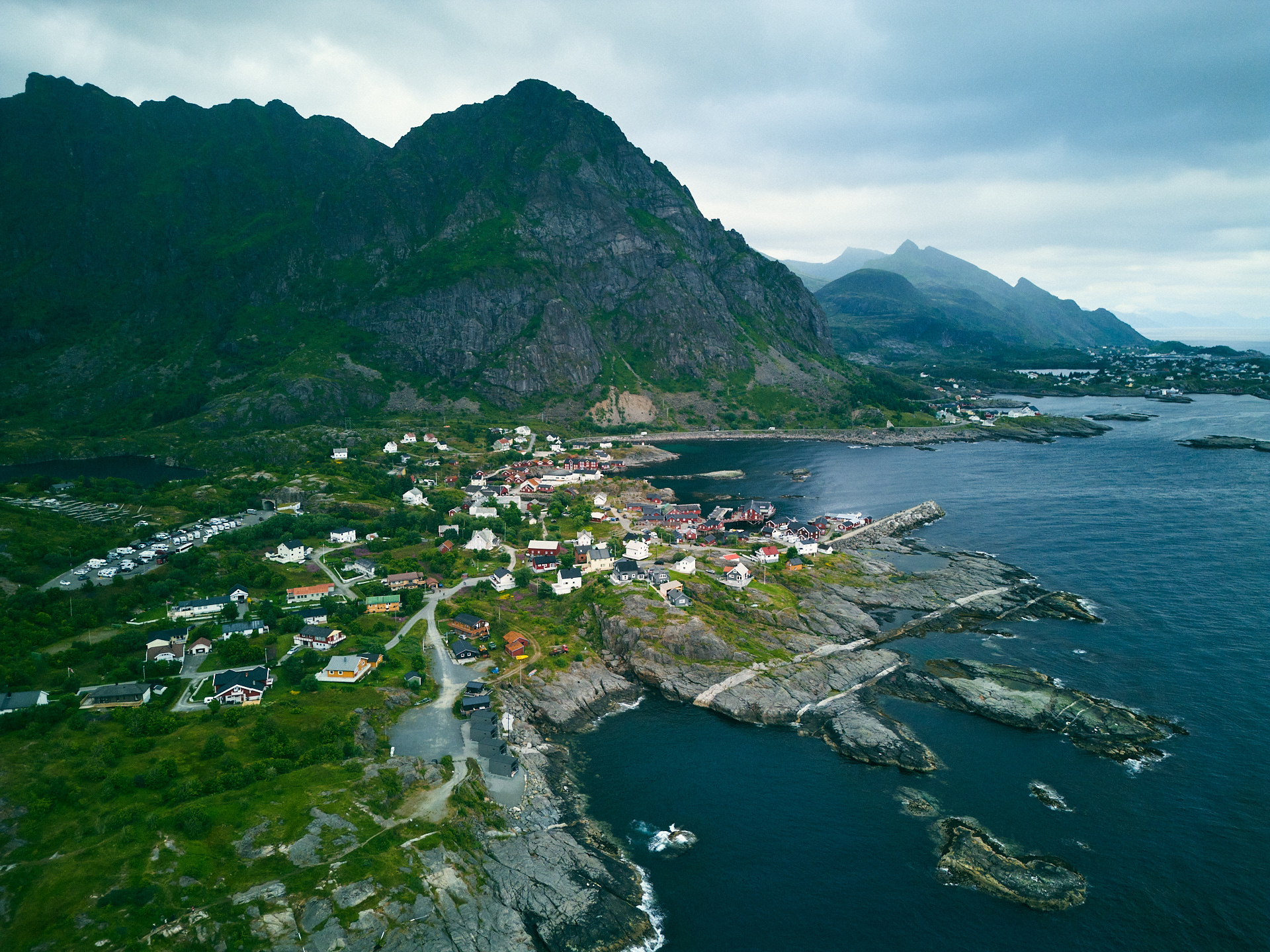
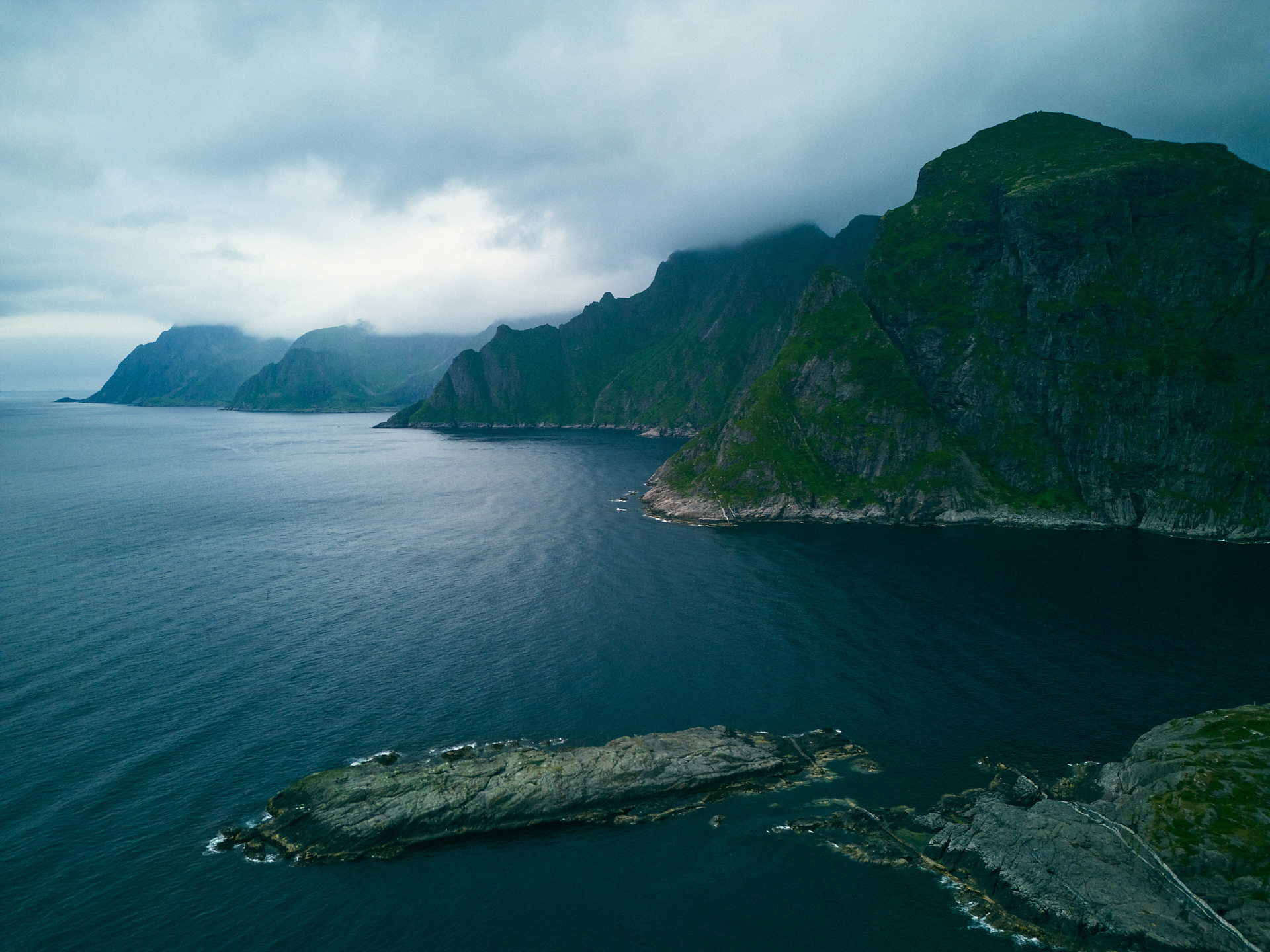
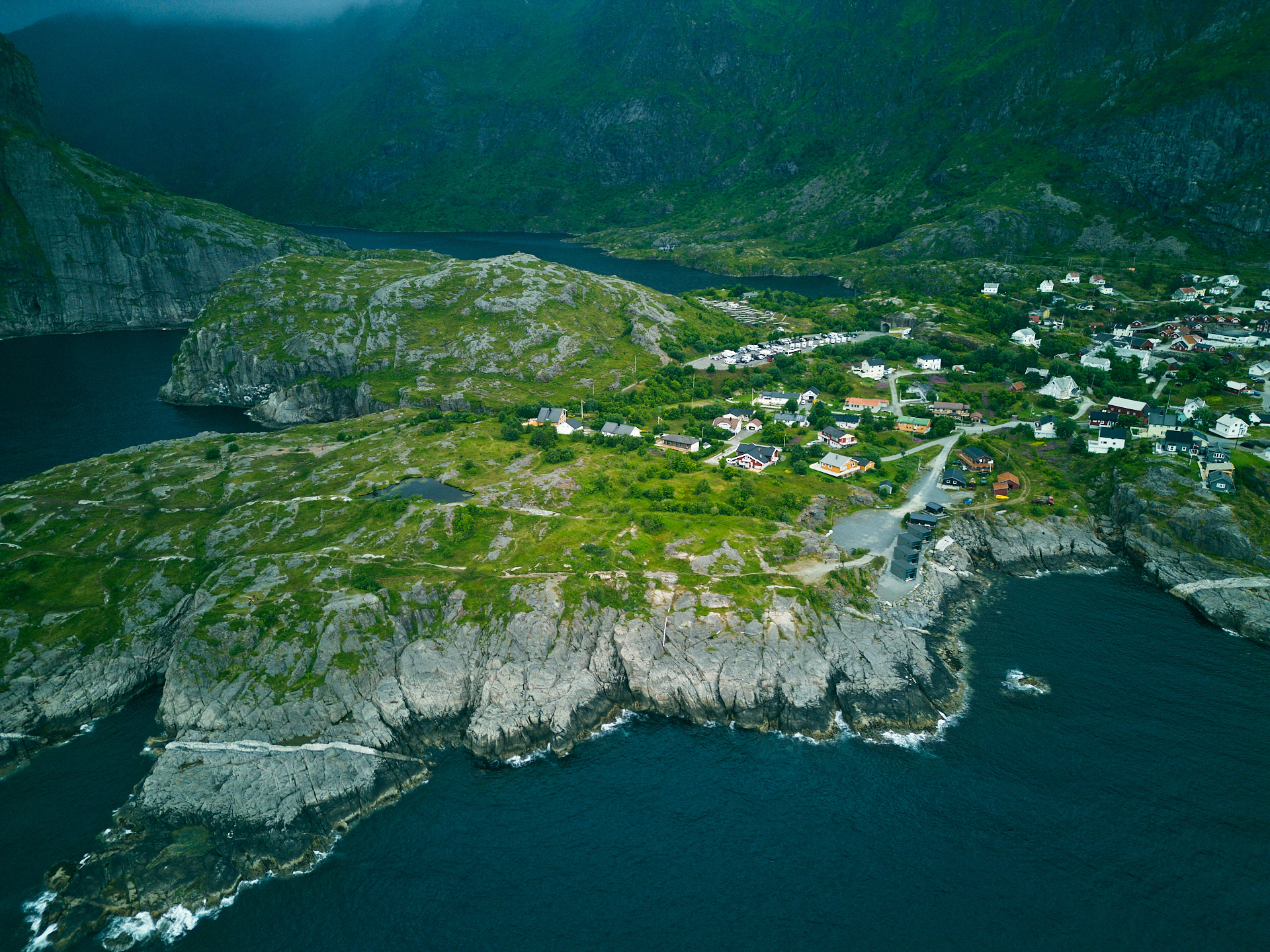
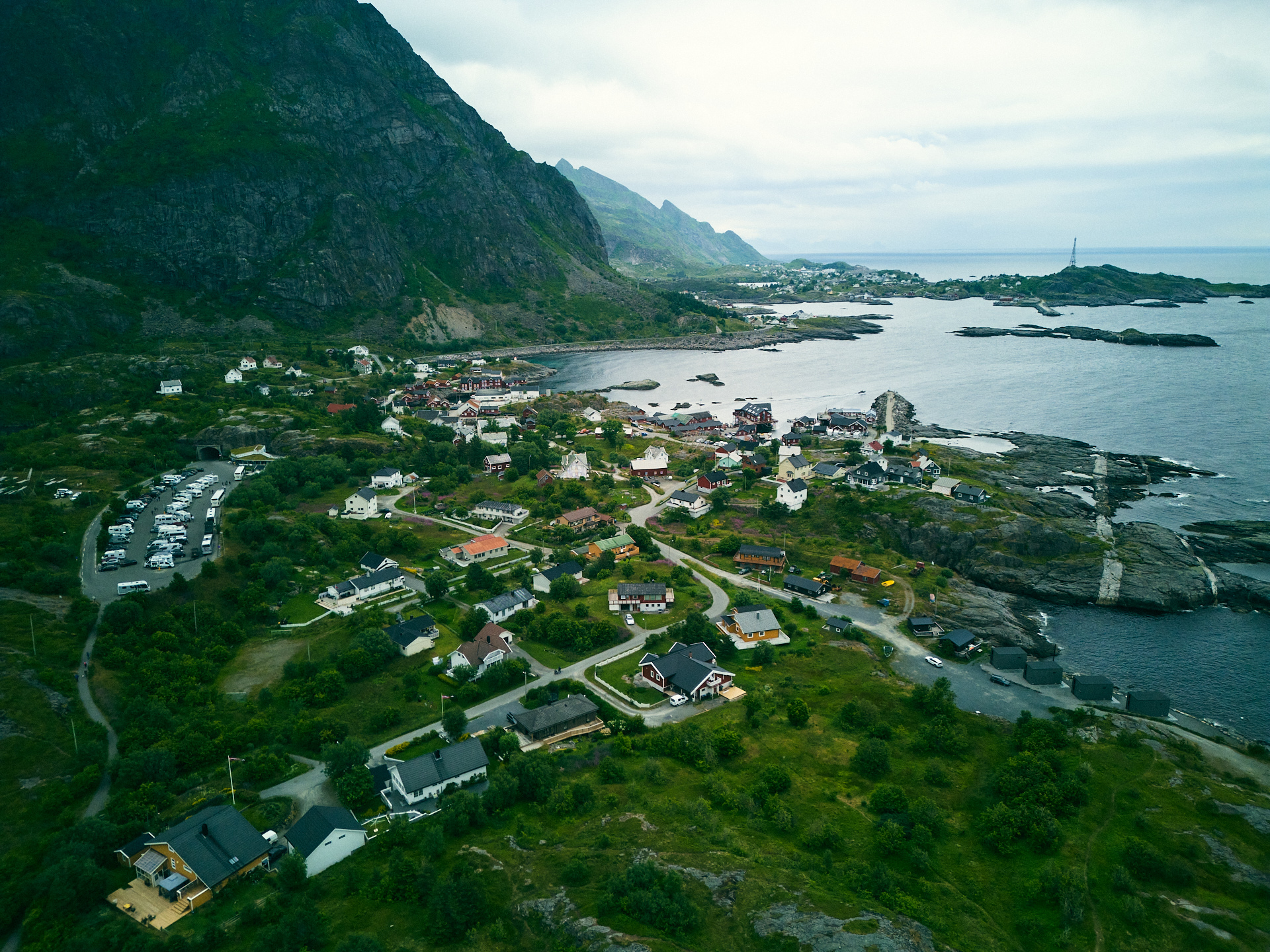
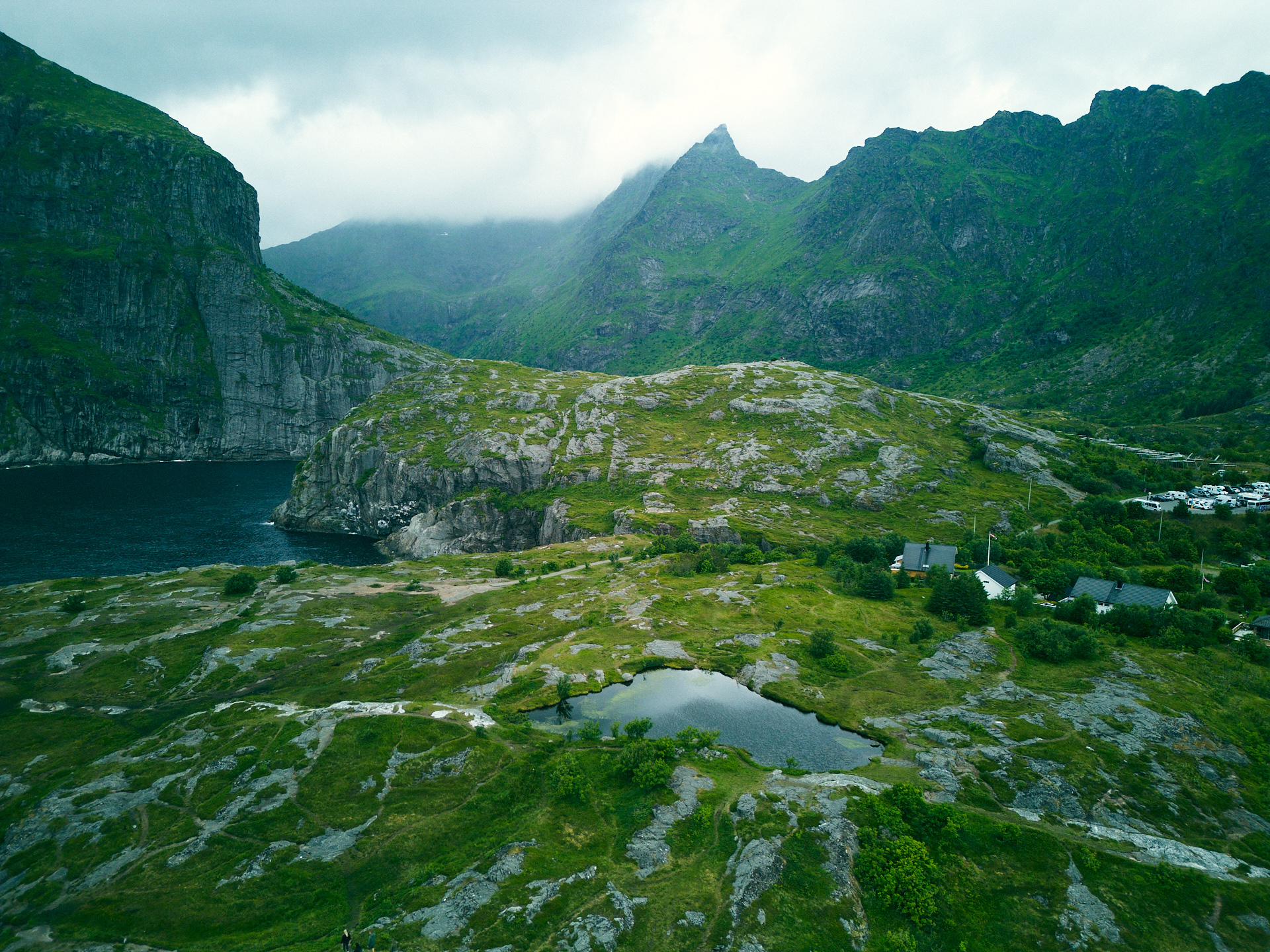
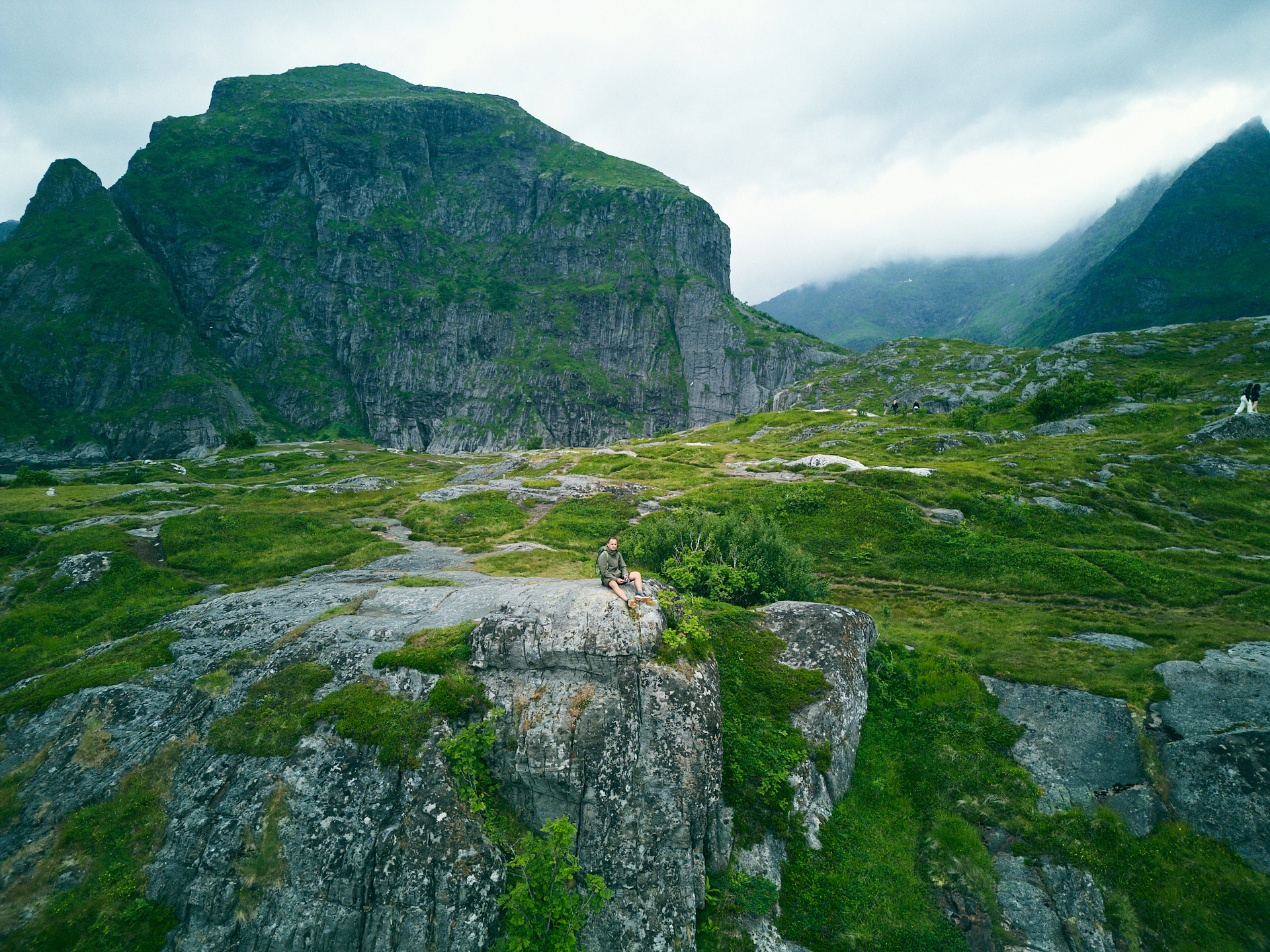
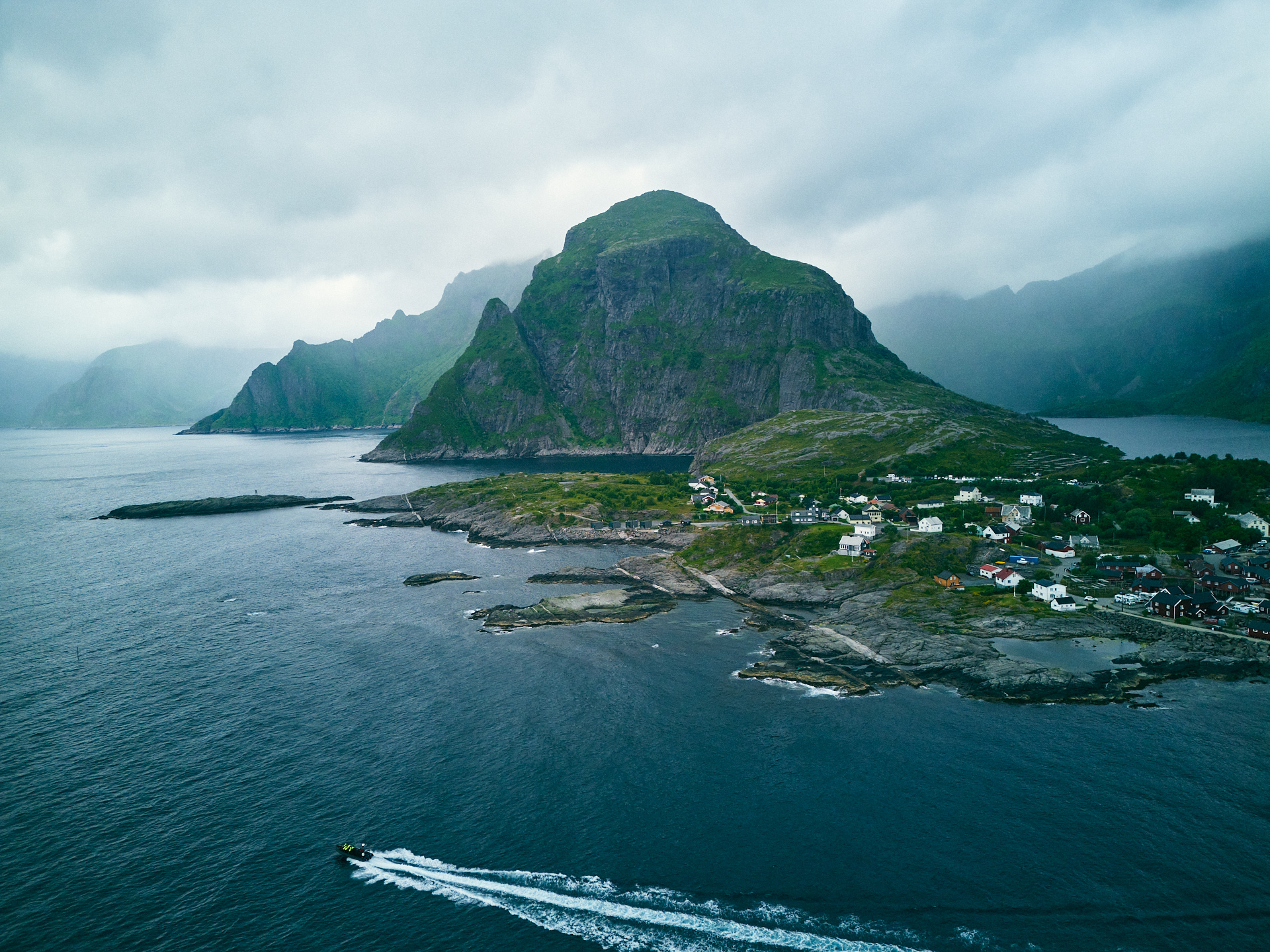
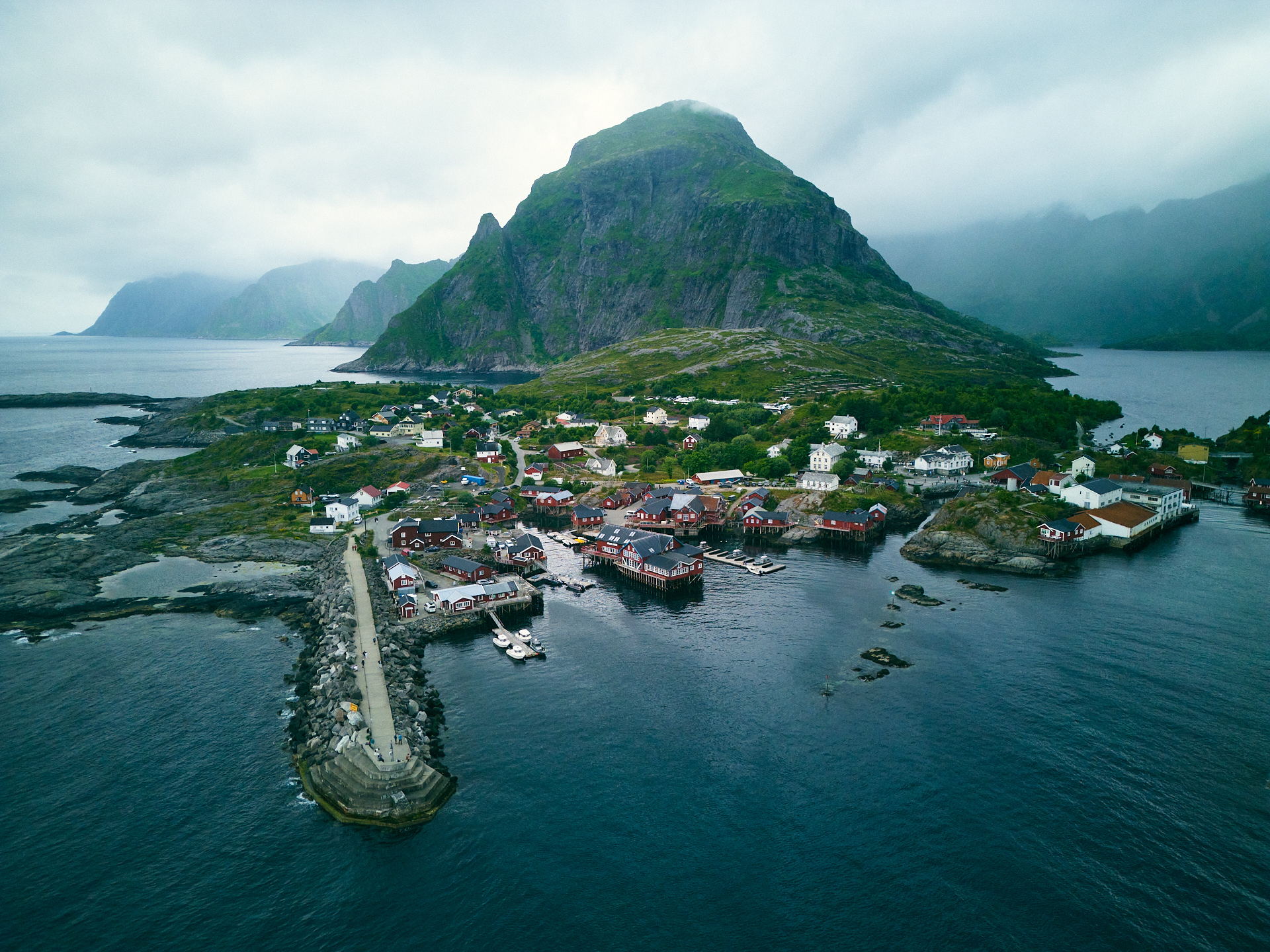
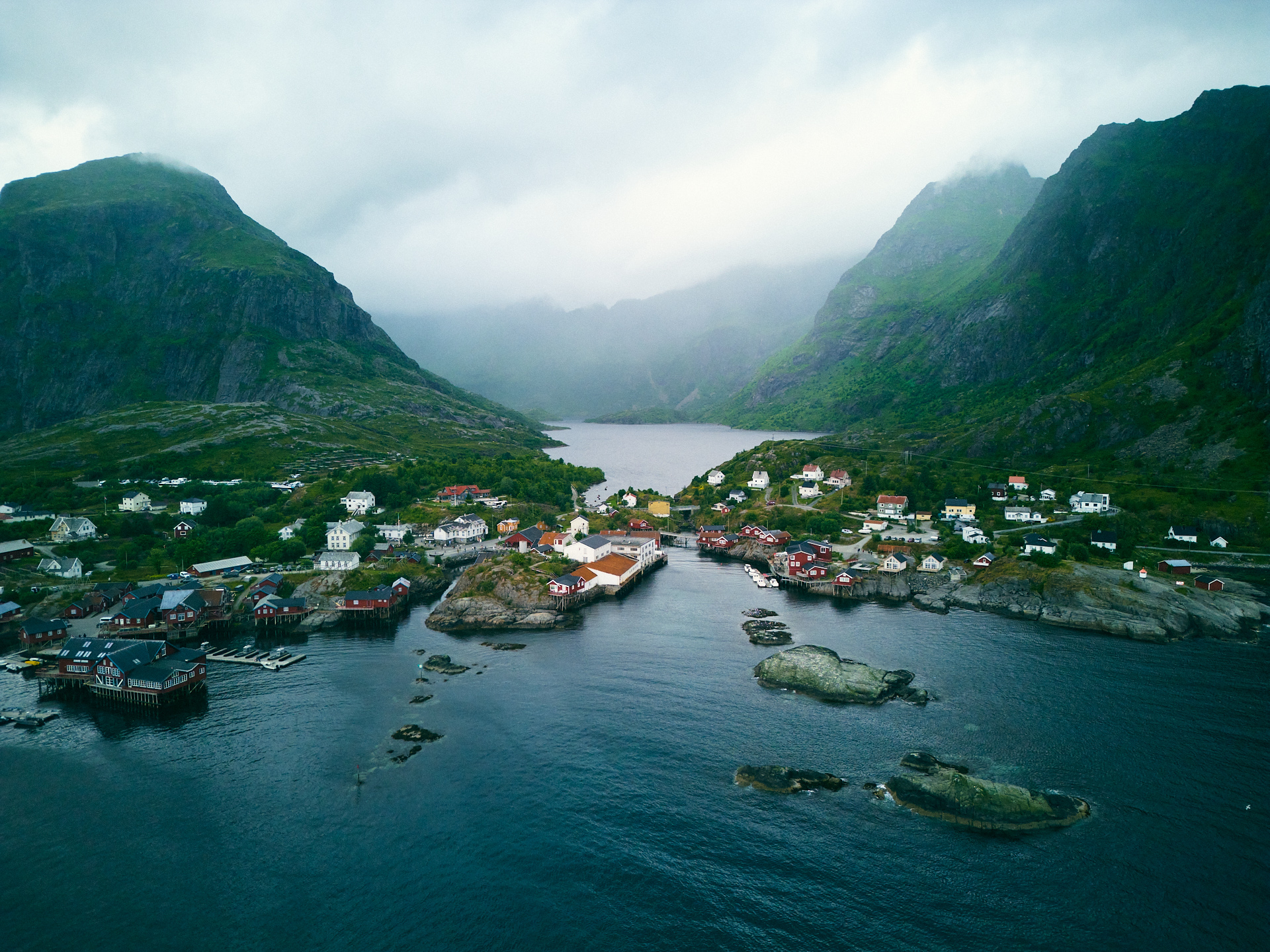
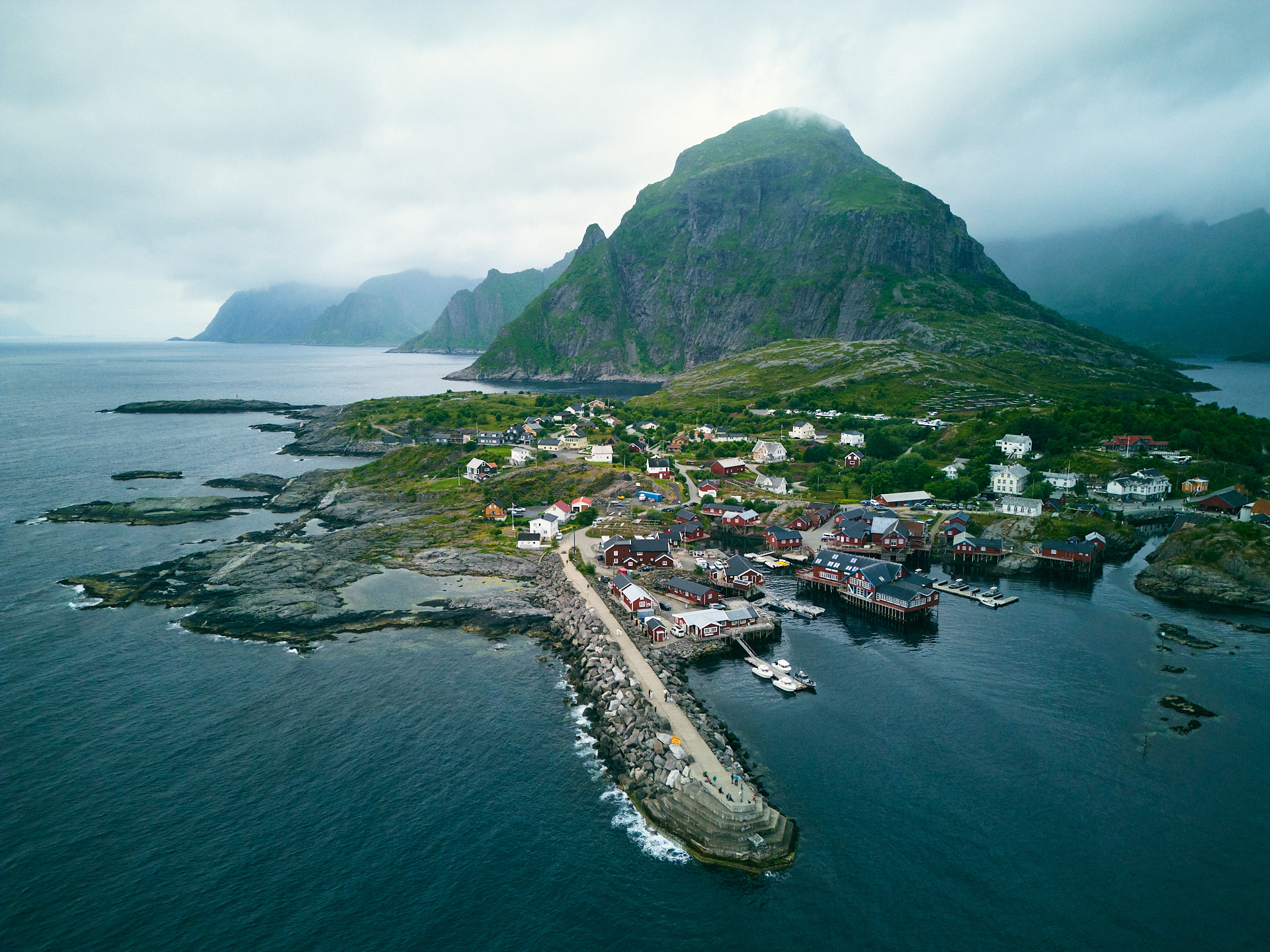
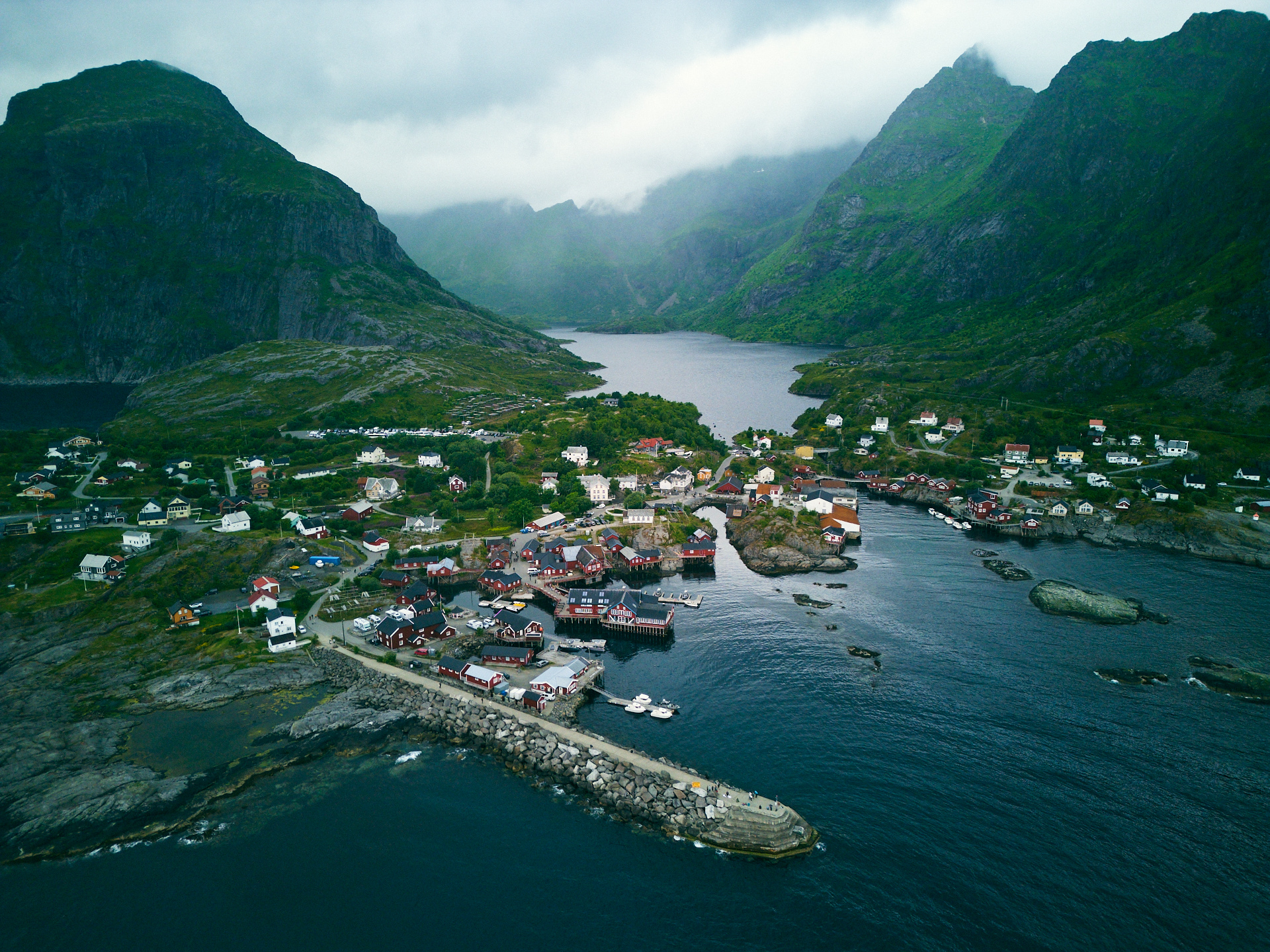
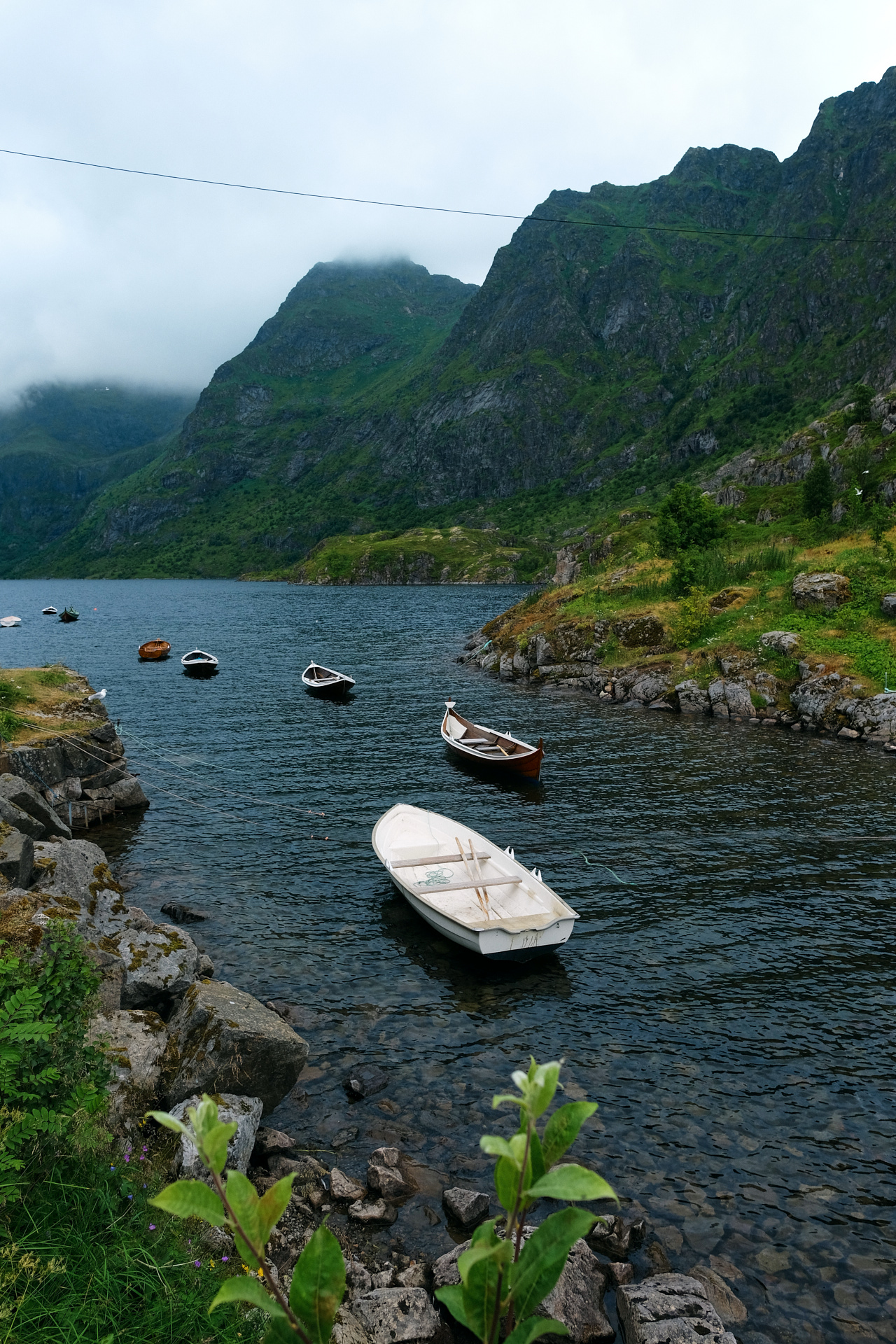
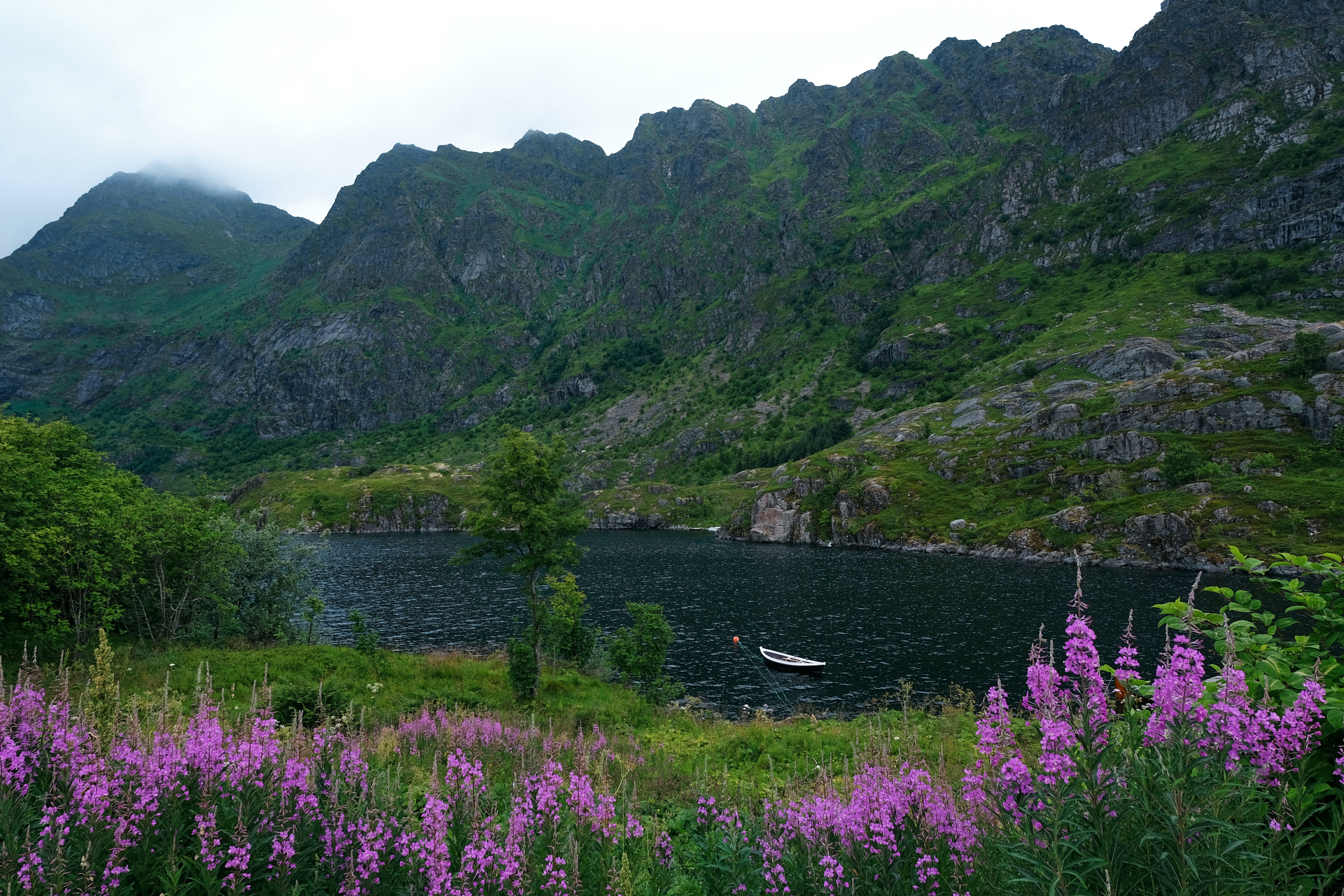
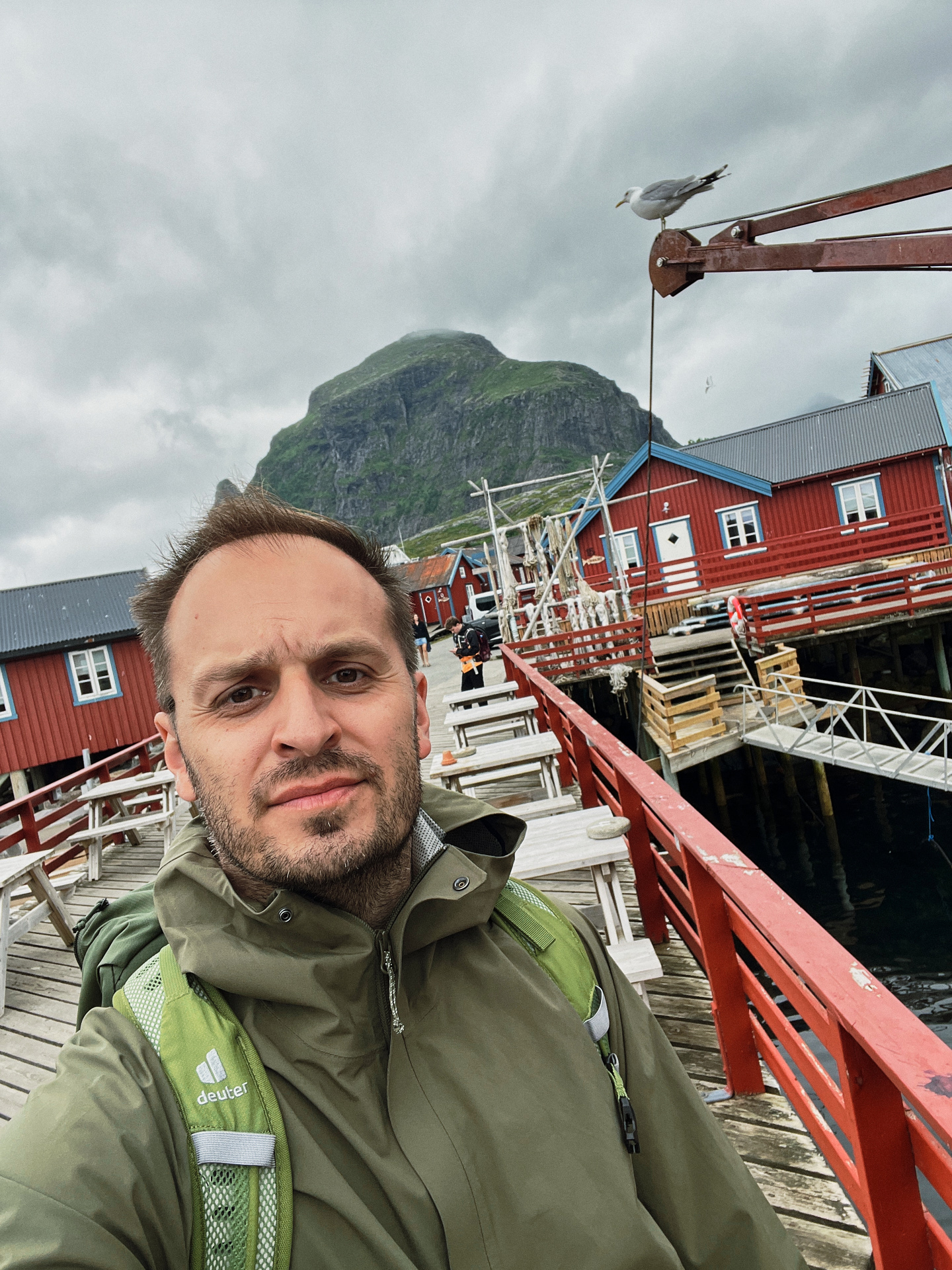
The last stop in Lofoten – and also the very last village at the end of the coastal road – is the picturesque settlement of Å. This traditional fishing village, which boasts the shortest possible name in the world, feels like the place where Lofoten truly ends and the sea takes over. Here, too, I couldn't resist spending a few minutes in the air with my drone; the views of the dramatic cliffs and the open sea are incredible.
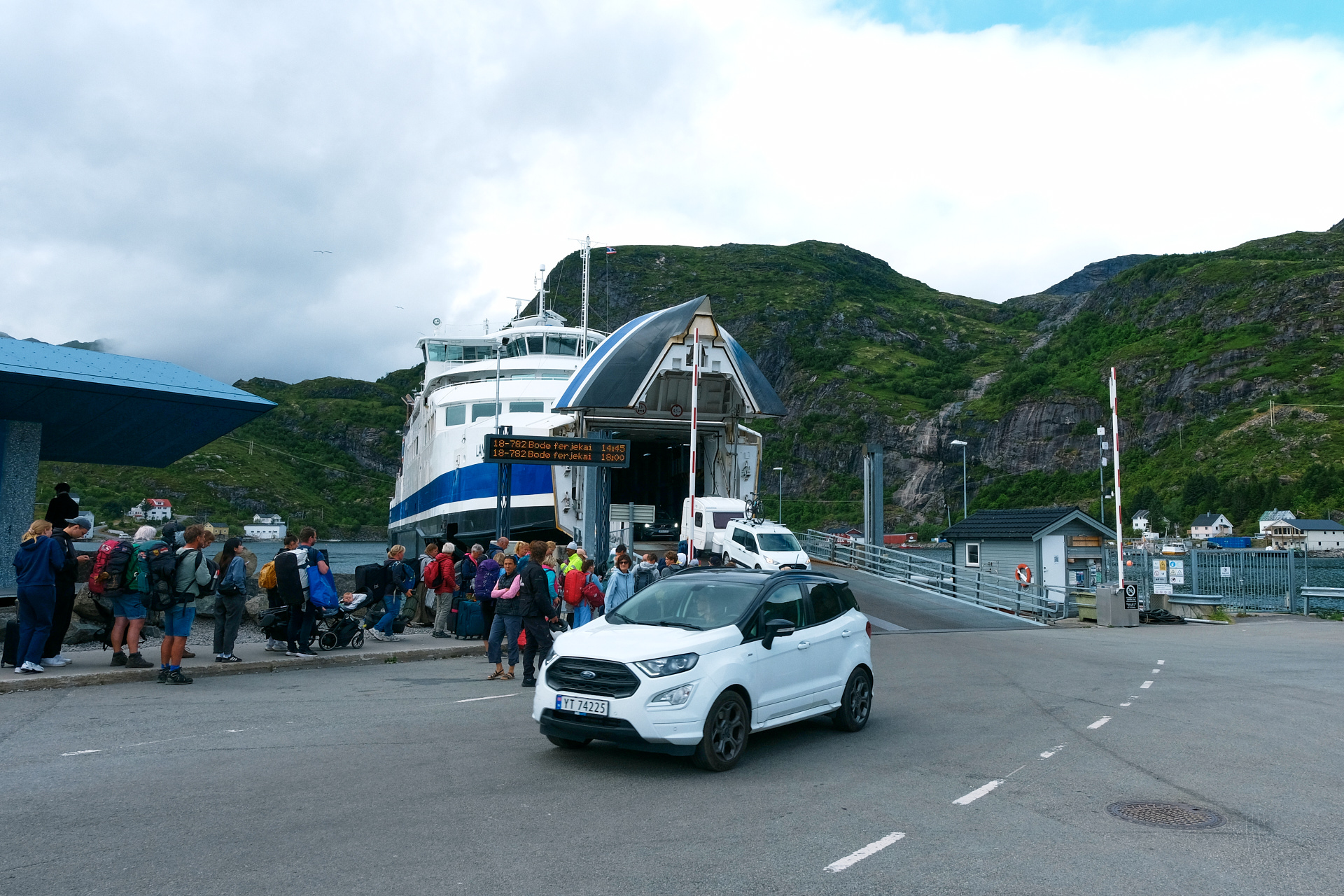
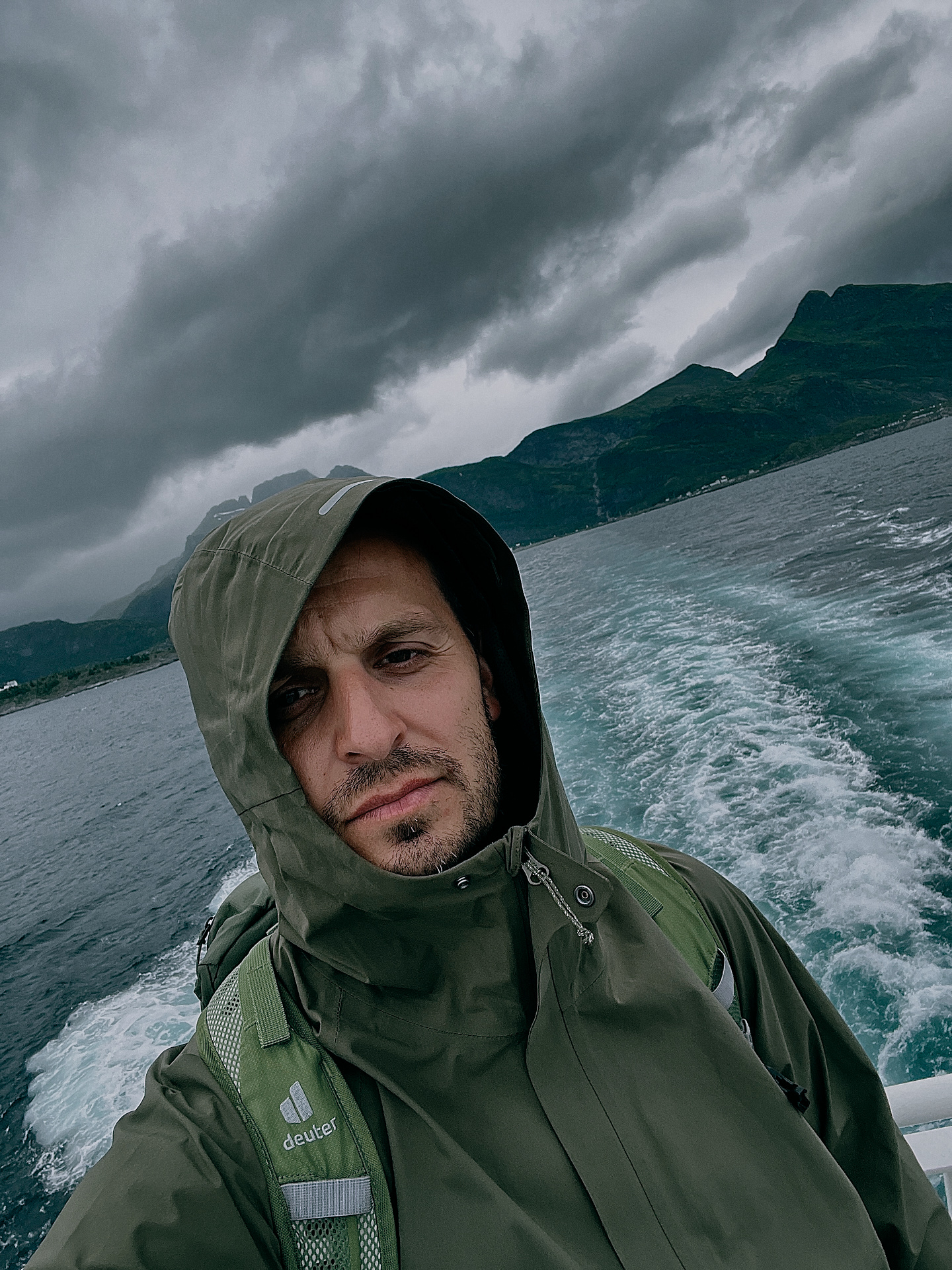
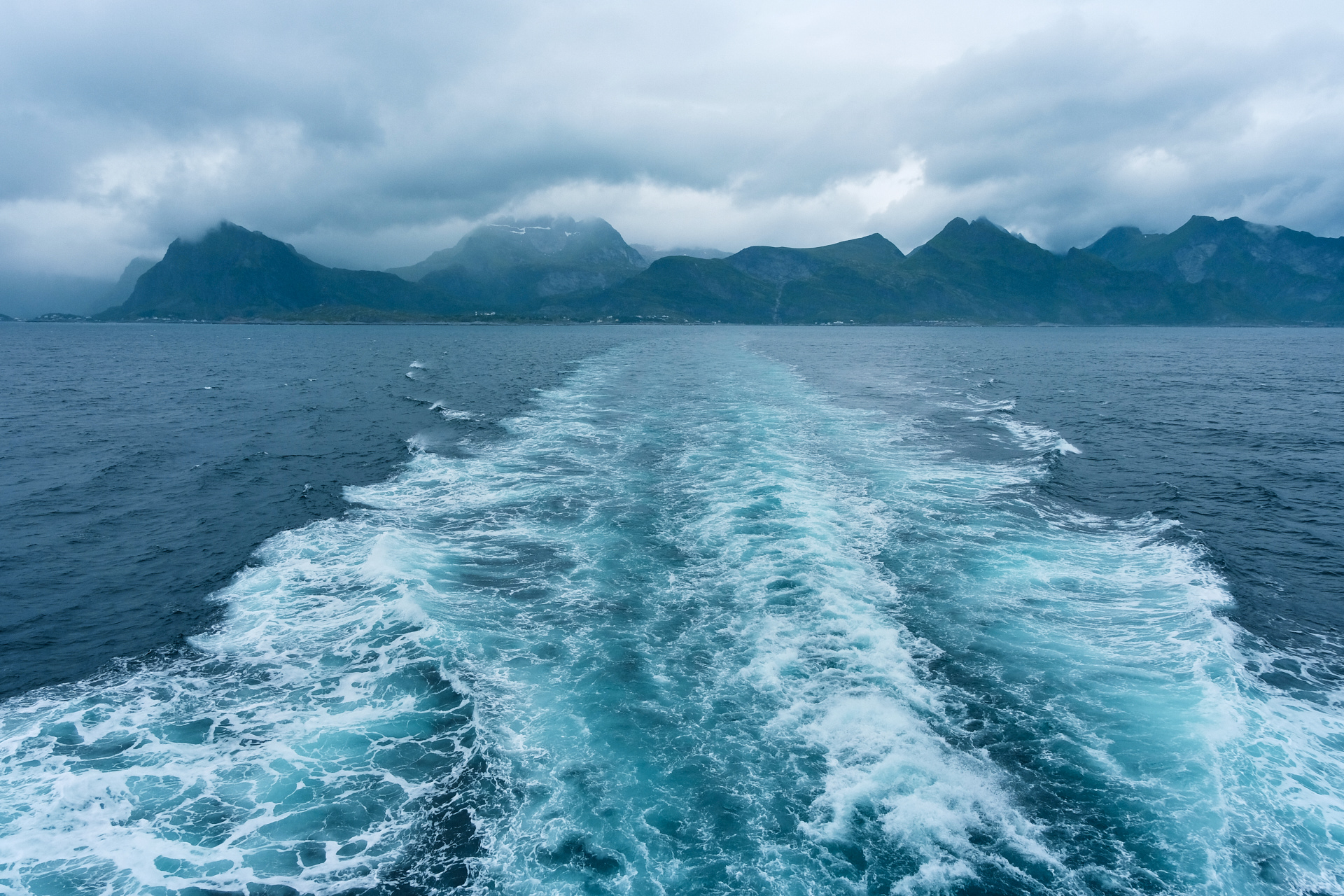
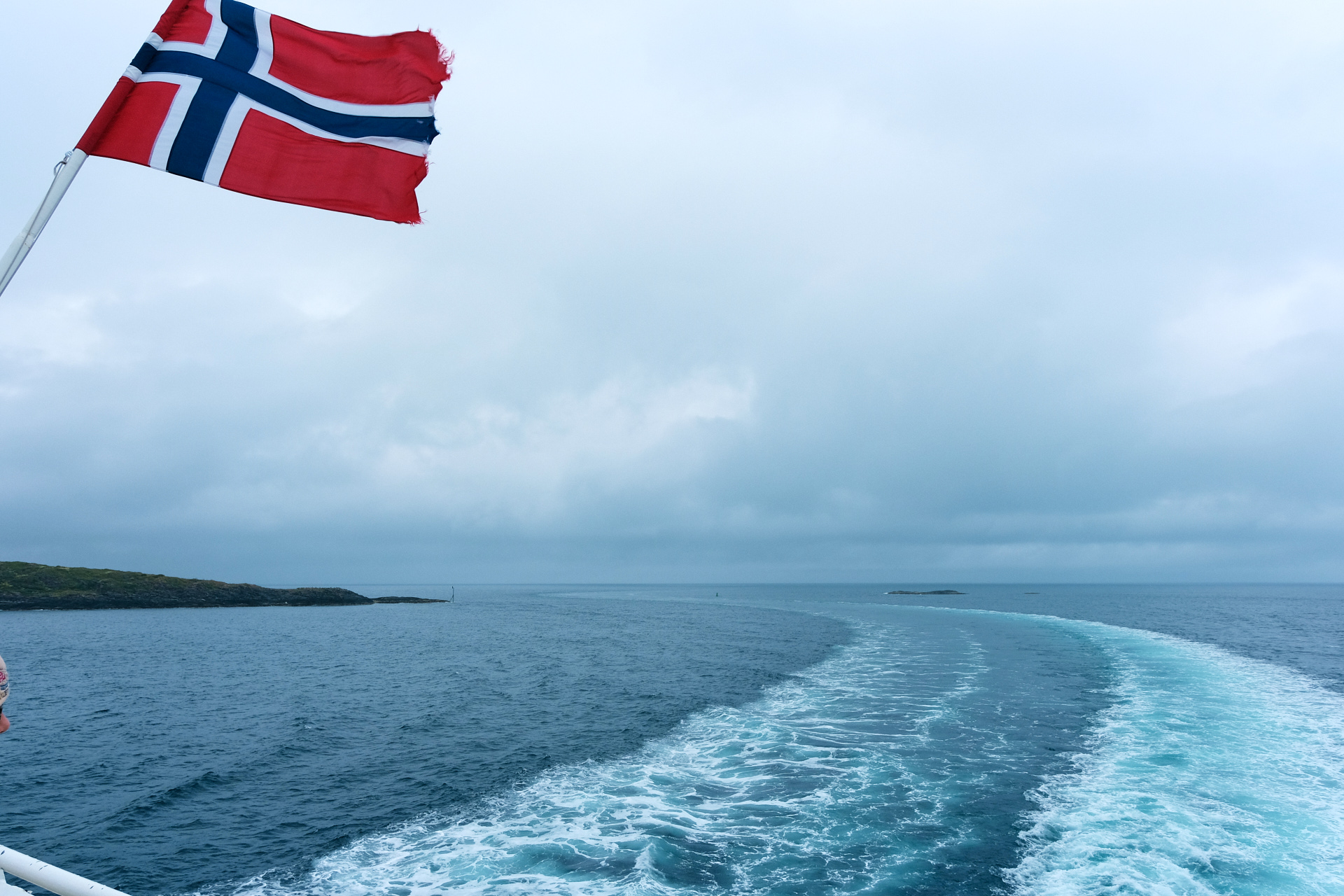
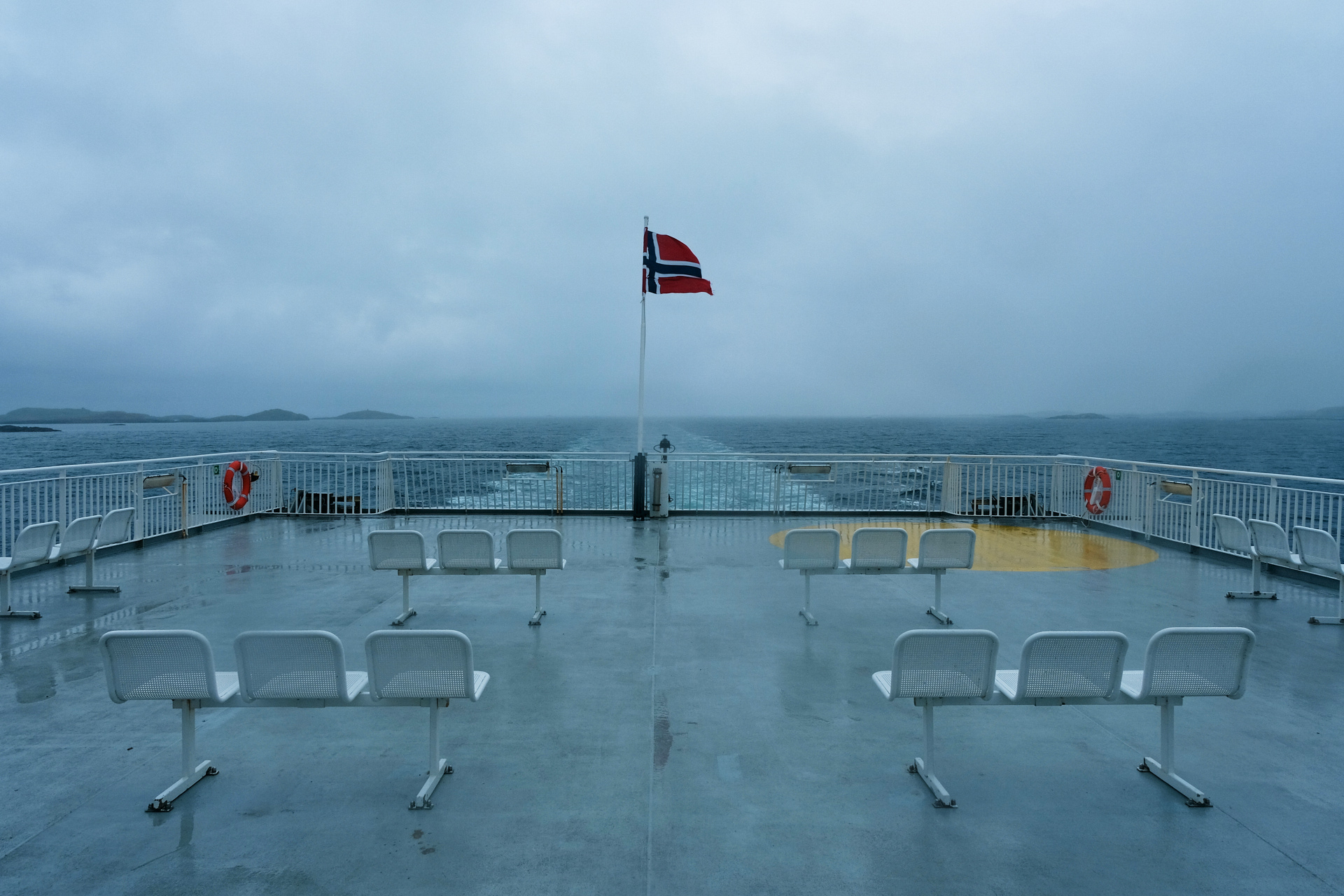
A few kilometers back on the route, we boarded the ferry to Bodø – and said goodbye to Lofoten. I don't think it will be the last time.